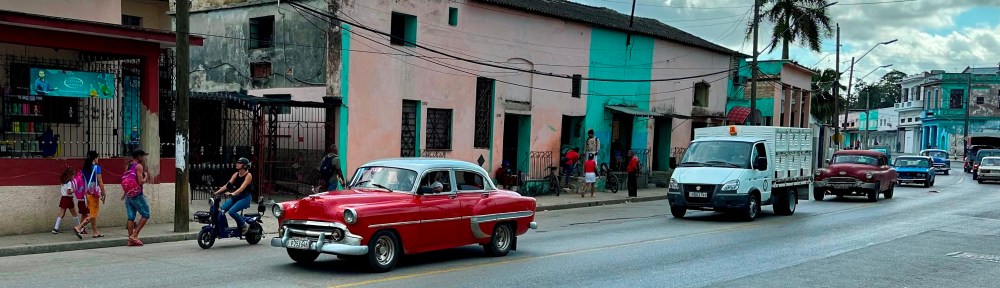

For years I have wanted to visit Cuba and this year I decided to go.
Though many Americans visit Cuba each year “illegally” I took a small group people-to-people tour that complies with the requirements of the OFAC (Office of Foreign Assets Control) general license. This meant, among other things, we were required to have a “full-time schedule of activities that are intended to enhance contact with the Cuban people, support civil society in Cuba, or promote the Cuban people’s independence from Cuban authorities; and will result in meaningful interactions with individuals in Cuba.” Additionally there are restrictions with staying in certain hotels or dining in government-owned restaurants.
Visiting Cuba does have its challenges. Since no US cell carriers include Cuba in their international plans we had to rely on Wi-Fi in the hotel. Though the routers were quirky and you had to re-login often the speed was remarkably quite good. Due to U.S. sanctions, no credit/debit cards issued by U.S. banks are accepted. This meant bringing lots of cash in small denomination bills. Fortunately our tour included all meals which made things much simpler.
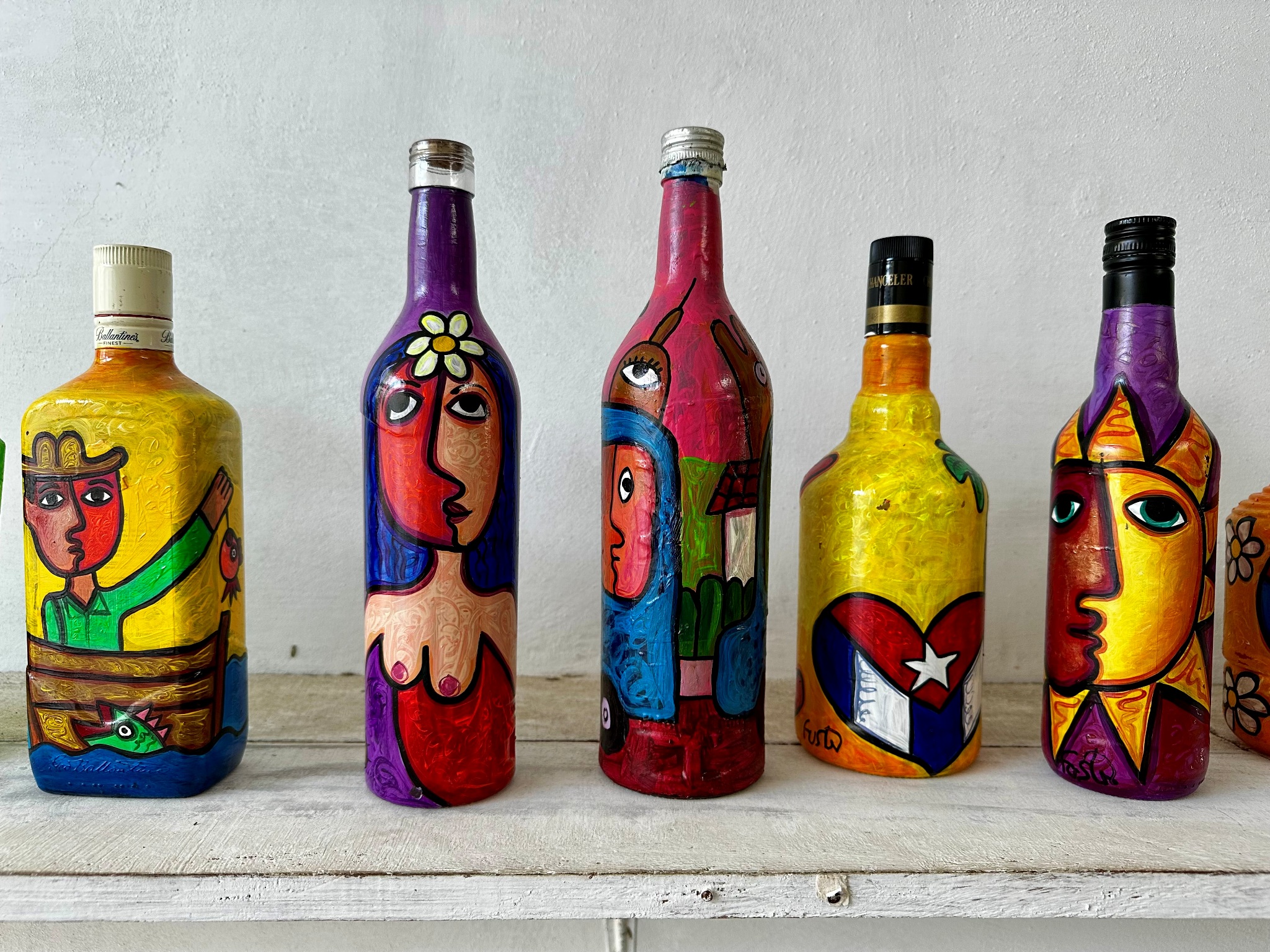
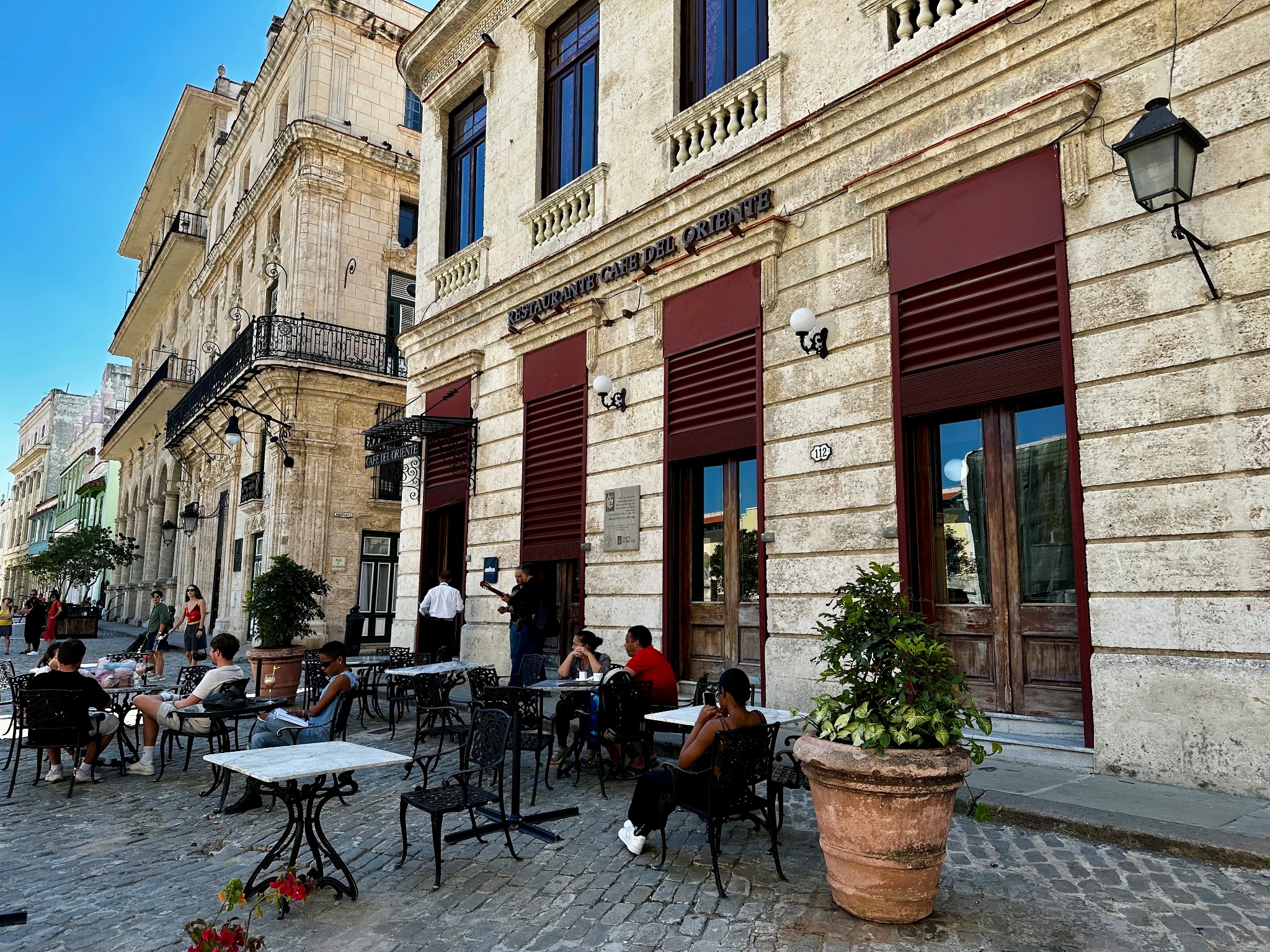
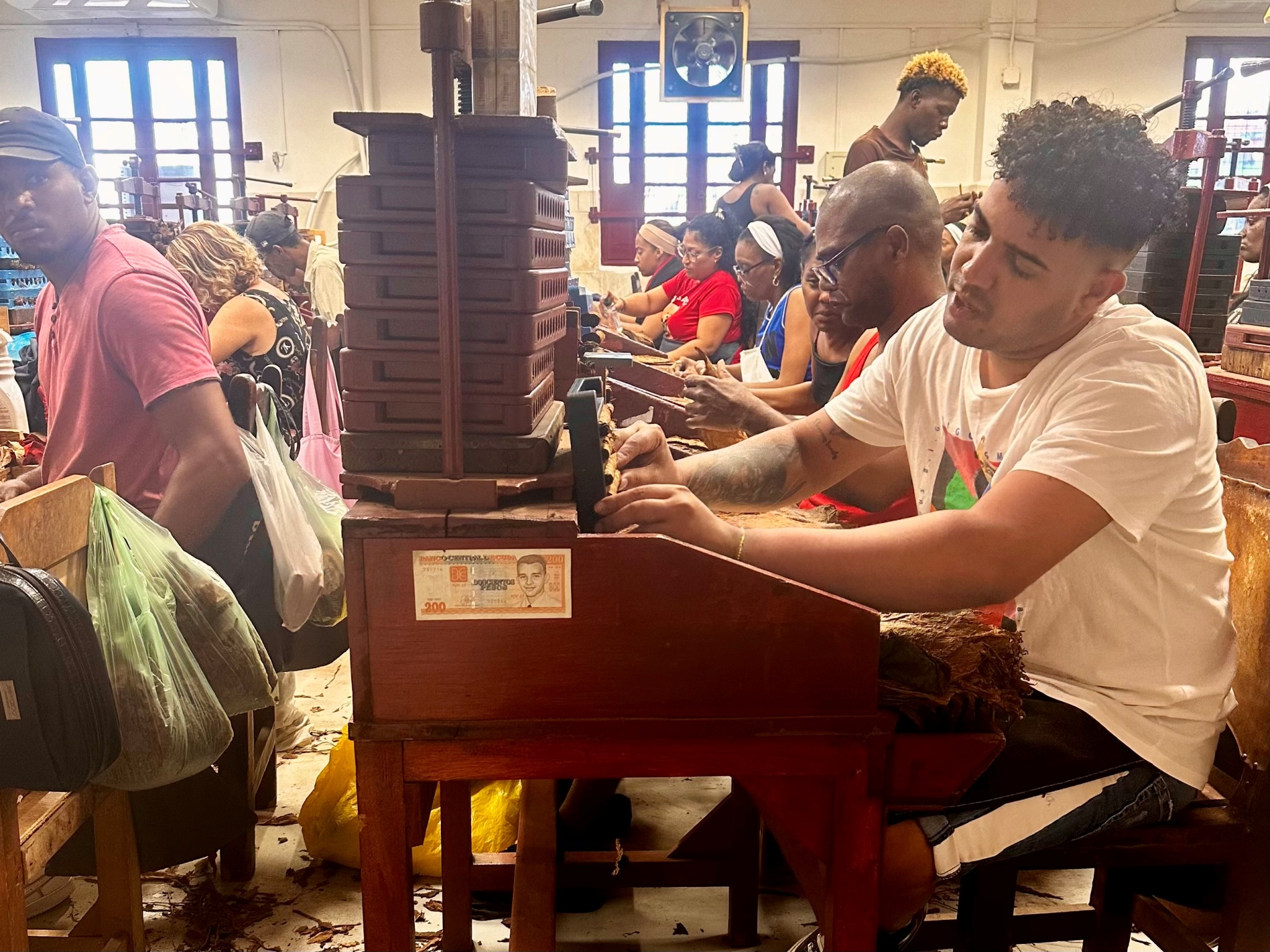
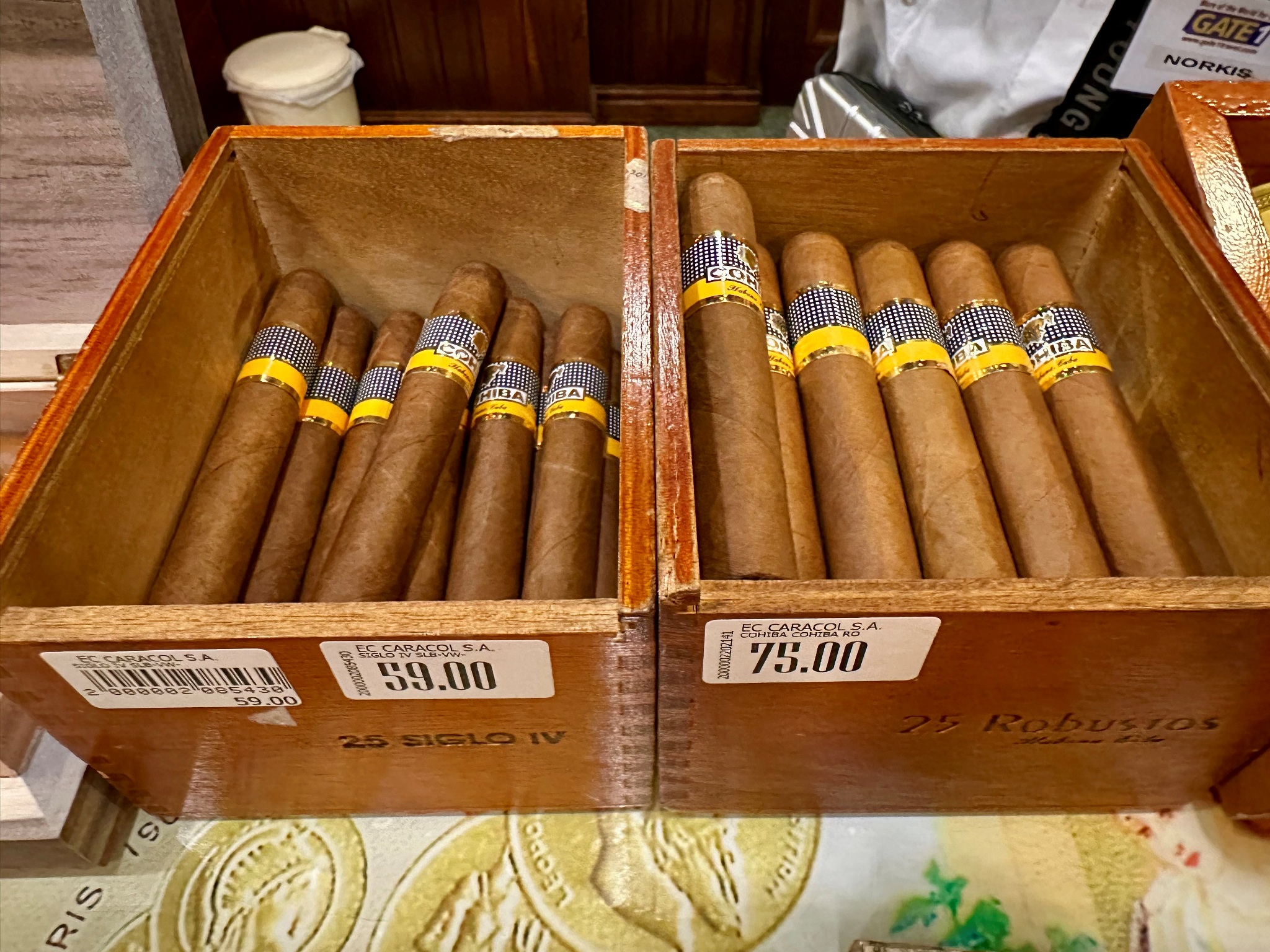
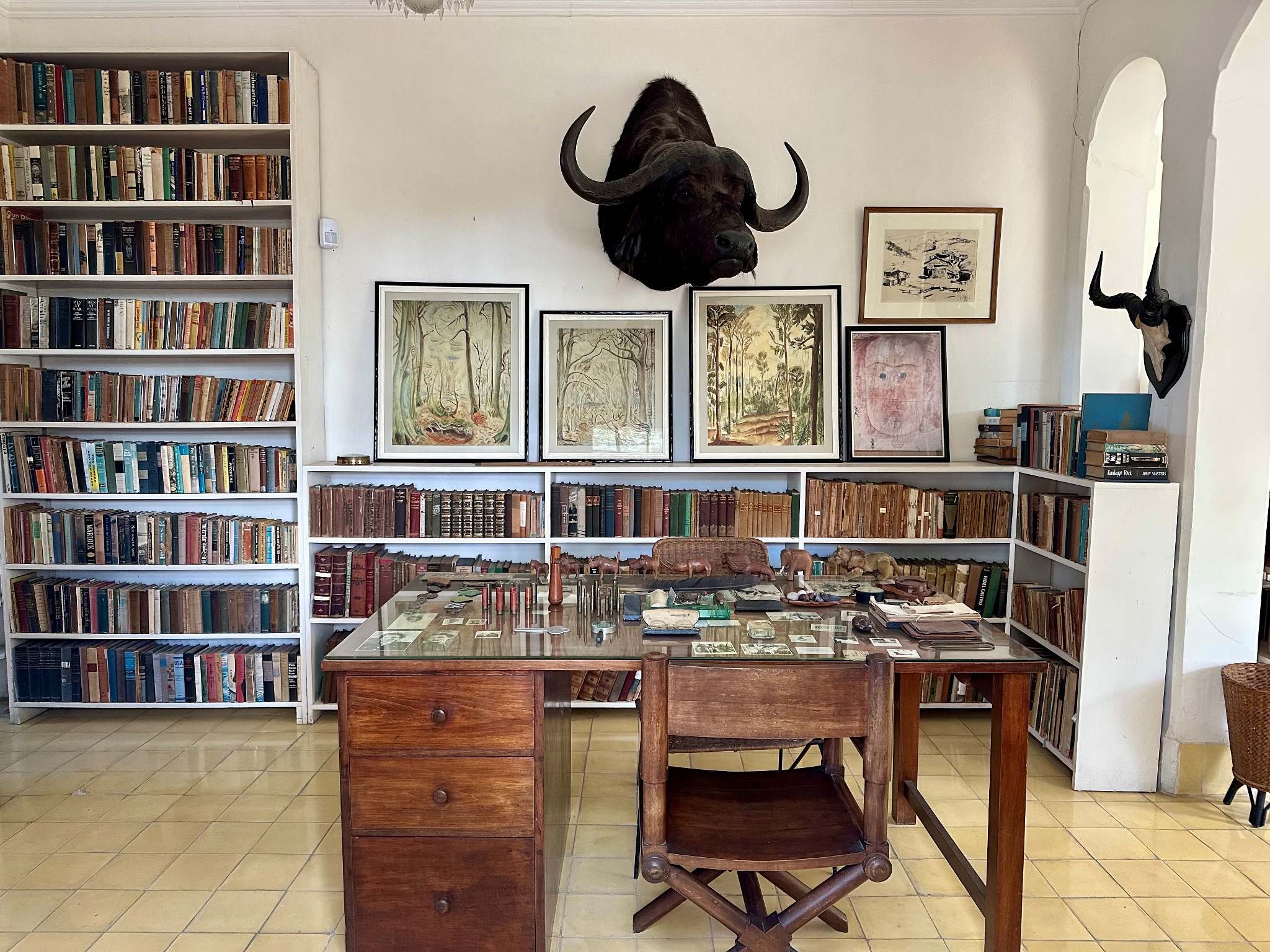
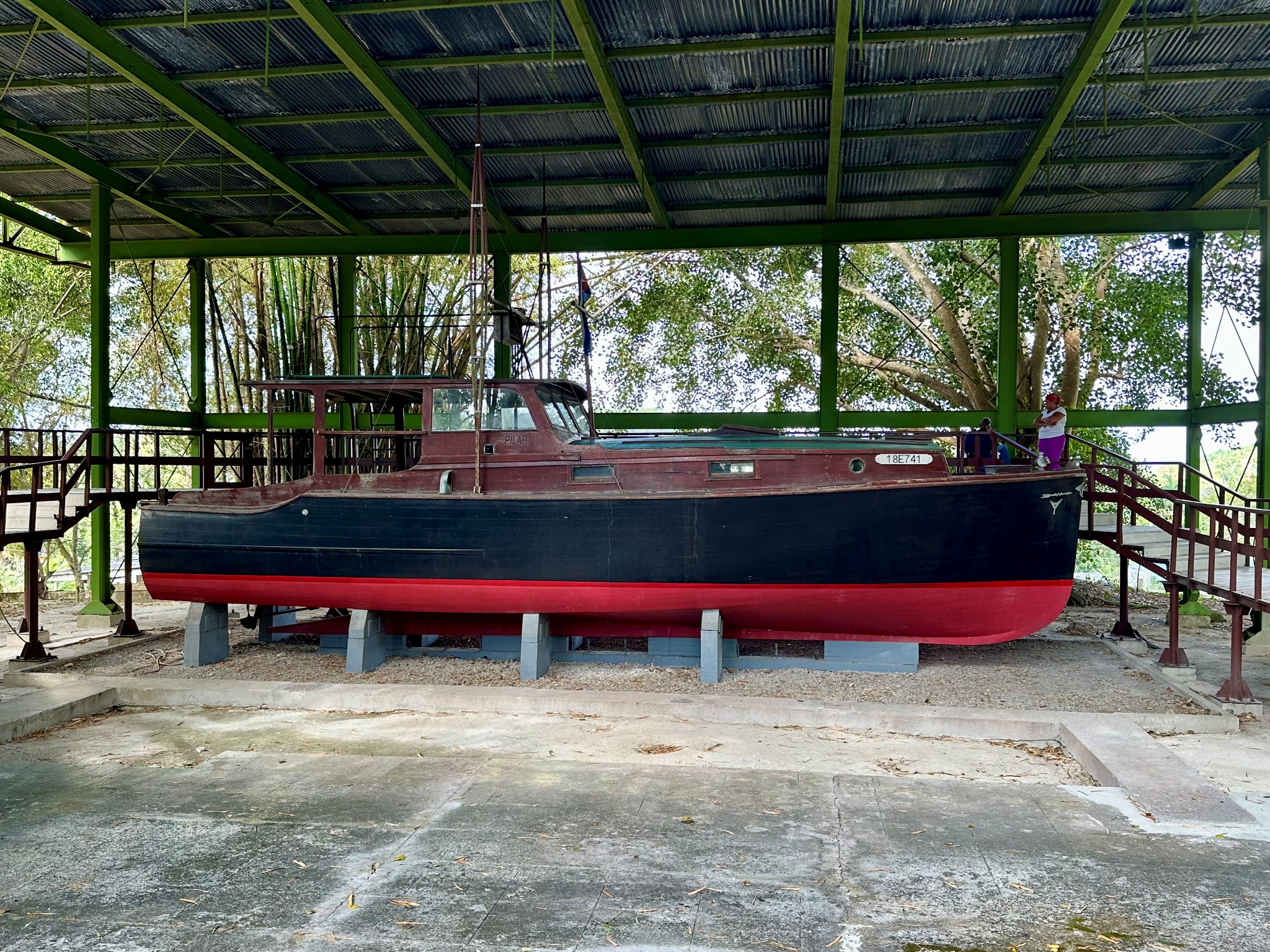
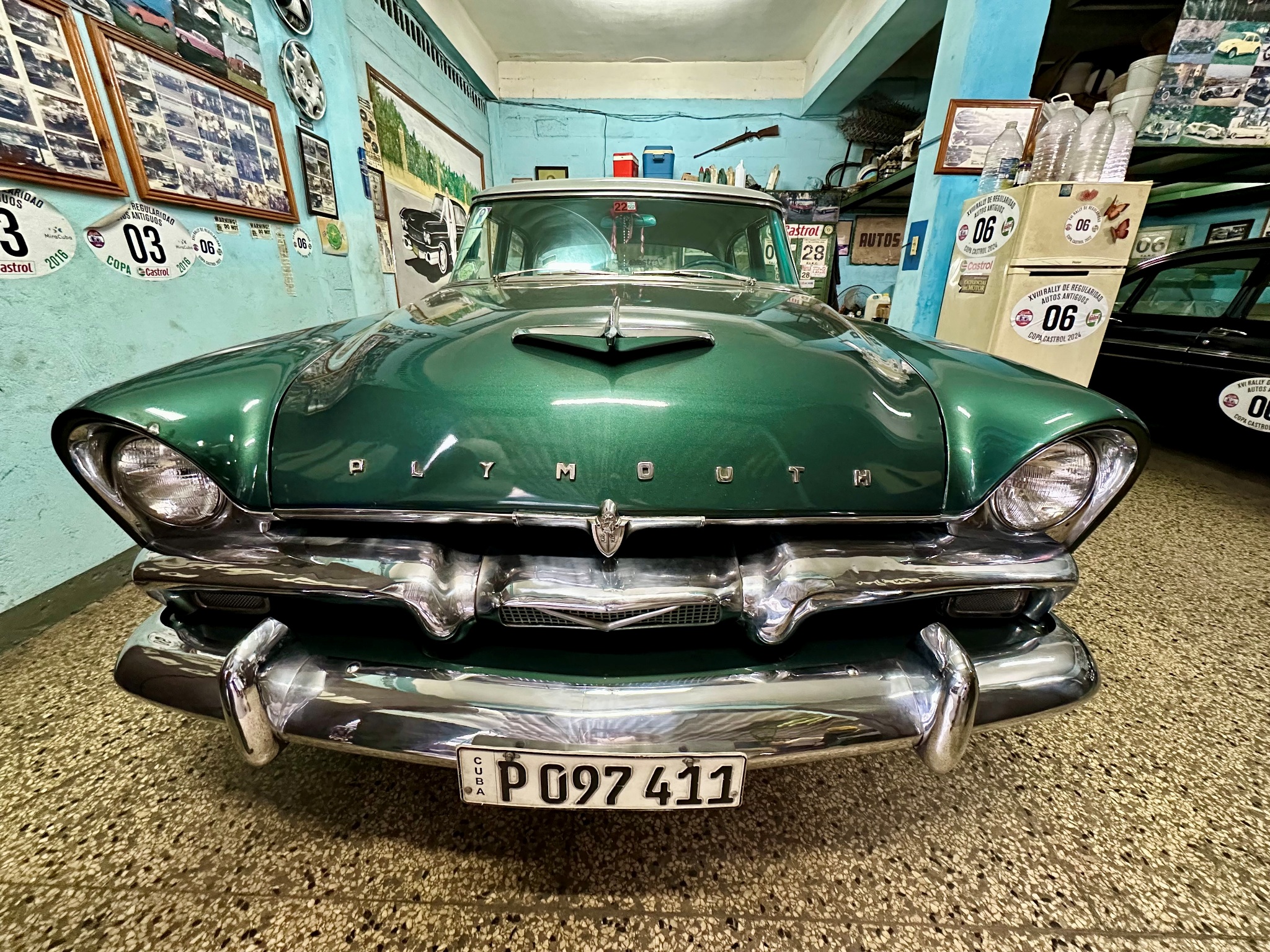
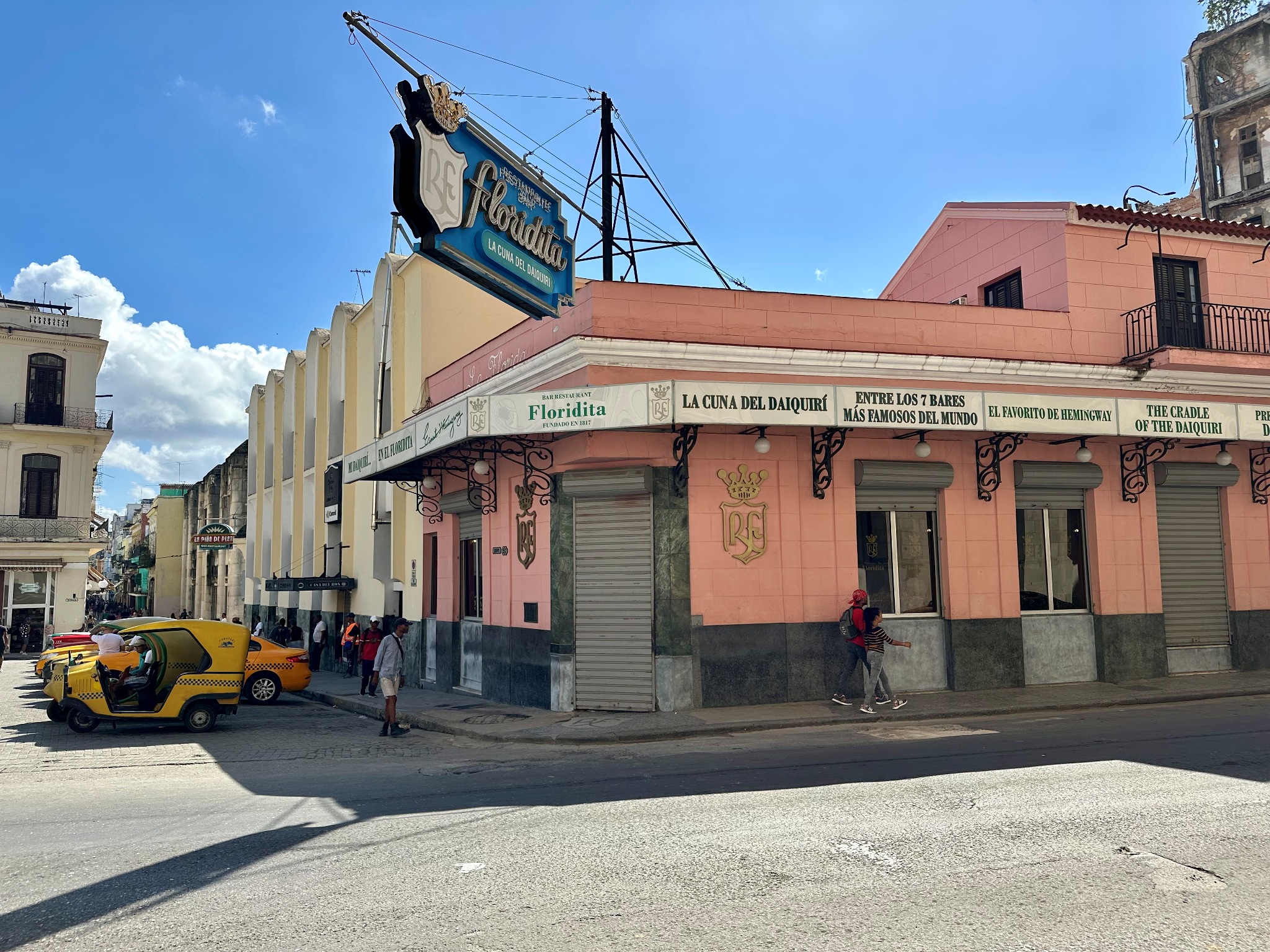
We began our visit with three nights in Havana. There we visited a local artist, had a salsa lesson with locals, toured Old Havana, toured a hand-rolled cigar factory, visited the home of Ernest Hemingway when he lived in Cuba, had a private performance at Havana Compass Dance and visited the garage of the president of classic car club A Lo Cubano.


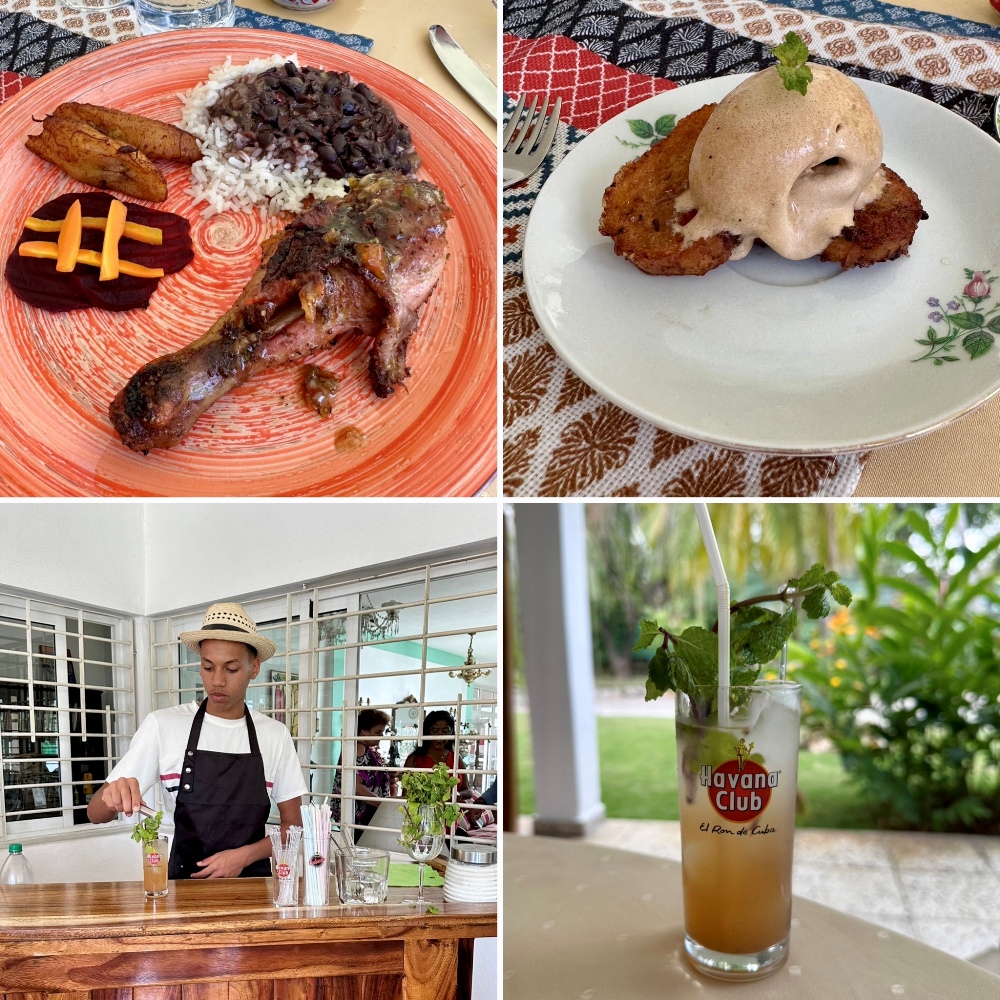
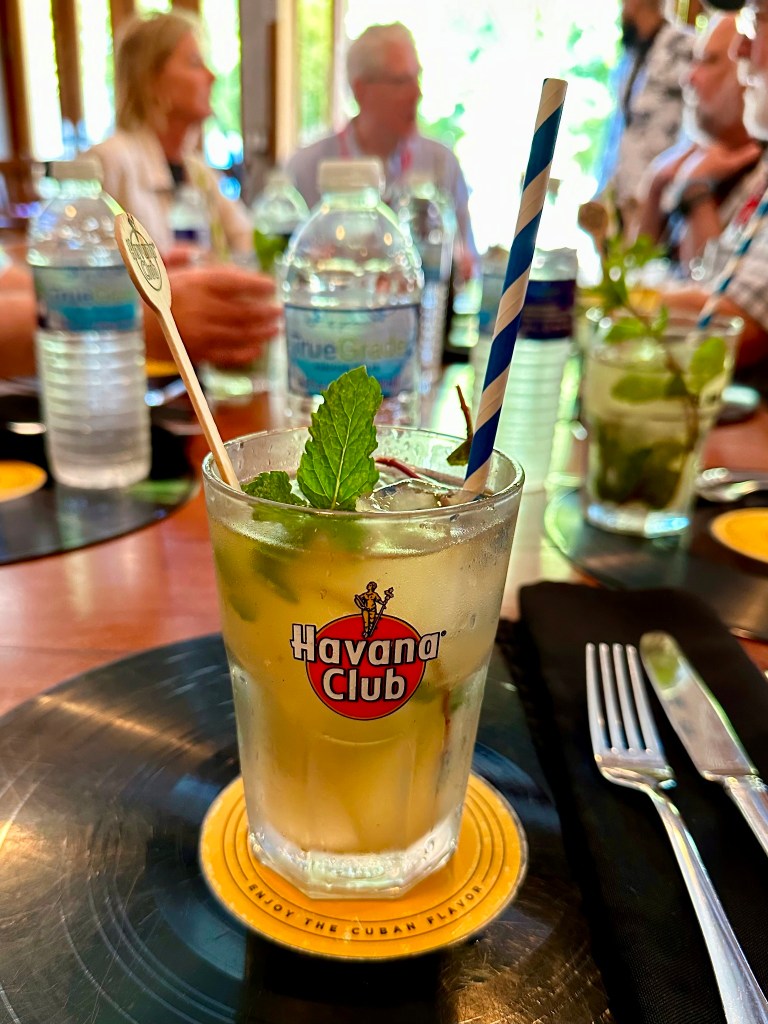
One of our lunches in Havana was at a woman’s private home. Years ago she worked for a time as a translator for Fidel Castro. She had a beautiful home and served a delicious lunch followed by a mojito making/tasting lesson.

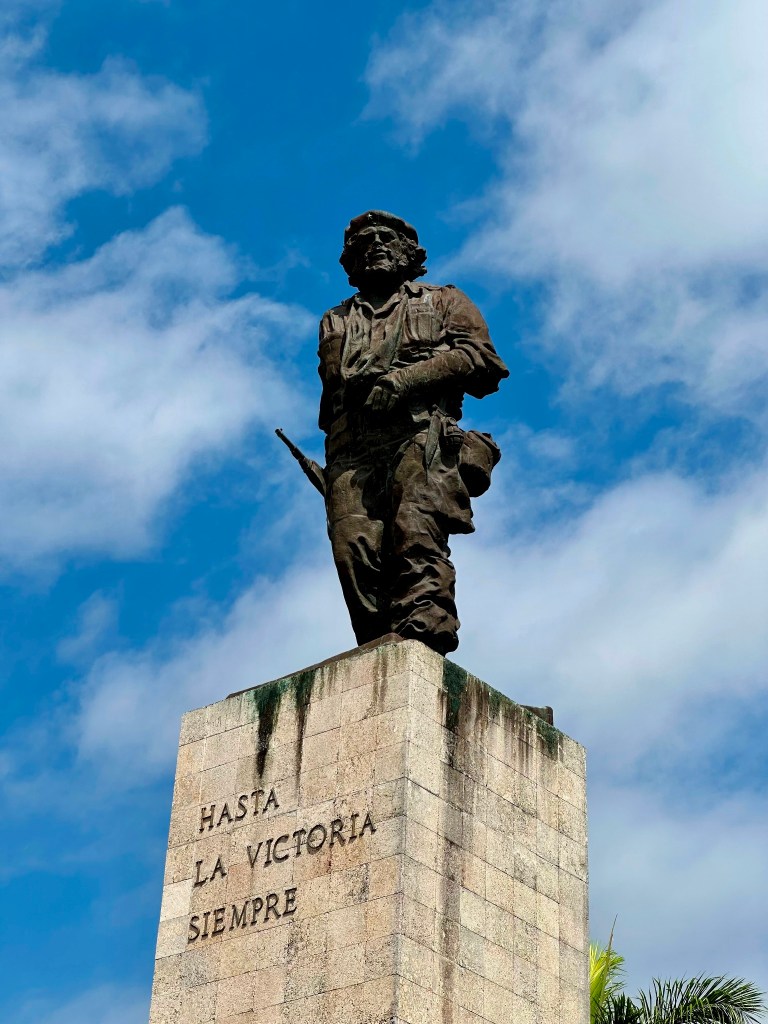
From Havana we took a LONG bus ride to Camaguey for a two-night say. Half way to Camaguey we stopped in Santa Clara to visit the Ernesto “Che” Guevara Memorial.
Afterwards we had lunch at a private (local/family-owned) restaurant. In Cuba these private restaurants are known as Paladar’s. Most are in their own building but sometimes are an extension of a single-family home. Though many Cuban’s struggle to afford necessities the meals we had were excellent with large portions and included bottled water and one or more drinks. I think I had more rum in Cuba than I’ve had in the past 20 years.
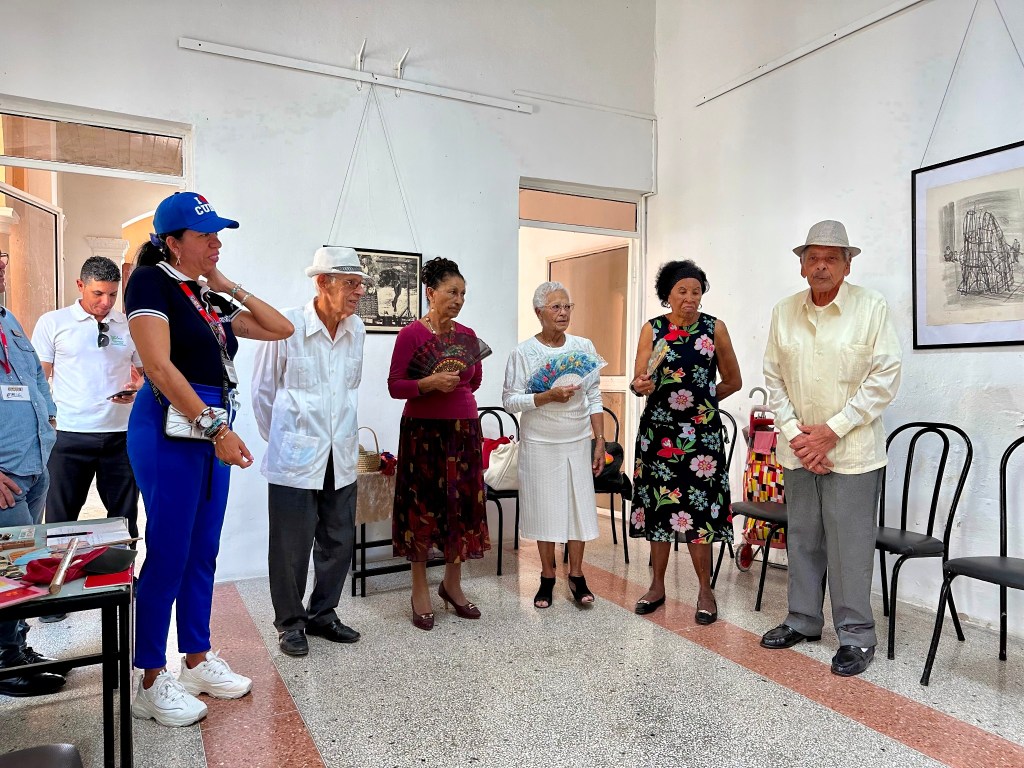
Before leaving we met with members of a Abuelitos de Fiesta, a community project for the elderly (aka the Grandparents club) to keep them active. They were so sweet.
Gasoline is in short supply in Cuba. We passed many gas stations with long lines just to purchase a small amount of fuel. On our drive to Camaguey the bus stopped at a gas station to get a little extra fuel just in case. He was only allowed to purchase 25 liters (6.6 gallons)!!
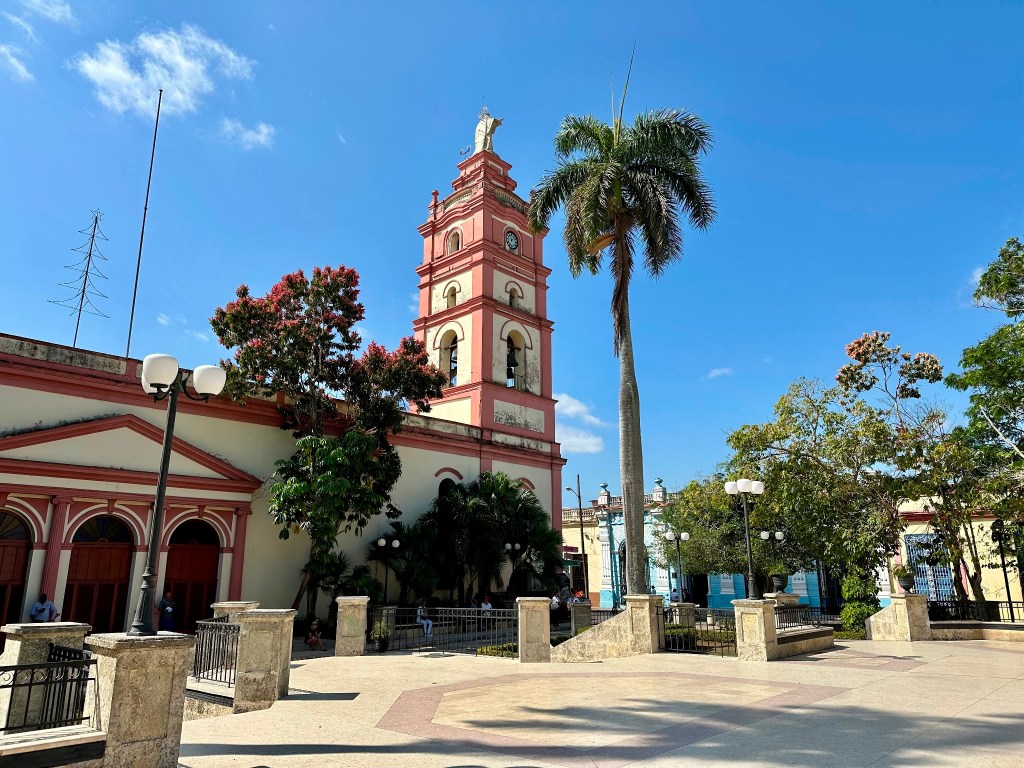
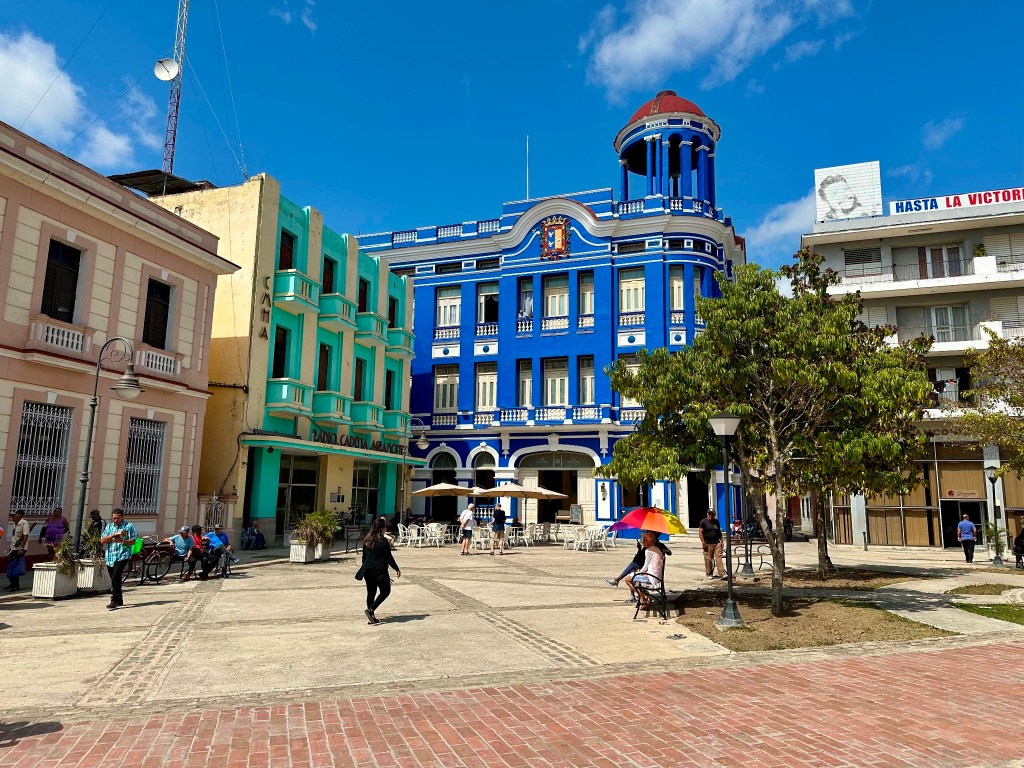
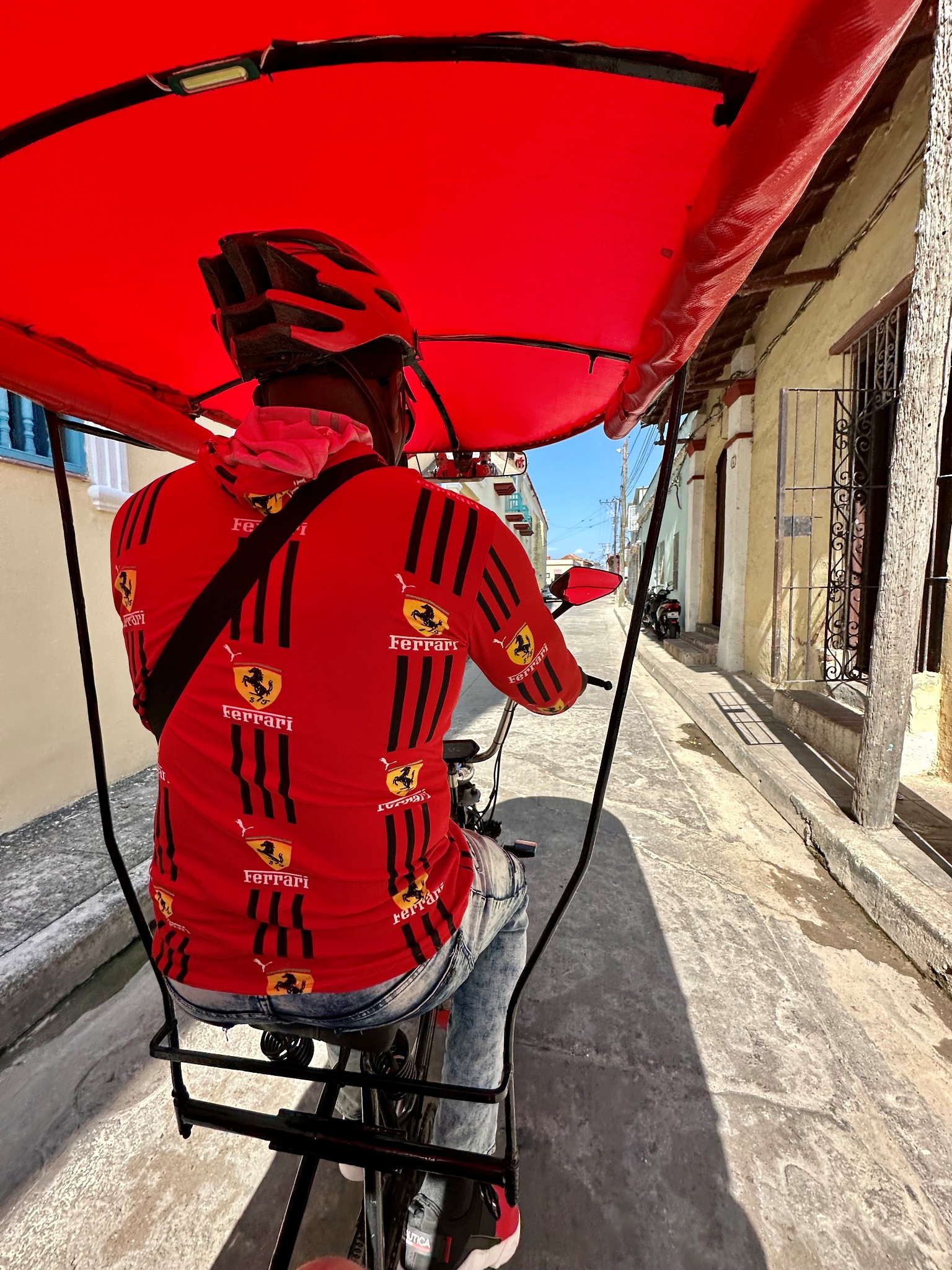
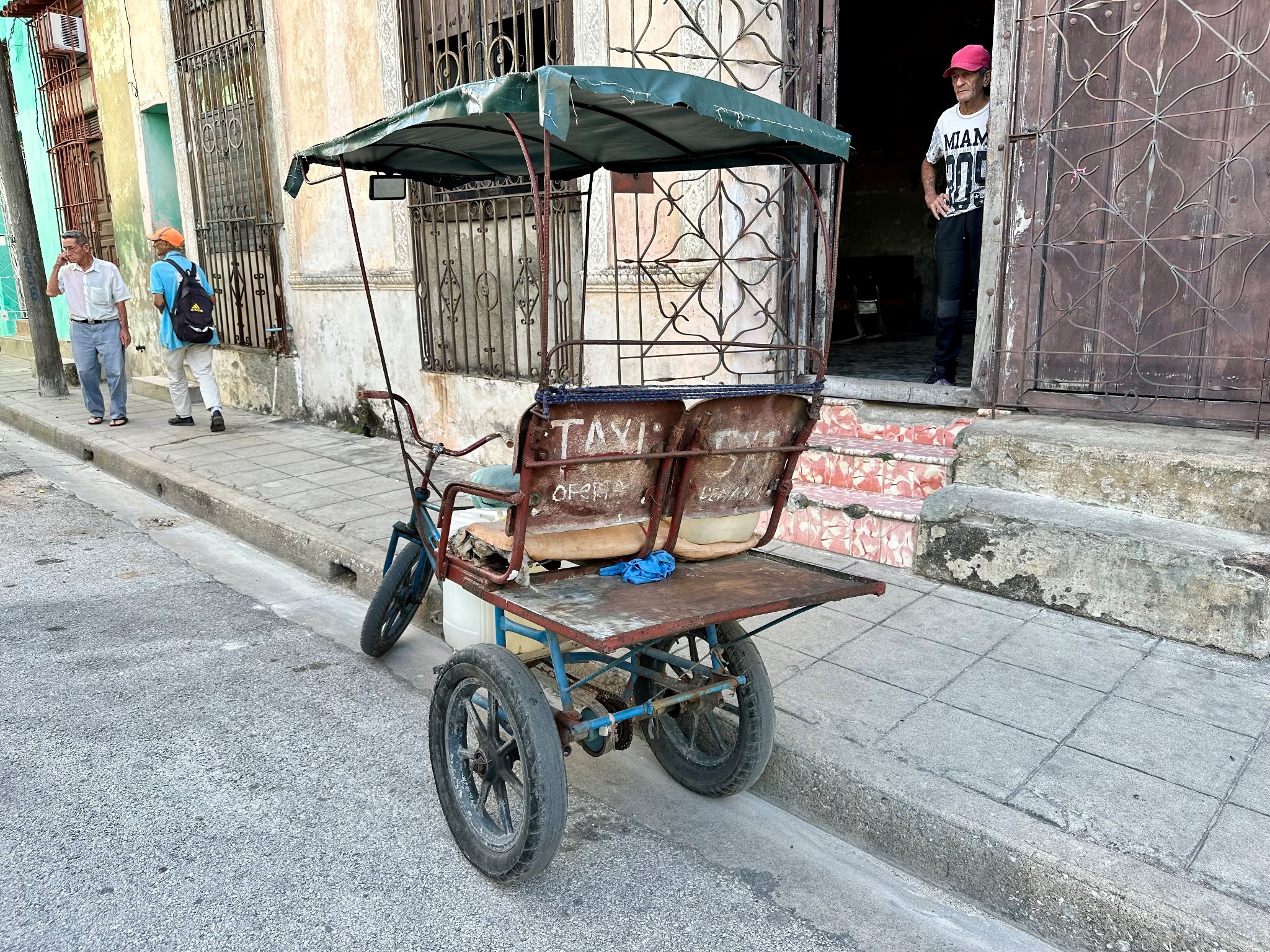
In Camaguey we visited a local ballet company, took a “Bicitaxi” (bicycle taxi) tour around the historical city center, and visited the Martha Jimenez art gallery.

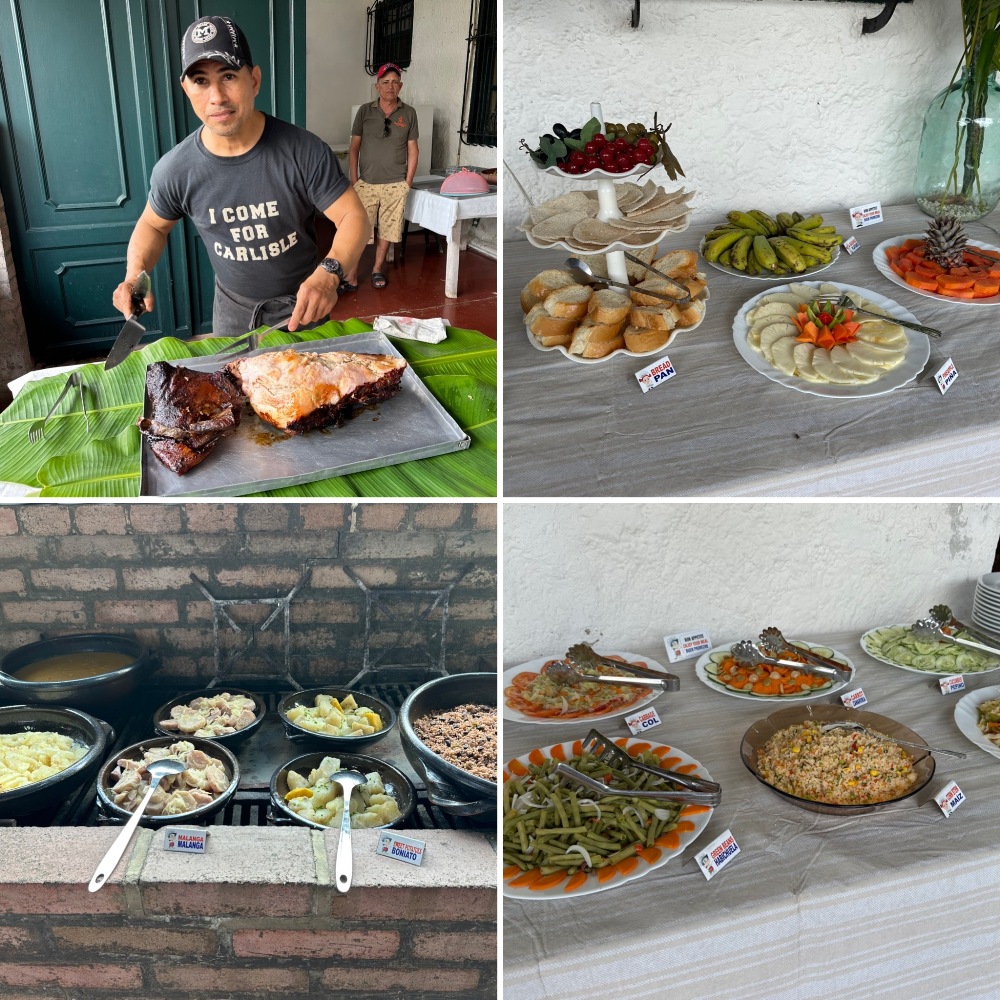
Our lunch that day was at a local family ranch. They raised dairy cattle, horses, sheep and goats. Our main course was spit-roasted pork.
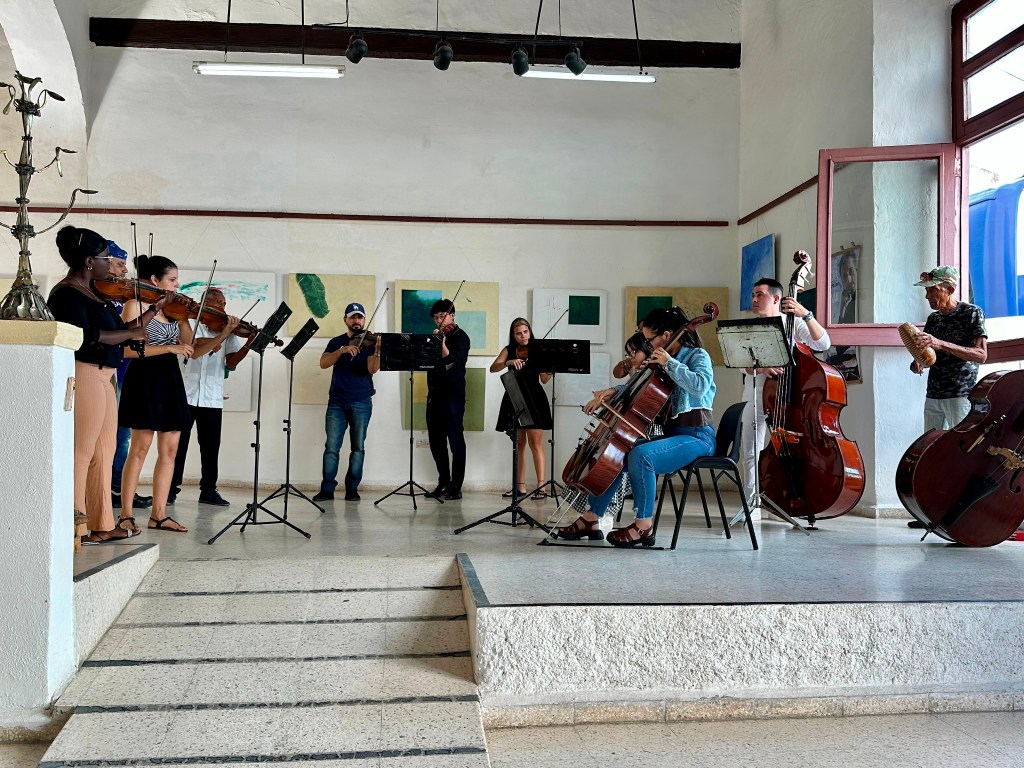
From there we headed to another local art gallery and enjoyed a private concert by members of the Camaguey Chamber Orchestra. They were fantastic.
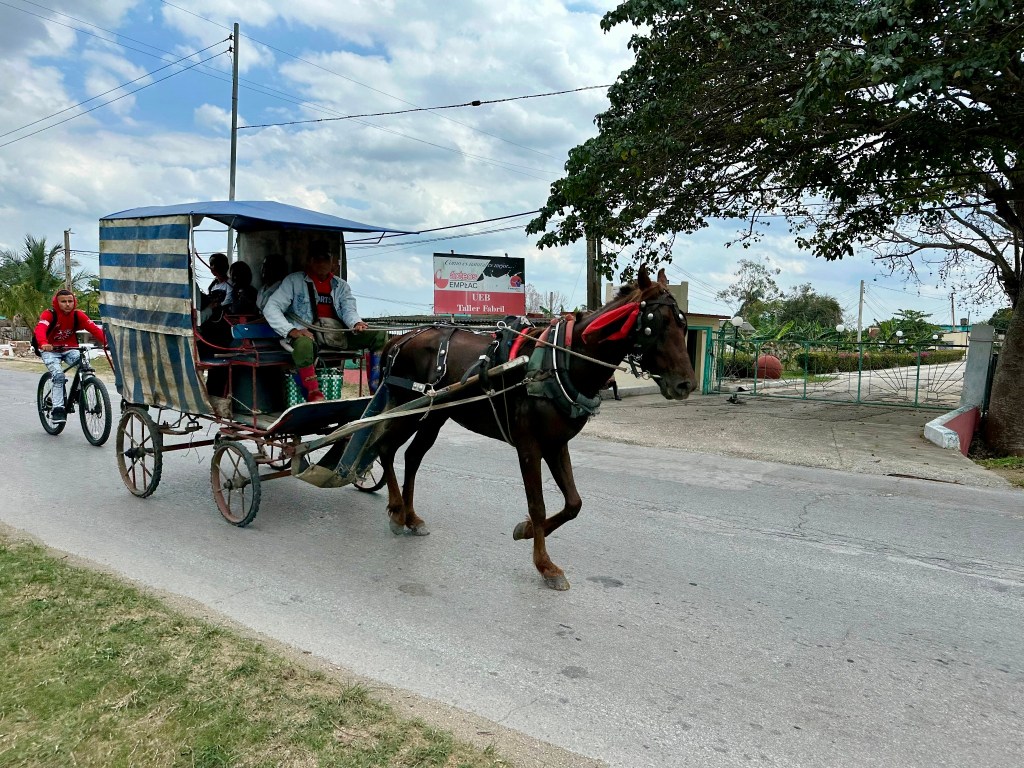
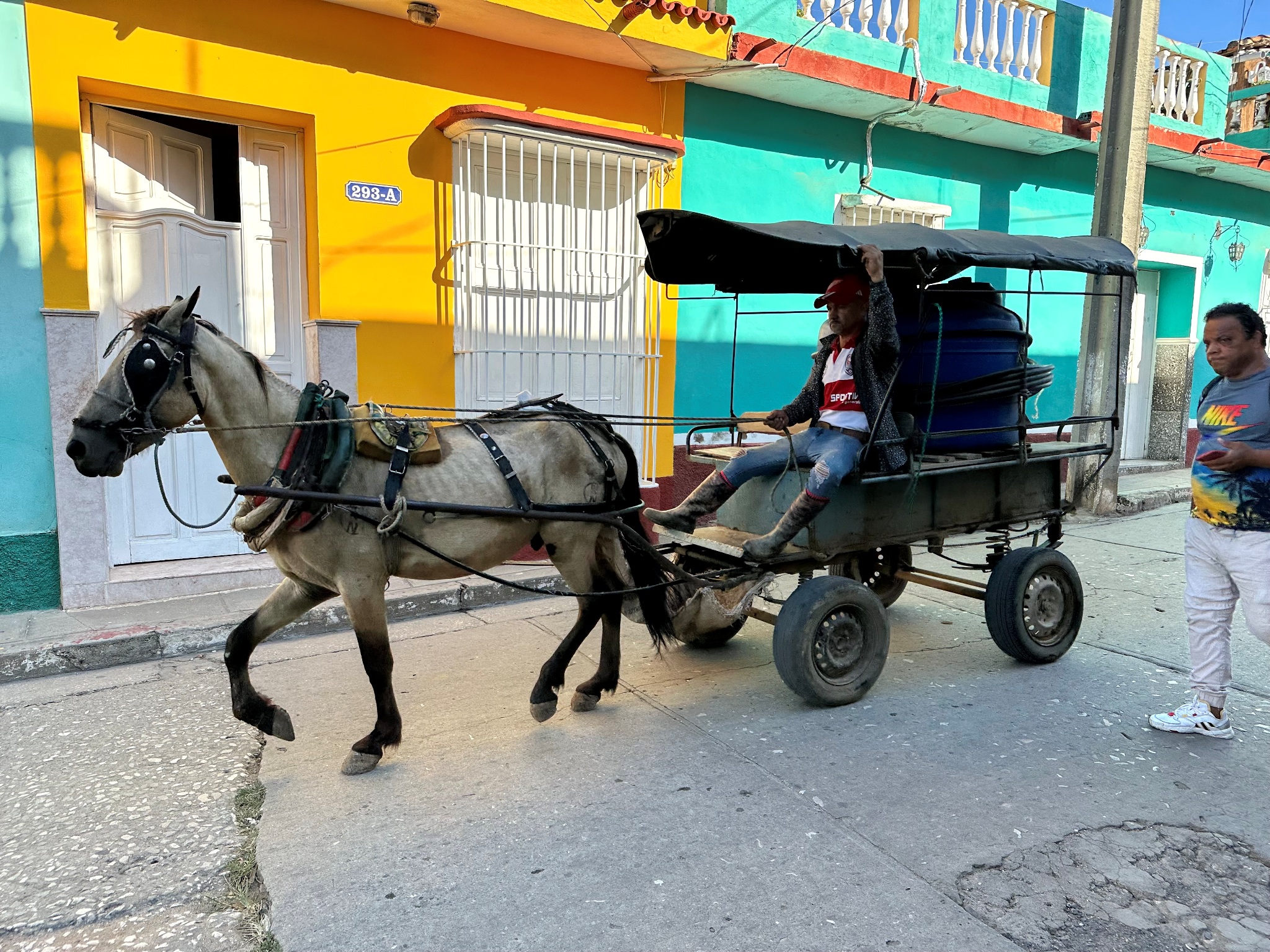
From Camaguey we headed to Trinidad on the Caribbean coast of Cuba for another two-night stay. The roads in Cuba are in terrible conditions. Many are littered with potholes and patches. Few people in Cuba can afford to own a car, although may do have small motorcycles. Even in Havana we never experienced a traffic jam. Driving on the highways was slow however. Most roads are narrow and two lanes. Horse carts and bicycles have the right-of-way so we constantly had to slow down in order to maneuver around them.
In most countries I travel we have bathroom stops at a truck stop. These really don’t exist in Cuba. Along the road you will find private pit stops with small bars/restaurants, souvenirs and toilets.

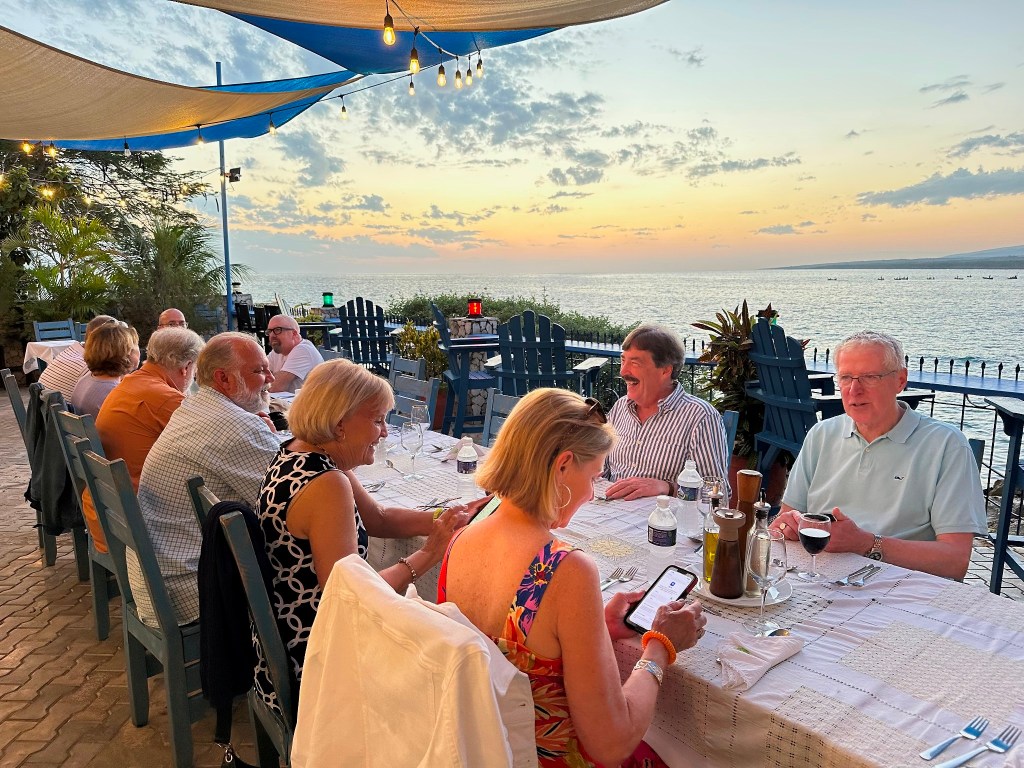
Our first night in Trinidad we had dinner at a Paladar on the Caribbean Sea complete with a great sunset.

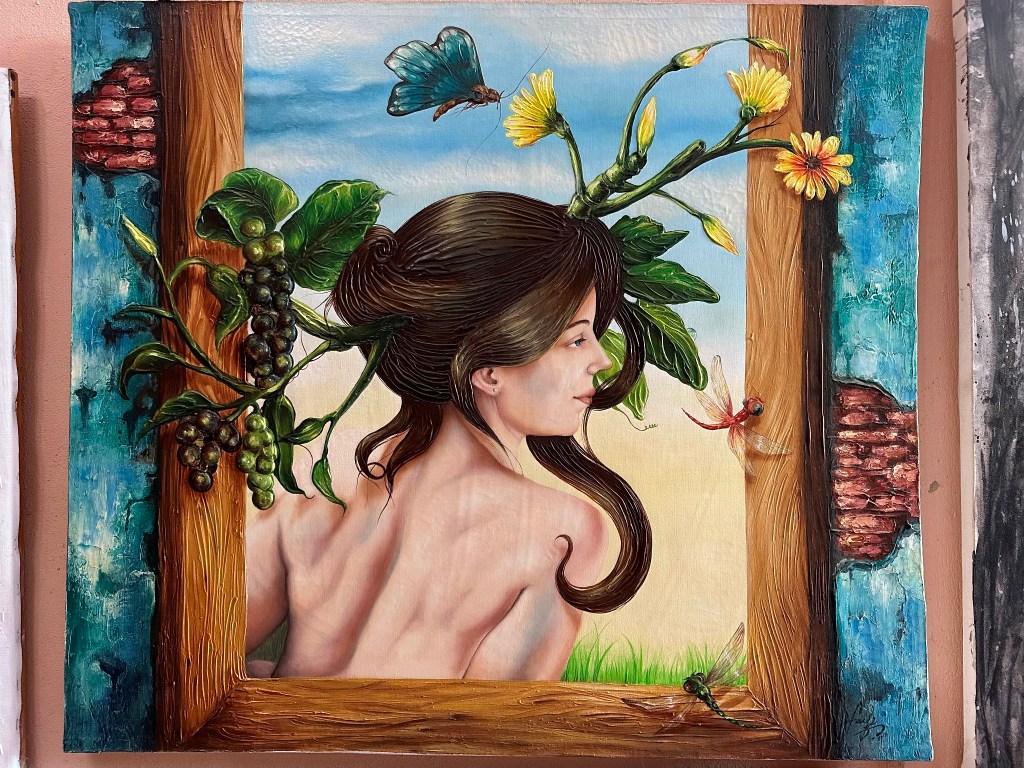
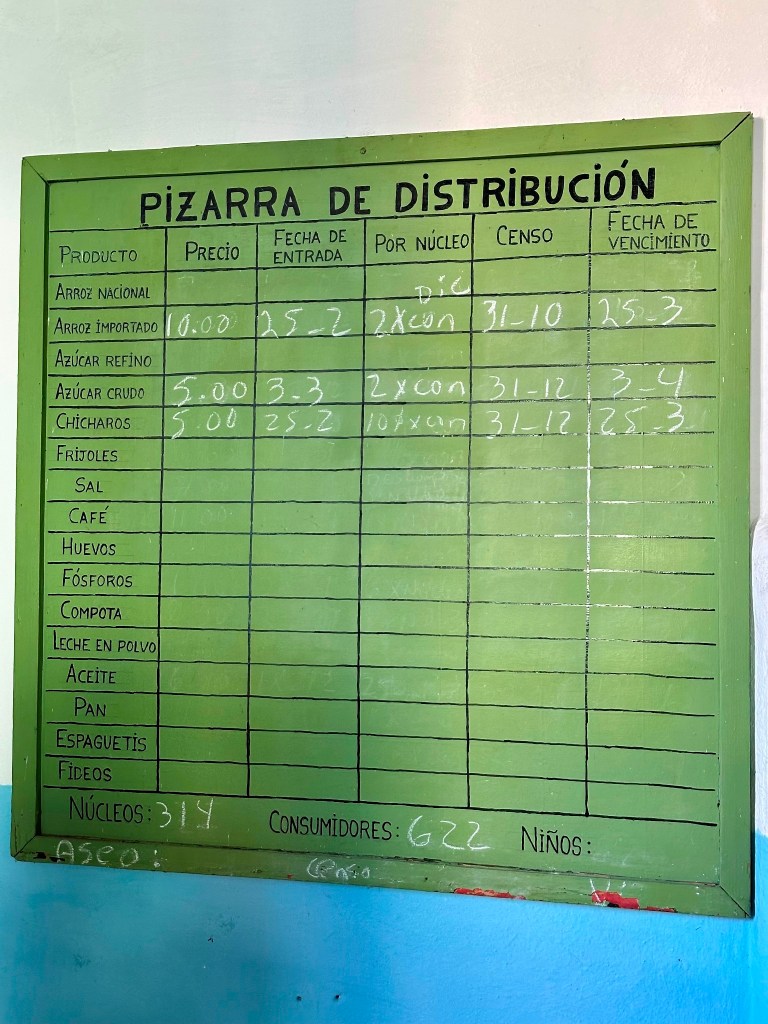
In Trinidad we visited the home of a local artist, had a walking tour of the city and visited a local bodega where Cubans receive certain highly subsidized food rations each month.
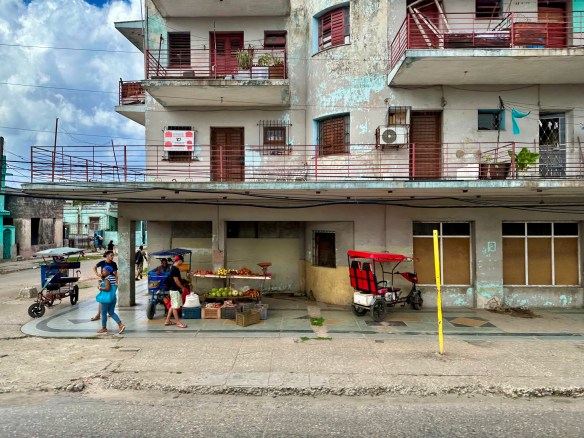
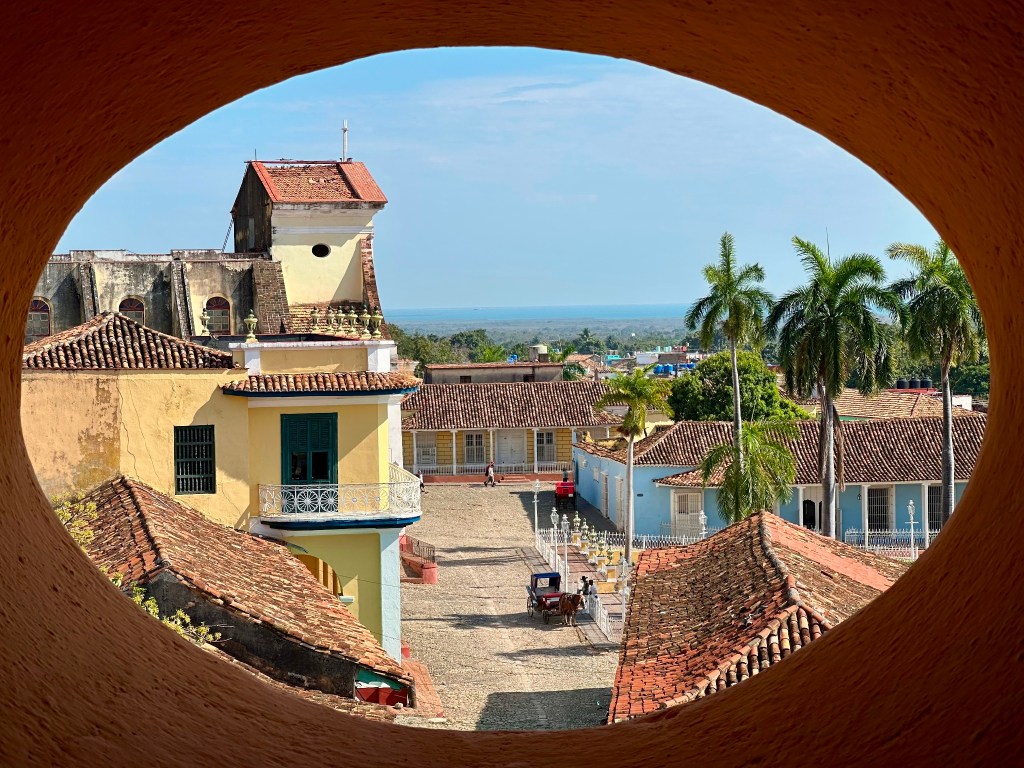
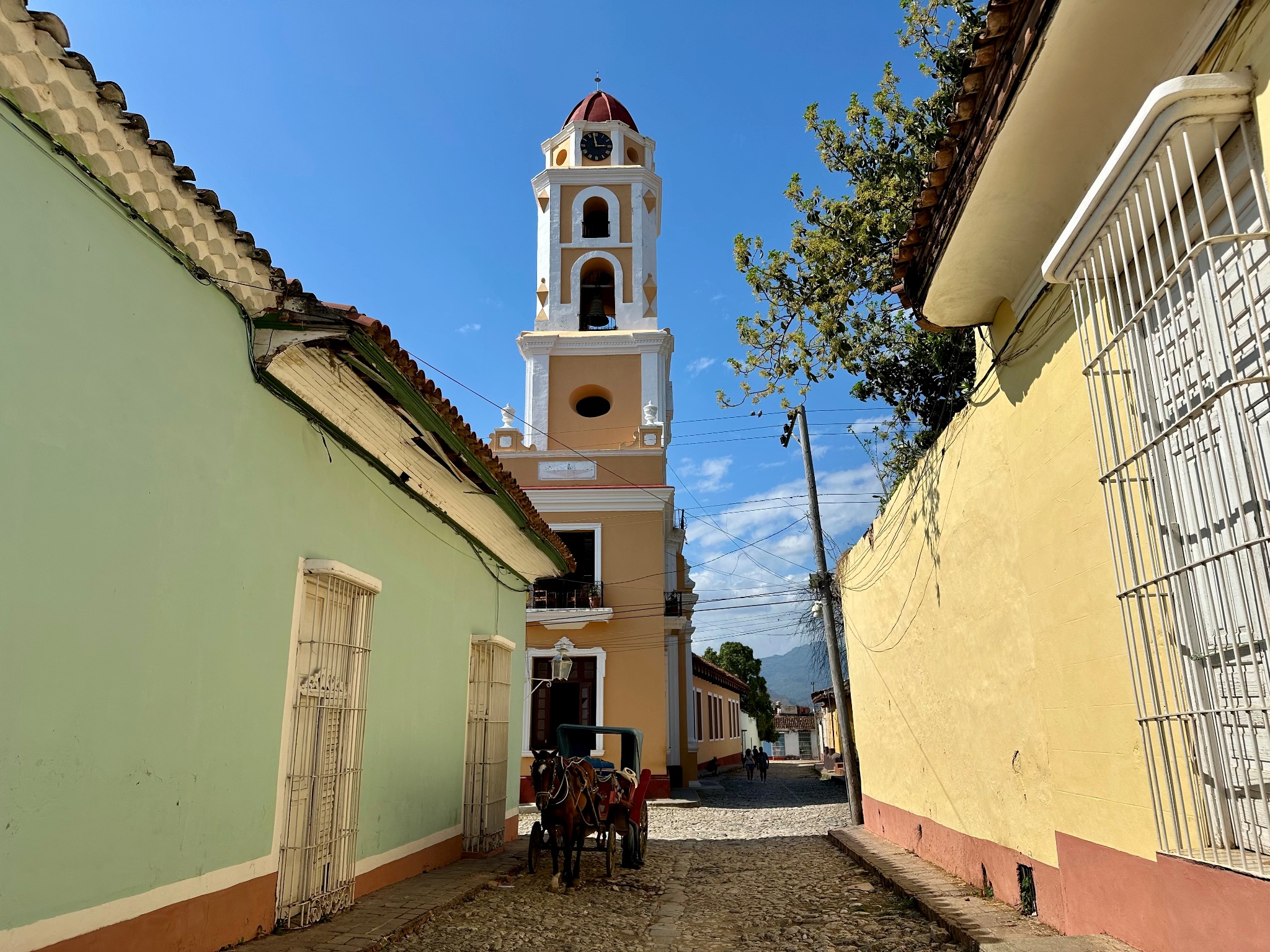
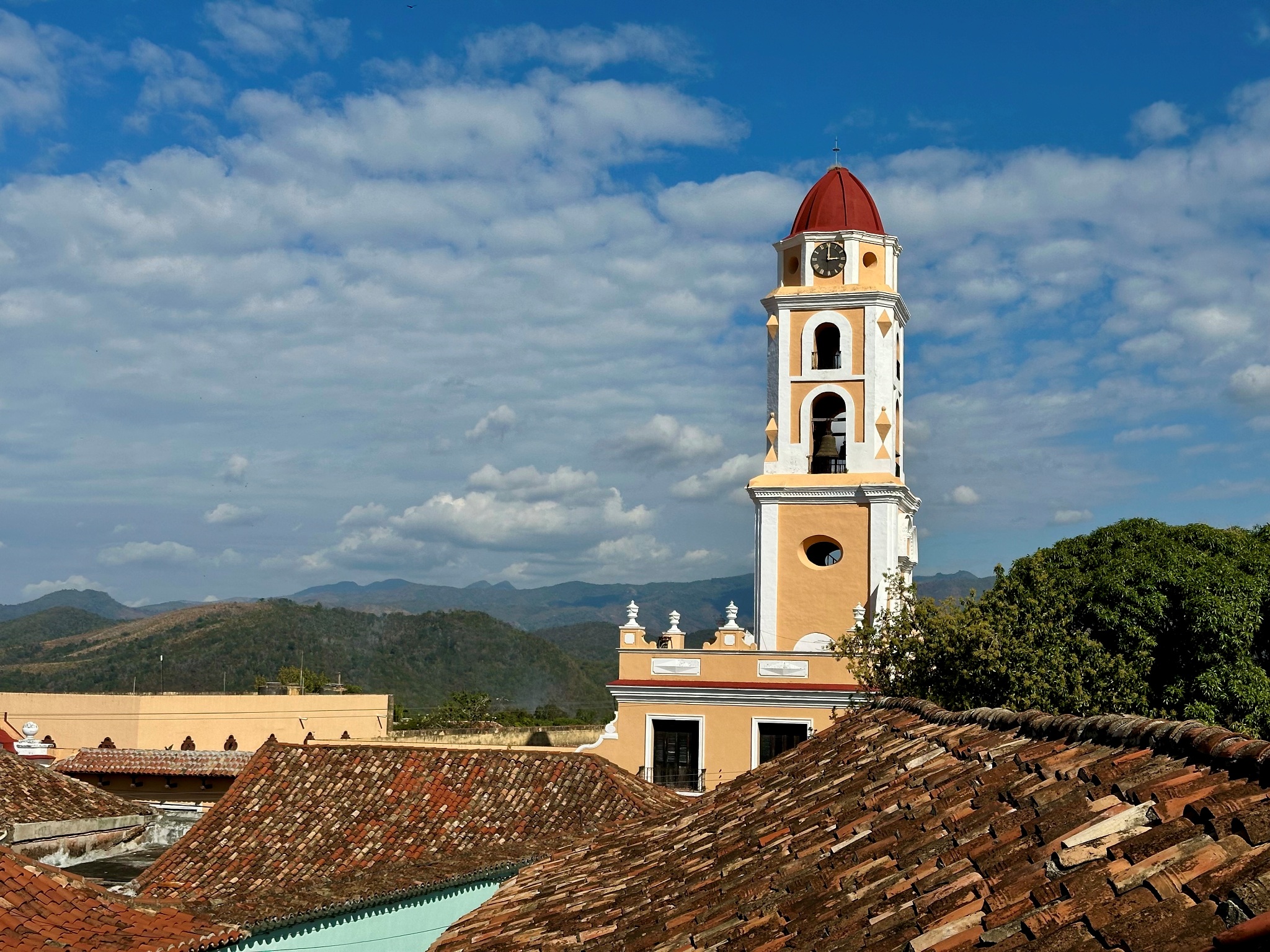
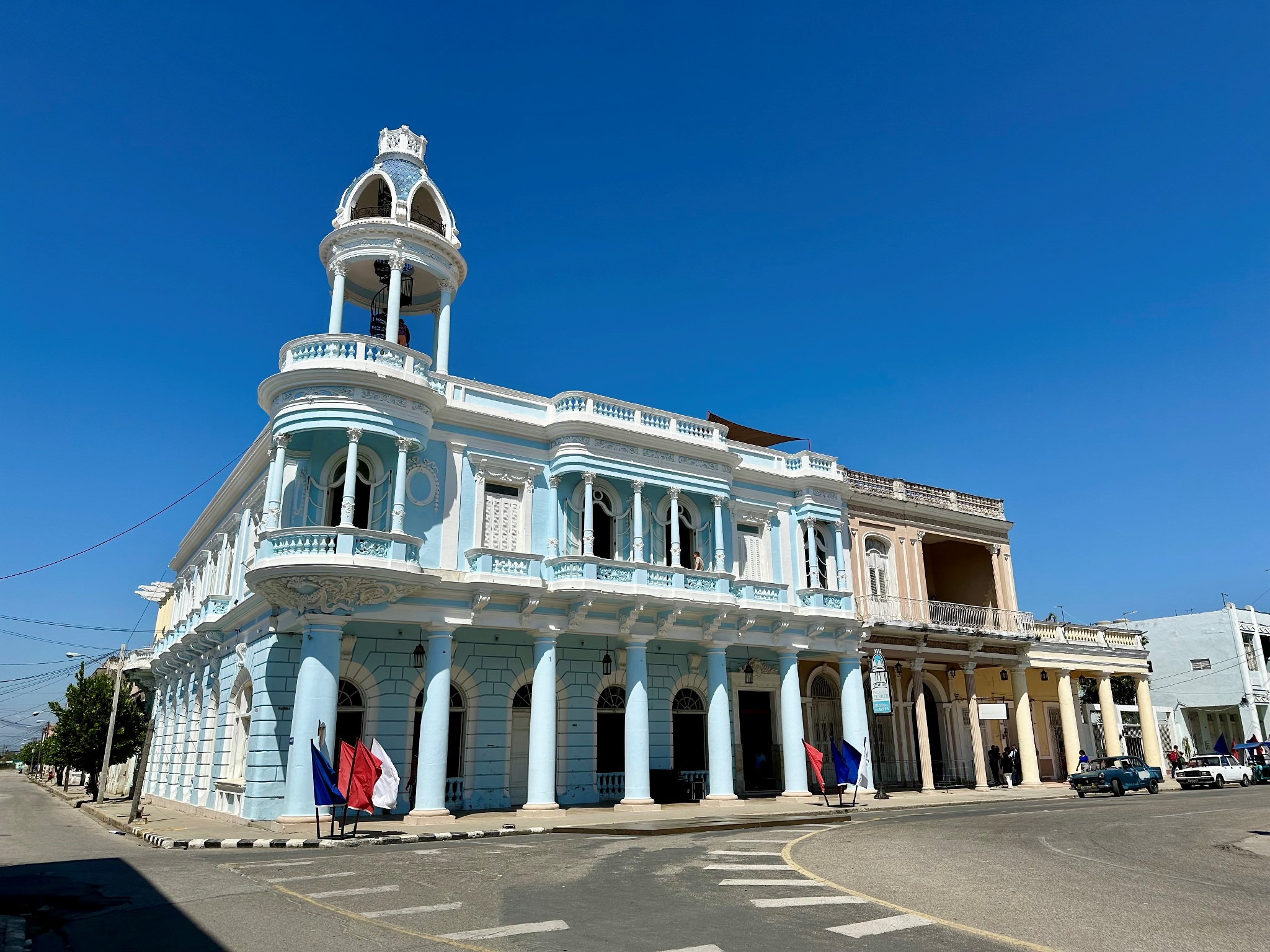
The city of Trinidad was clean and colorful.


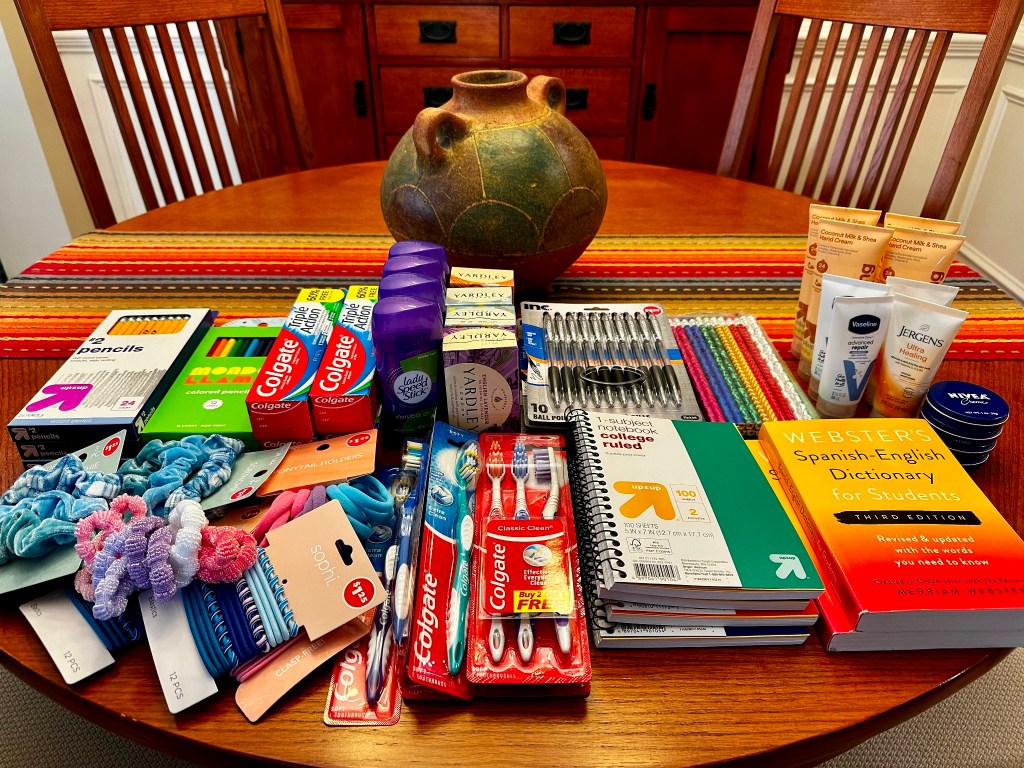
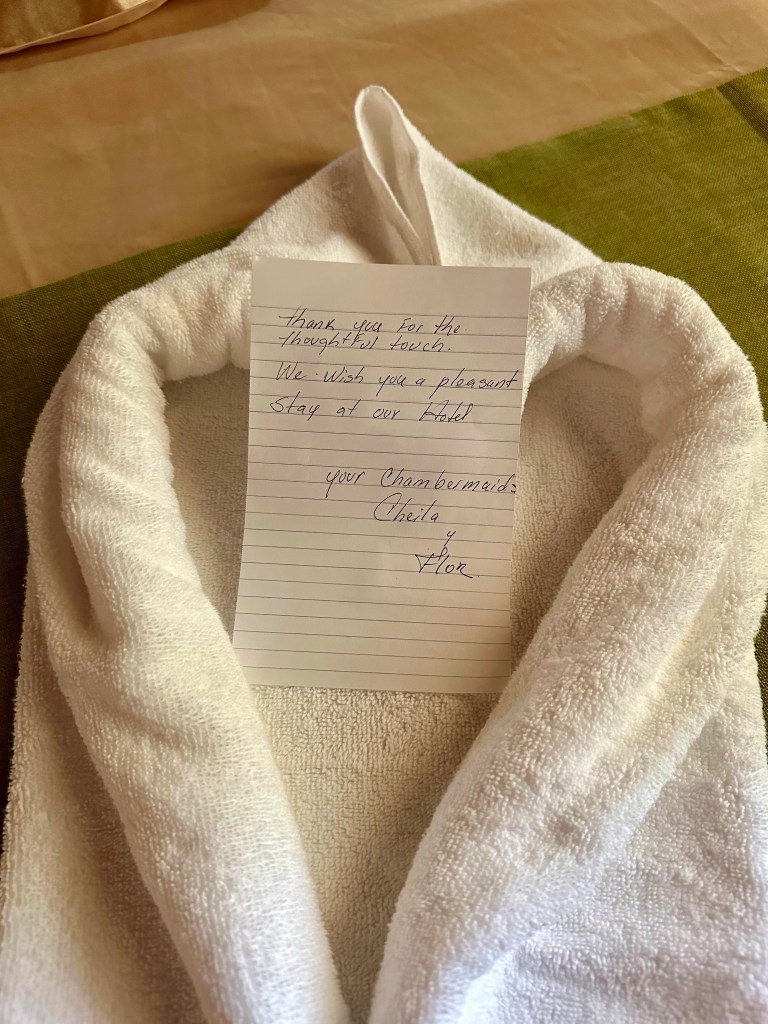
Most working Cubans struggle to get by, however there is a modest middle class, mostly involved in private businesses related to tourism. On most trips to developing countries I bring school supplies to drop off. For this trip I decided to focus on the housekeepers in our hotels. Half of my suitcase was filled with small gifts for my hotel maid. Each day I would leave a monetary tip and a gift bag for the maid. It was filled was various everyday items that are expensive and/or are in limited supply in Cuba: Soap, toothpaste, hand cream, deodorant, AA batteries, Band-Aids, hairbands, notebook and pens, etc. Several of the maids left me a thank you note.


Over the past year Cuba’s antiquated and overwhelmed power grid has failed many times. Often it is due to storms and hurricanes; other times major equipment failures. During our trip the country experienced a major outage after a substation failure leavings millions without power for up to three days. Most of our two days in Trinidad our hotel and the restaurants we visited were fully powered by back-up generators. The outage included most of Havana. We were lucky since we had air conditioning and Wi-Fi. Most Cubans simply sat in the dark without even a fan. I don’t know how they manage. It is quite sad to see the impact of U.S. sanctions on everyday Cubans just trying to survive.


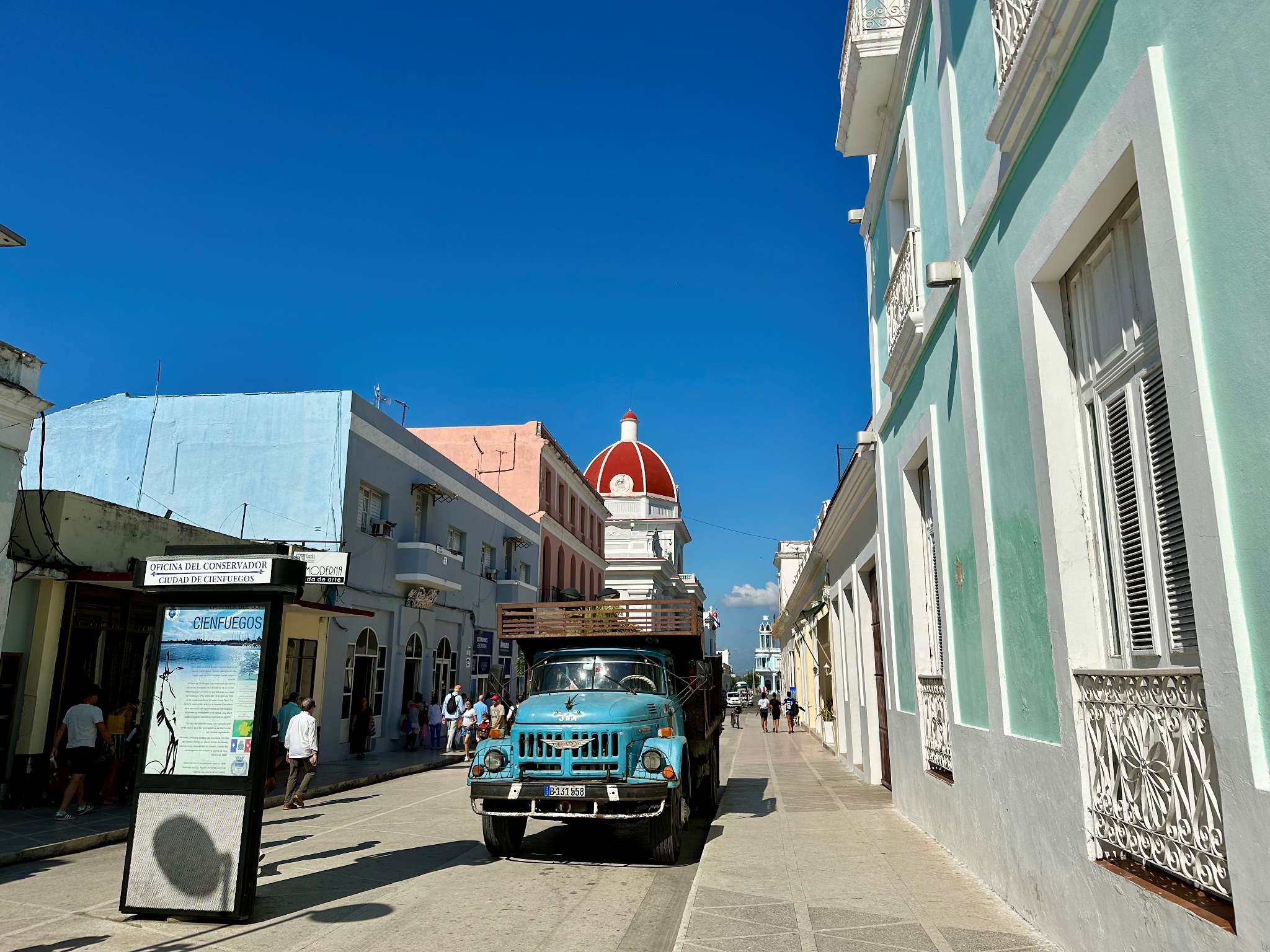
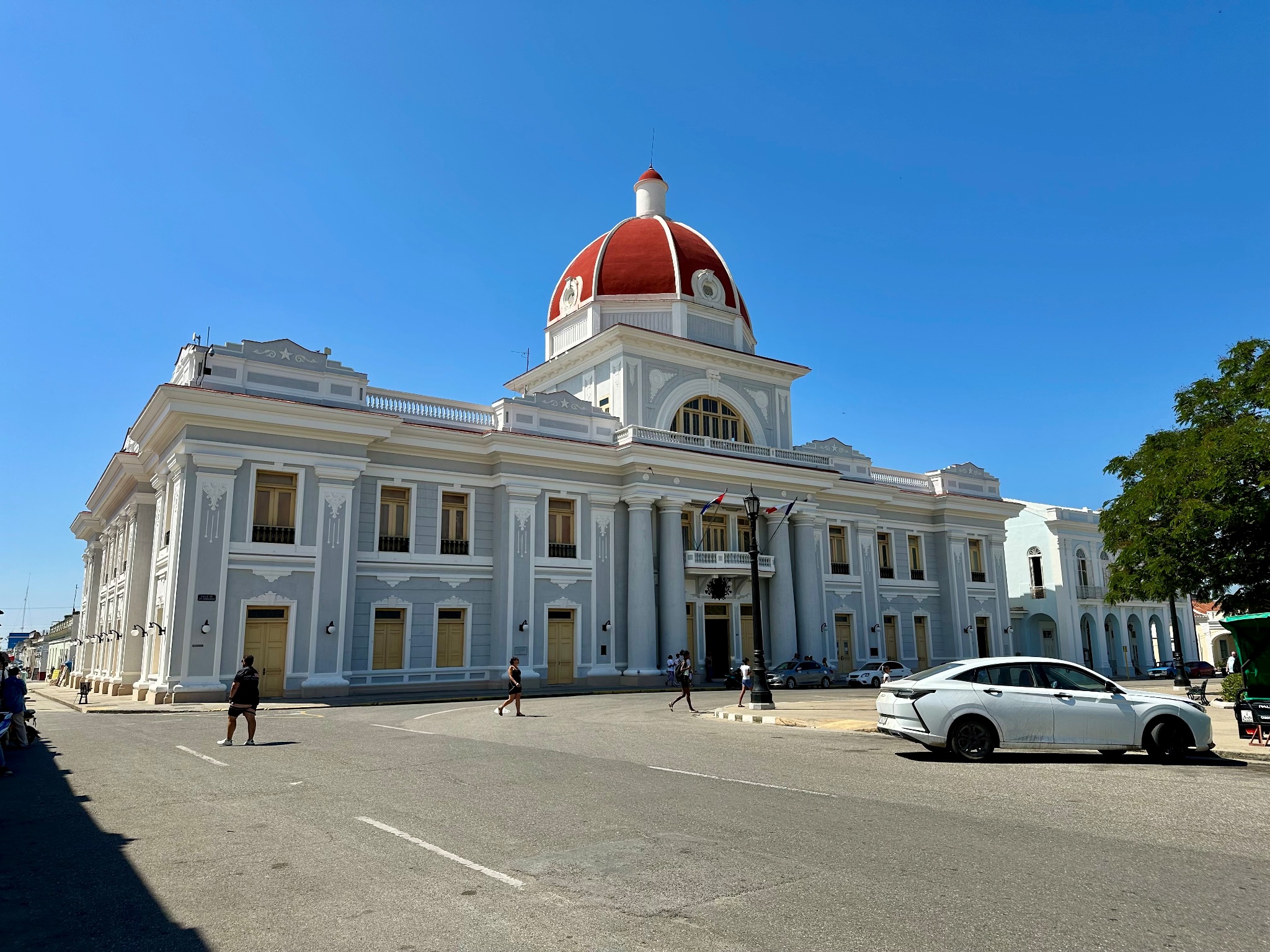
Leaving Trinidad we journeyed back to Havana. On the way we stopped at the charming colonial city of Cienfuegos. Here we toured this historical city center and had a private performance by the Orquesta de Camara de Cienfuegos, a local orchestra specializing in their own arrangements of Cuban classics.

Our lunch stop was at a Paladar in Playa Larga at the northern tip of the Bay of Pigs. After lunch we met with a naturalist who works in the Cienga Azpata Nation Park who talked about Cuba’s flora and fauna and the conservation work they are doing.
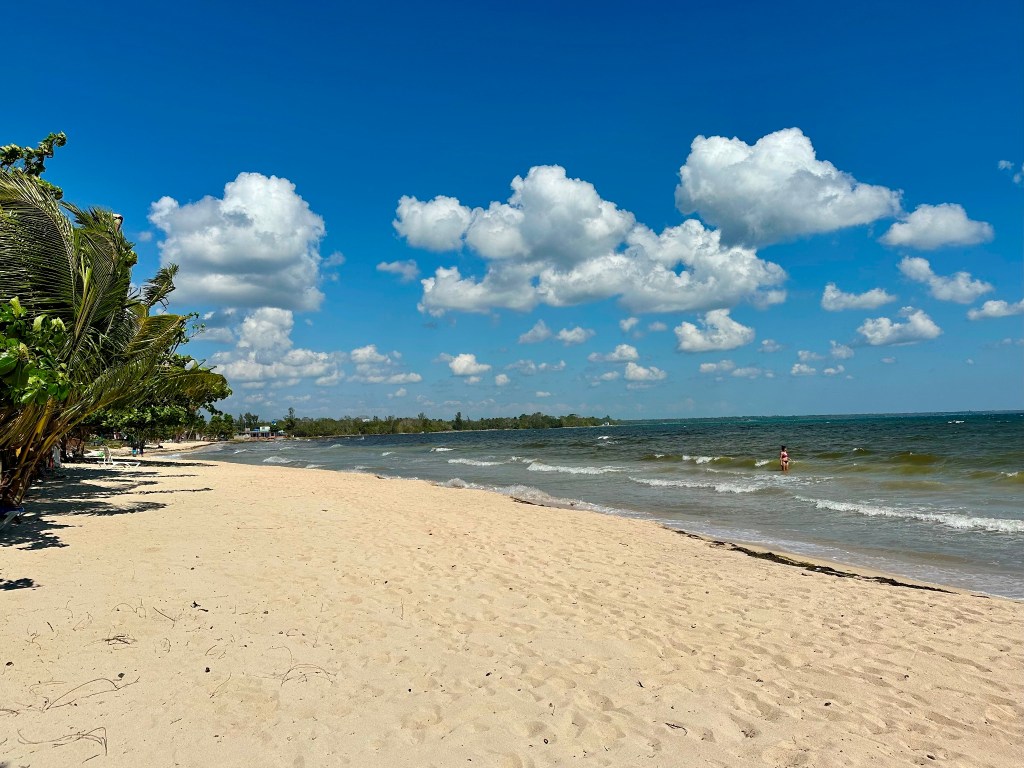
We arrived that evening at a blacked-out Havana. Again our 25 story hotel had generator power, though the air conditioning was limited and there was no hot water in the hotel.
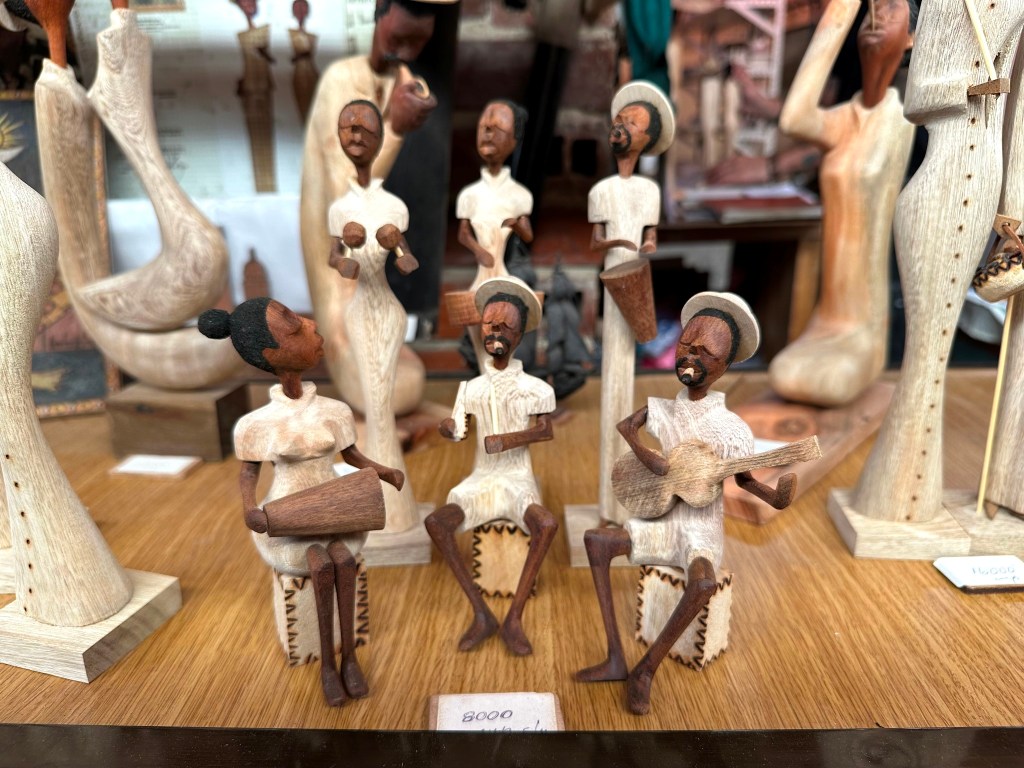
On our final day in Havana we visited a small local craft/souvenir market and a local community project called Beyond Roots that explained the many Afro Cuban Religions and their influence on Cuban Culture. After lunch we met with a retired baseball player who discussed playing in the Cuban baseball league.


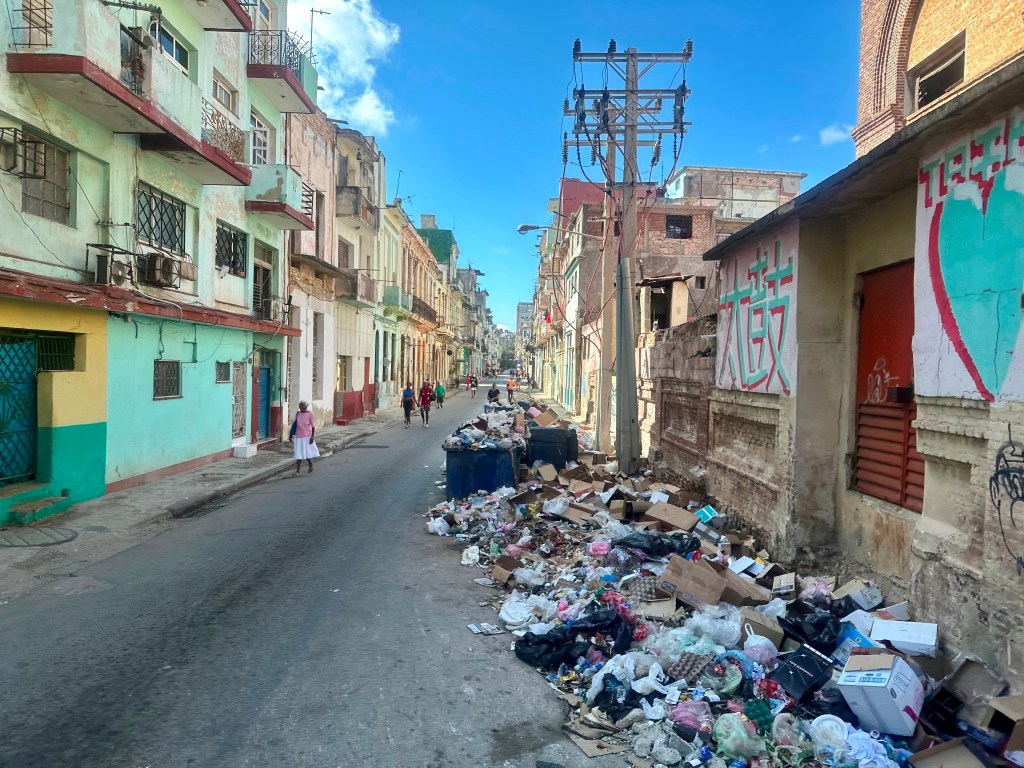
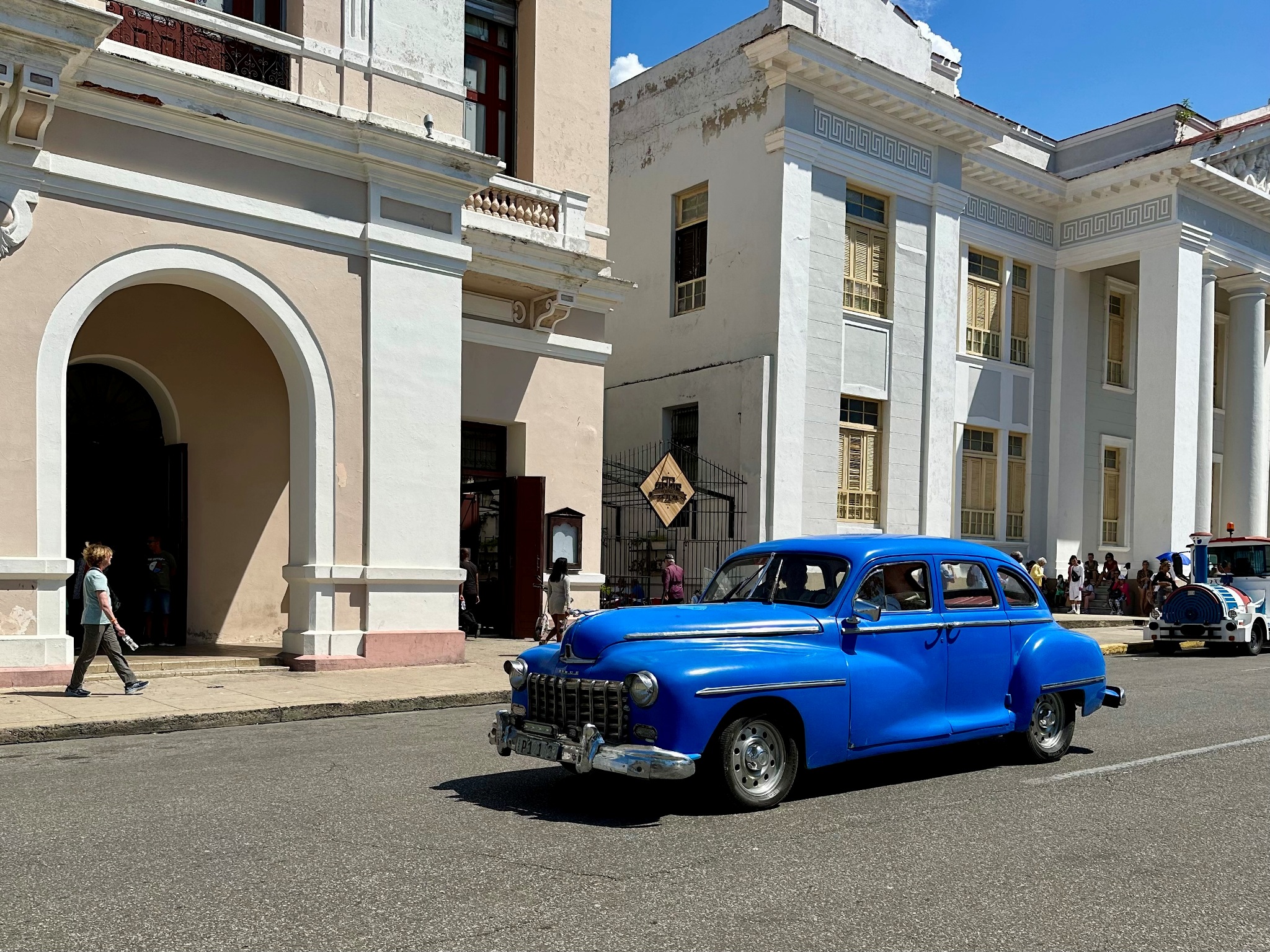
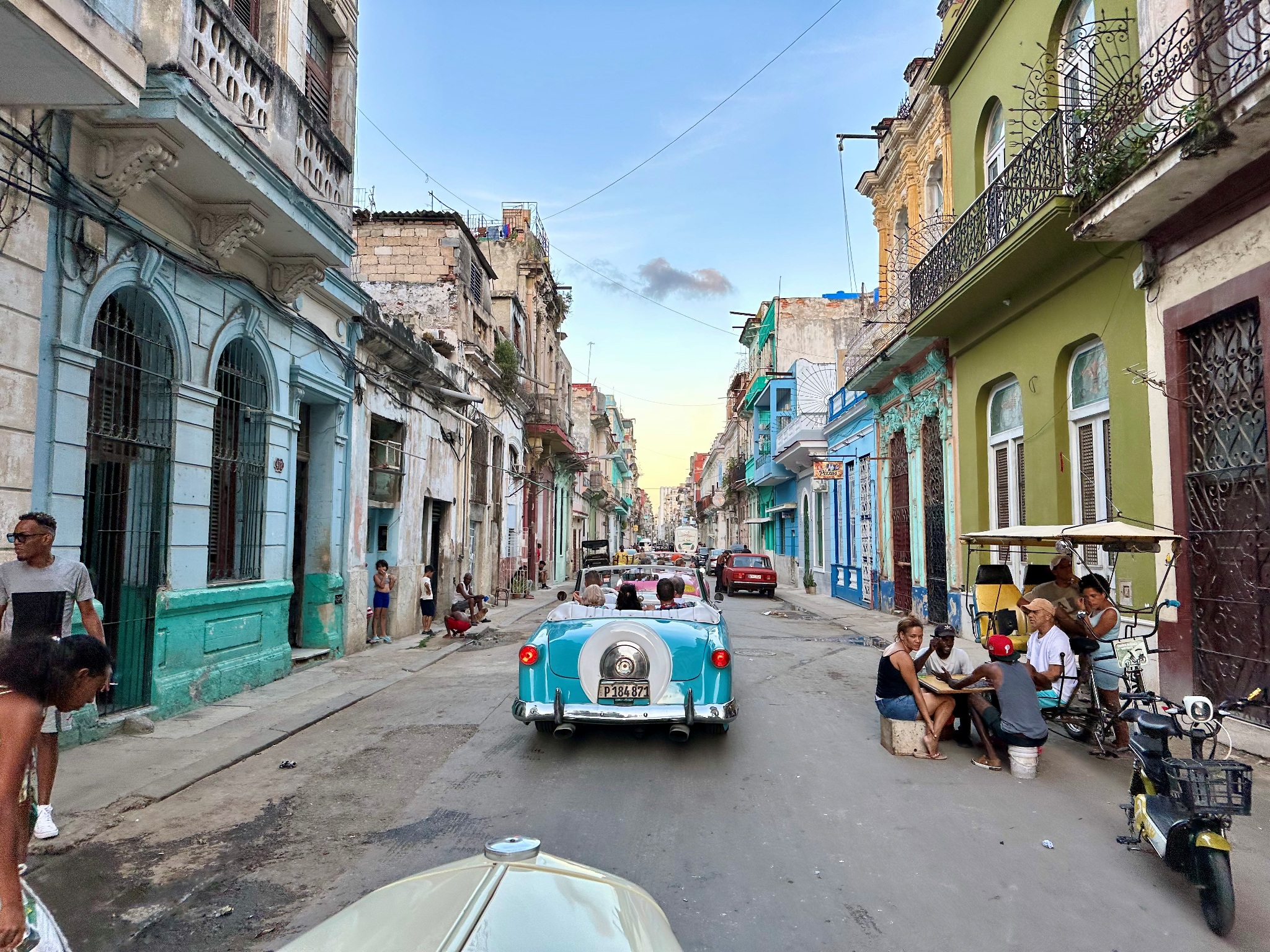
Most people who visit Cuba only spend time in Havana. Havana is covered with crumbling buildings and in certain areas piles of trash. That is how most “tourists” view the entire country. This trip allowed up to see many other cities on the island that were often very clean with colorful maintained buildings.
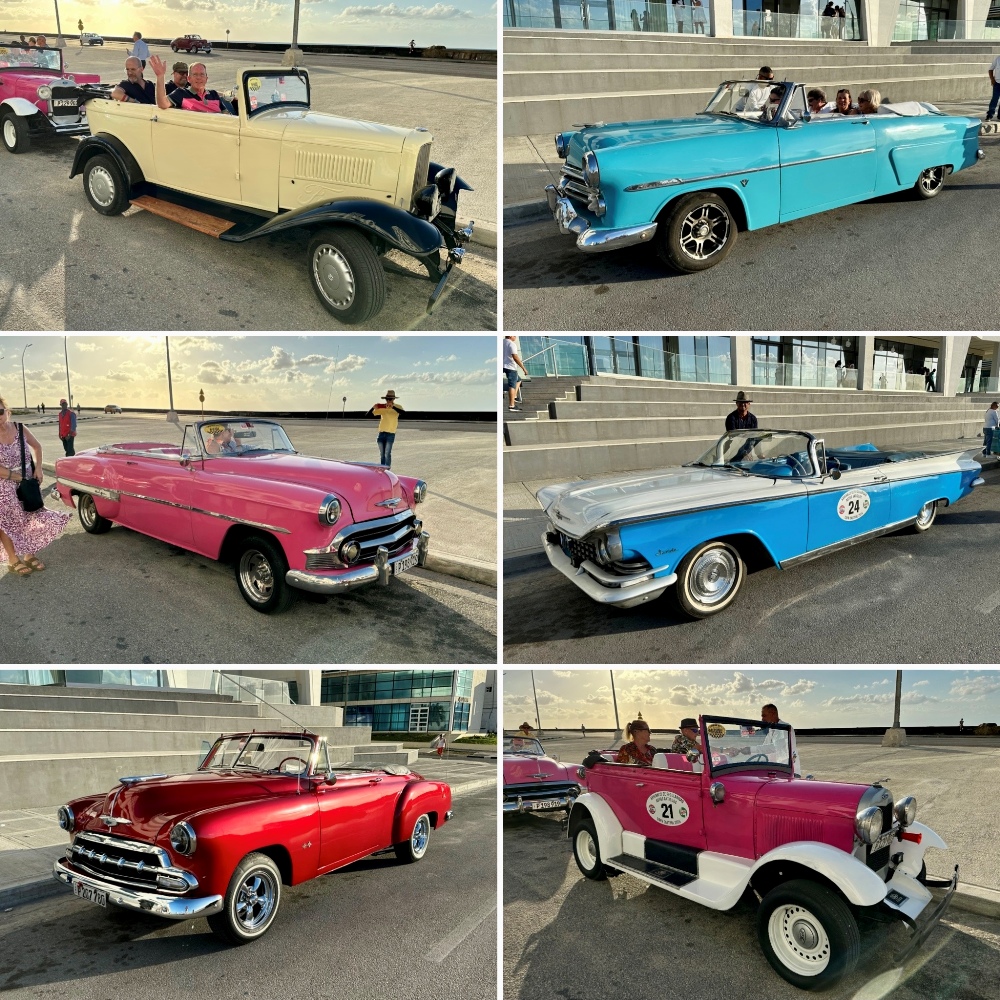
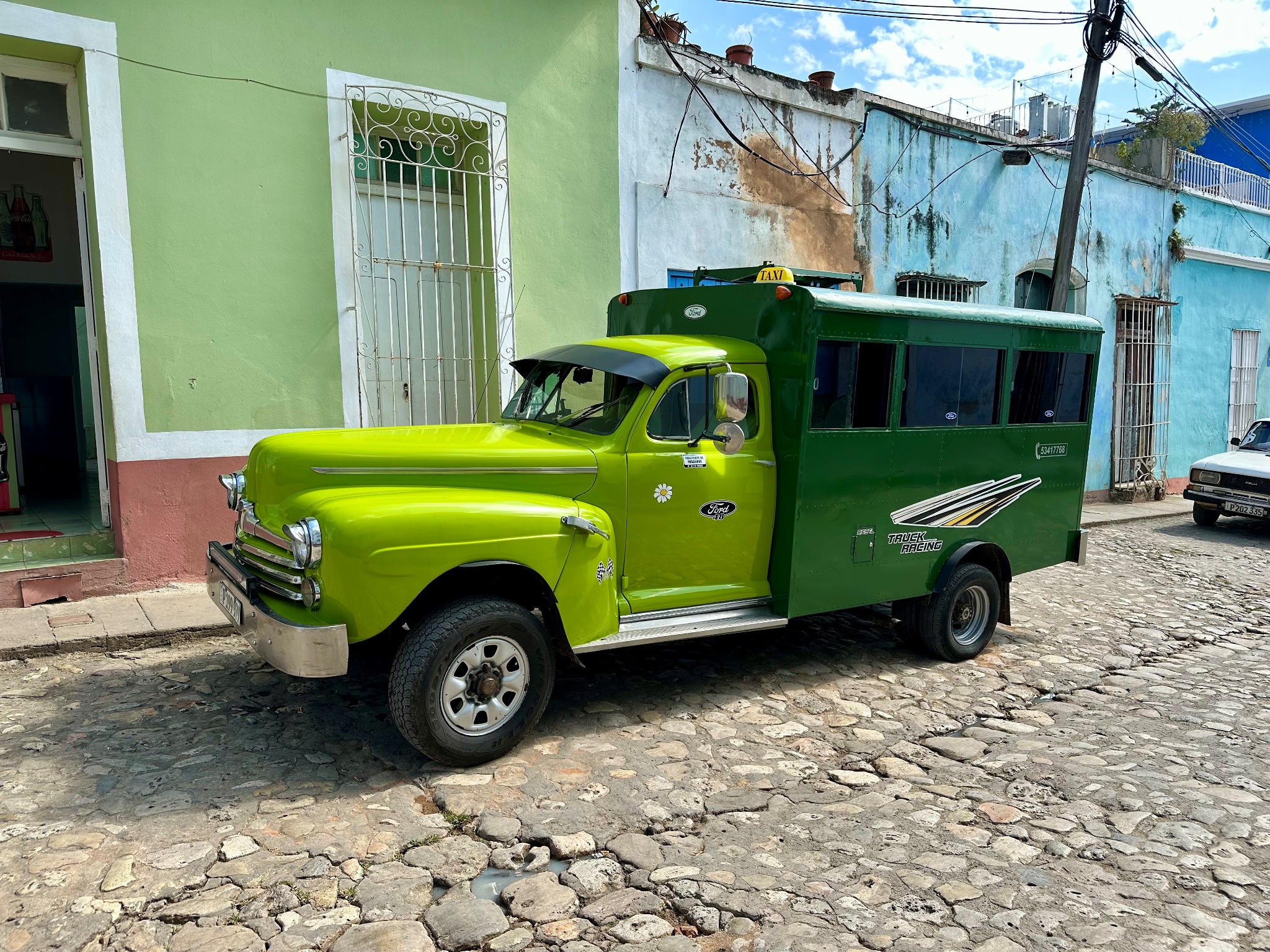
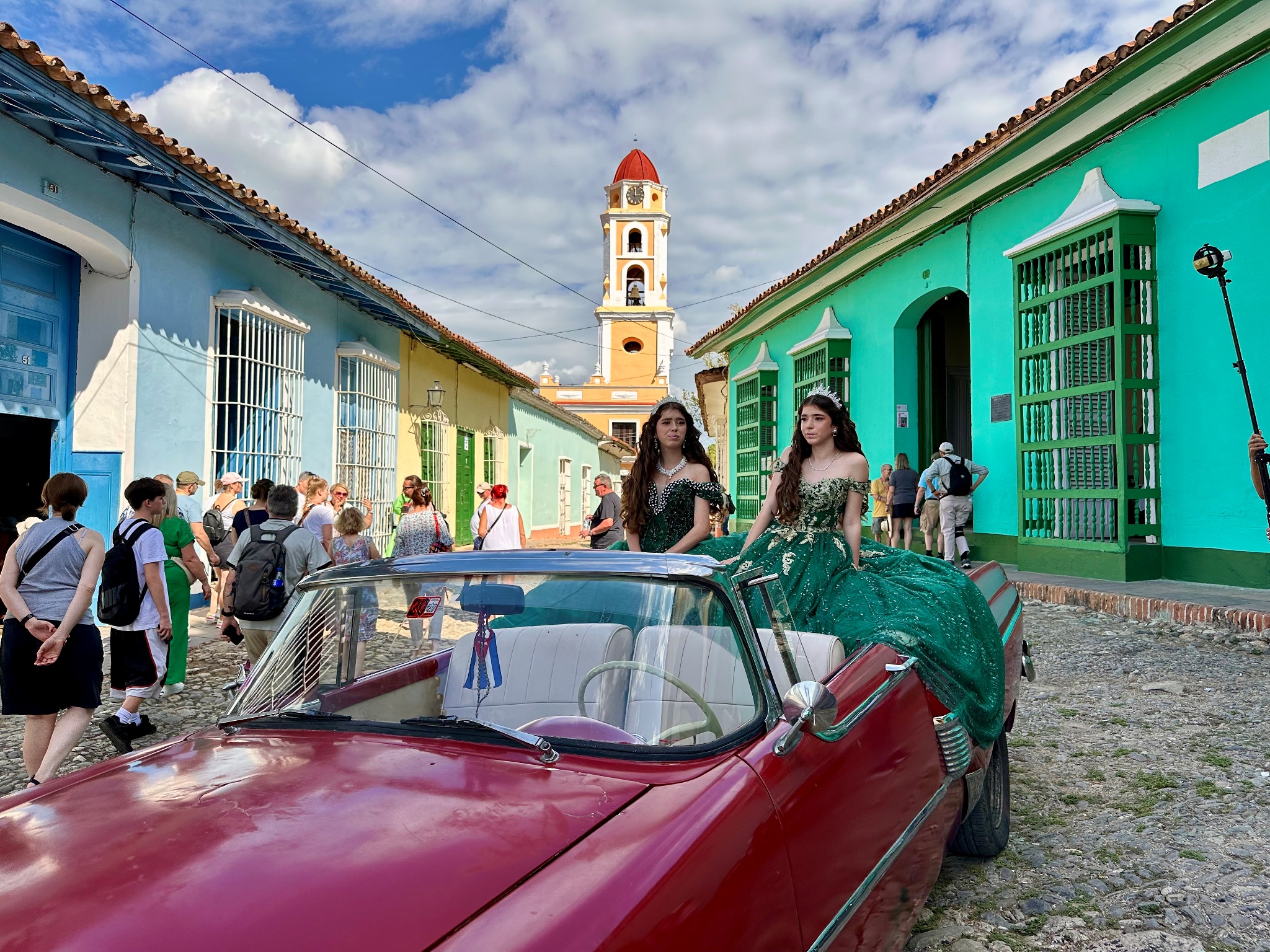
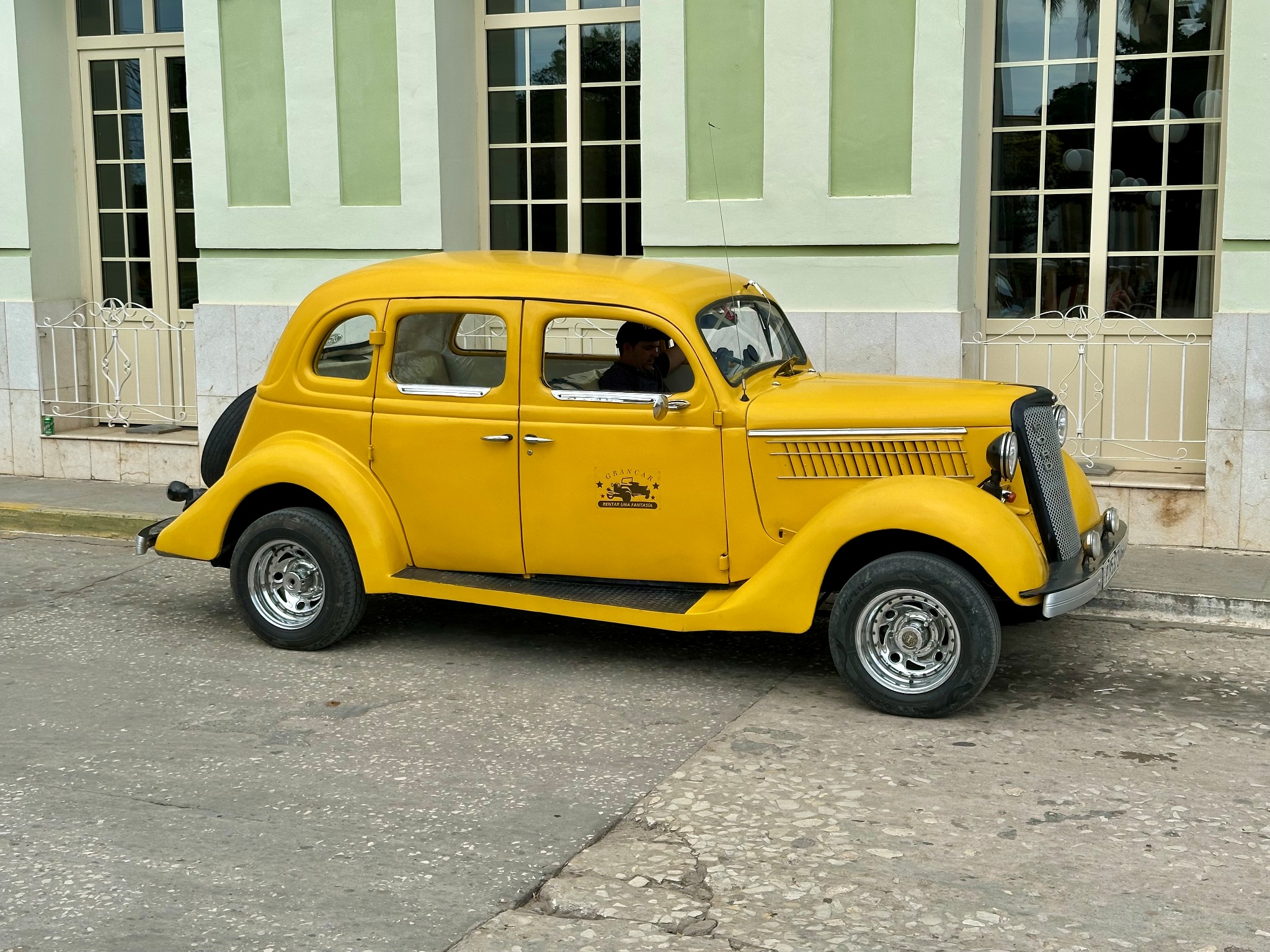
For our farewell dinner we were treated with a ride to the restaurant in classic convertible cars. These old American cars are a sense of pride to their owners who keep them running and impeccable shape. Most are used a high priced taxis for tourists to Cuba.

Though I doubt I will ever return to Cuba I appreciated the opportunity to visit and see exactly how life is for the Cuban population. It is my hope that someday the U.S. politicians will end the misguided and failed sanctions on Cuba. Sanctions have failed to impact the Cuban political system and continue to harm everyday Cubans who struggle to get by. I believe dropping the sanctions would likely change Cuba for the better. Only time will tell.
I would encourage anyone to visit Cuba…”legally.” The Cuban people a friendly and very welcoming to Americans.

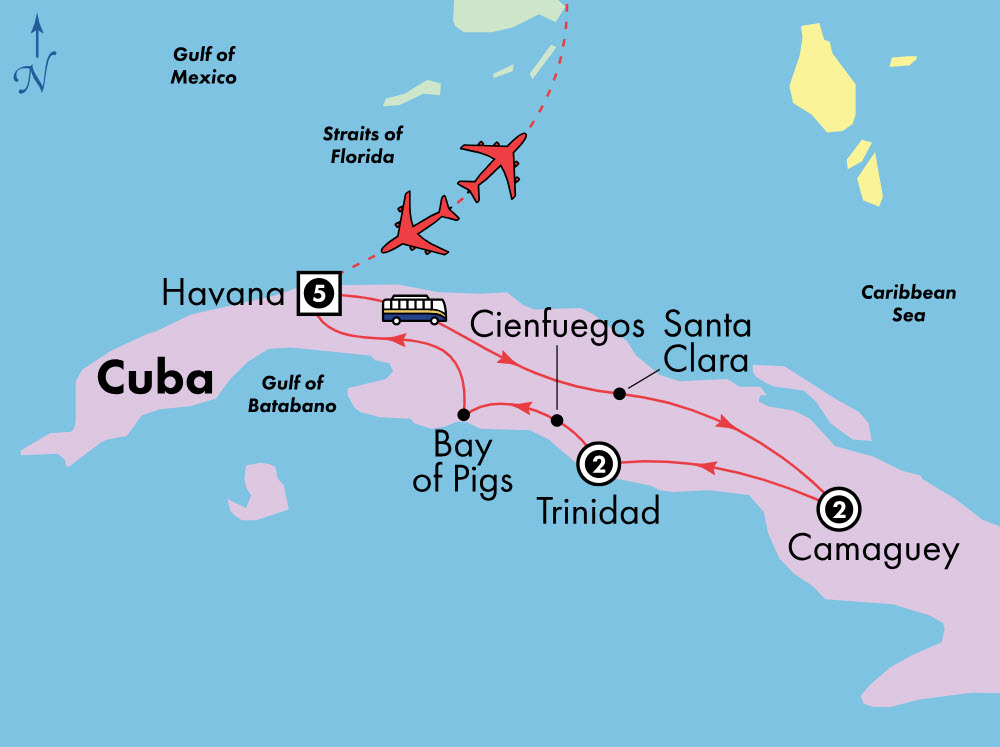
Tour Operator: Gate 1 Travel
Dates: March 8-17, 2025
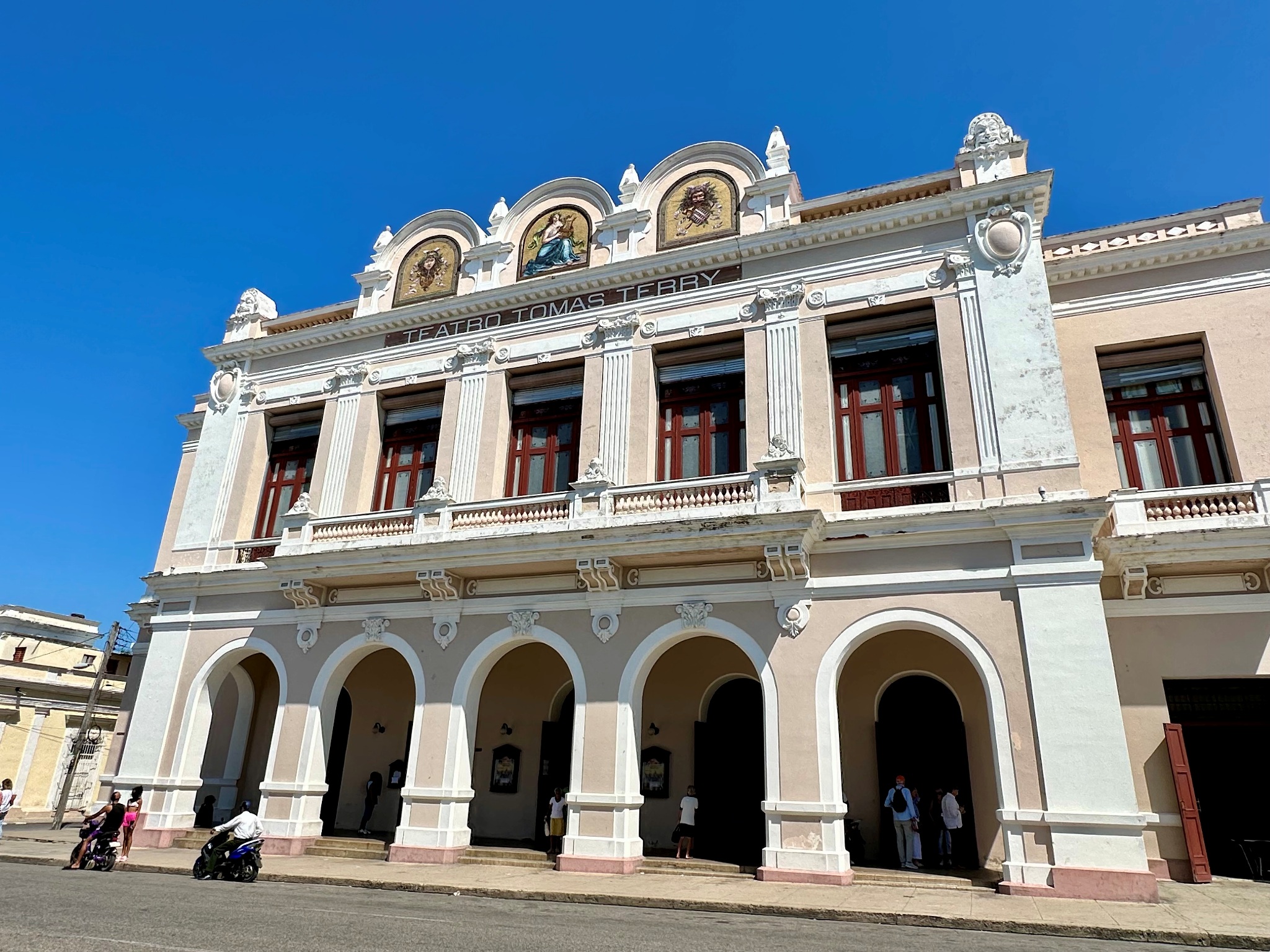
Below are a few more photos from the trip.

























 The Adventures of Dave