This summer I decided to travel to Mongolia, a place I have wanted to visit for years. In addition, I took a 6 day pre-trip to Seoul, South Korea. I flew business class from Atlanta to Seoul and was on the newest airplane in Delta’s fleet, an Airbus A350-900 painted with the US Olympic Team USA livery.

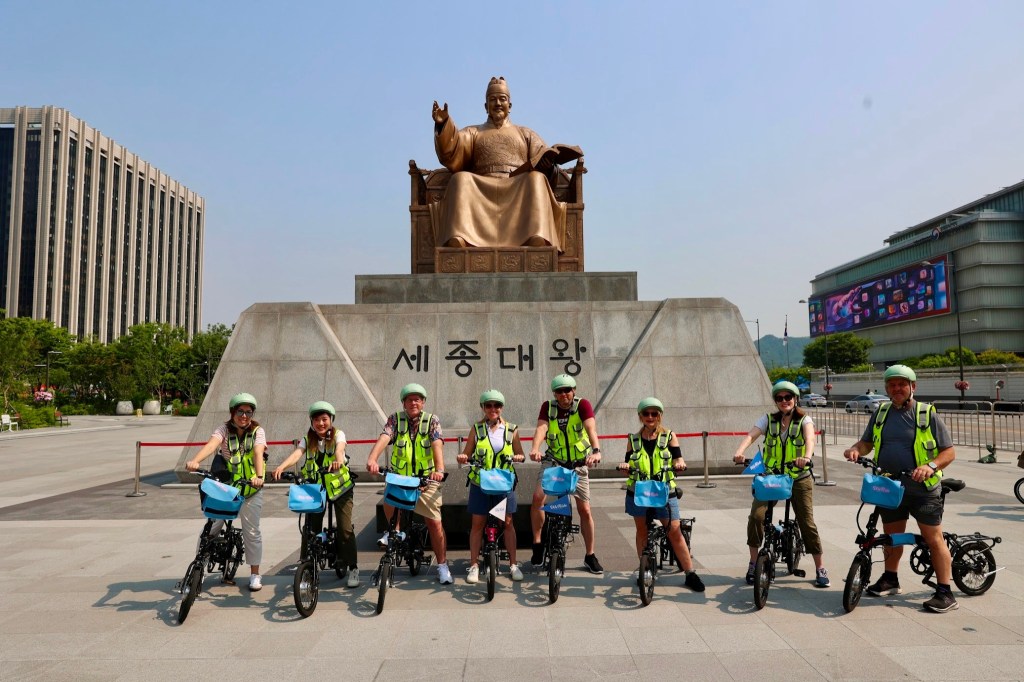
I arrived a day early in Seoul and took an e-bike tour of the city. It was really fun to ride these little bicycles and was able to see many sites not included on the pre-trip.
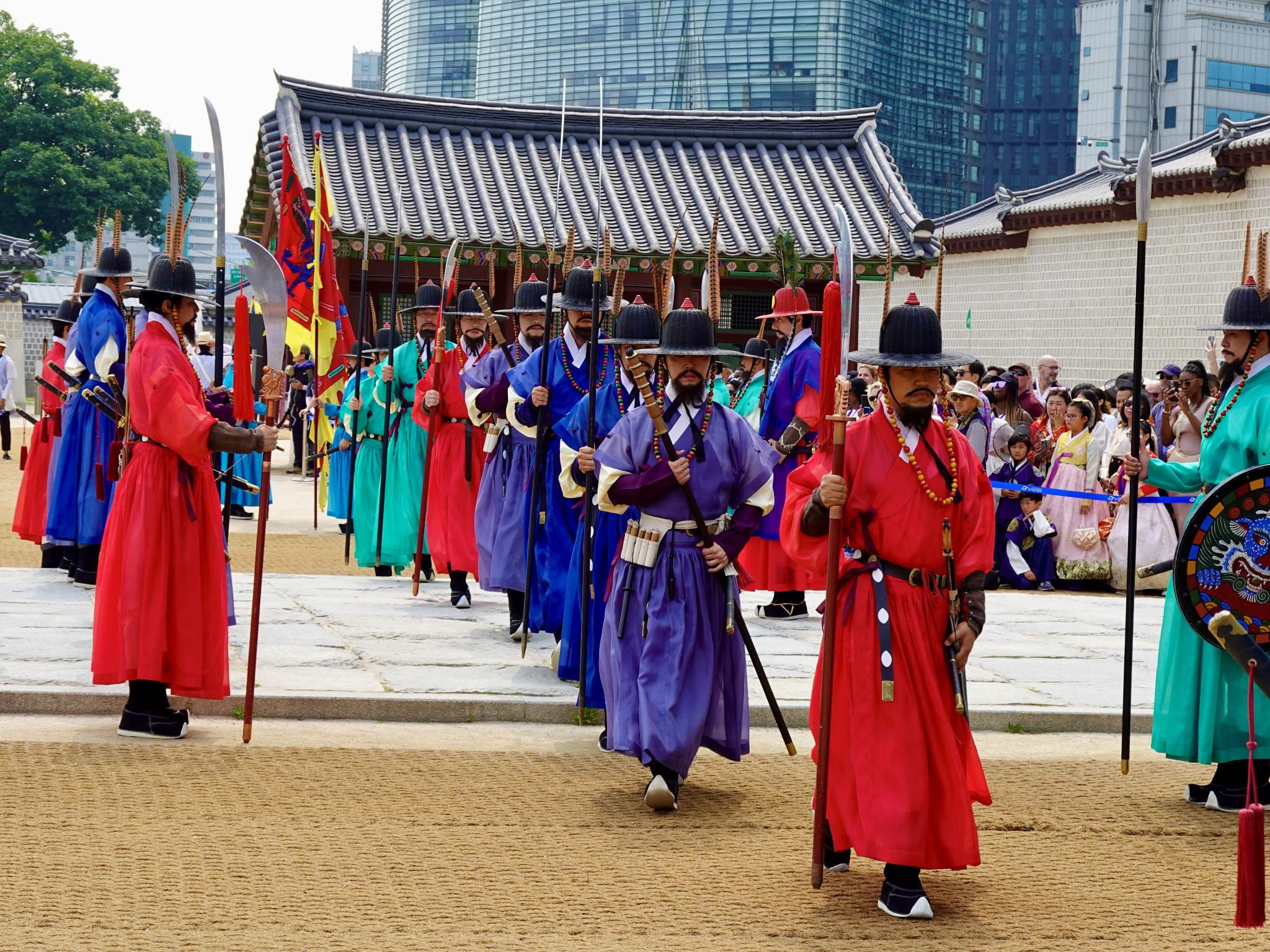
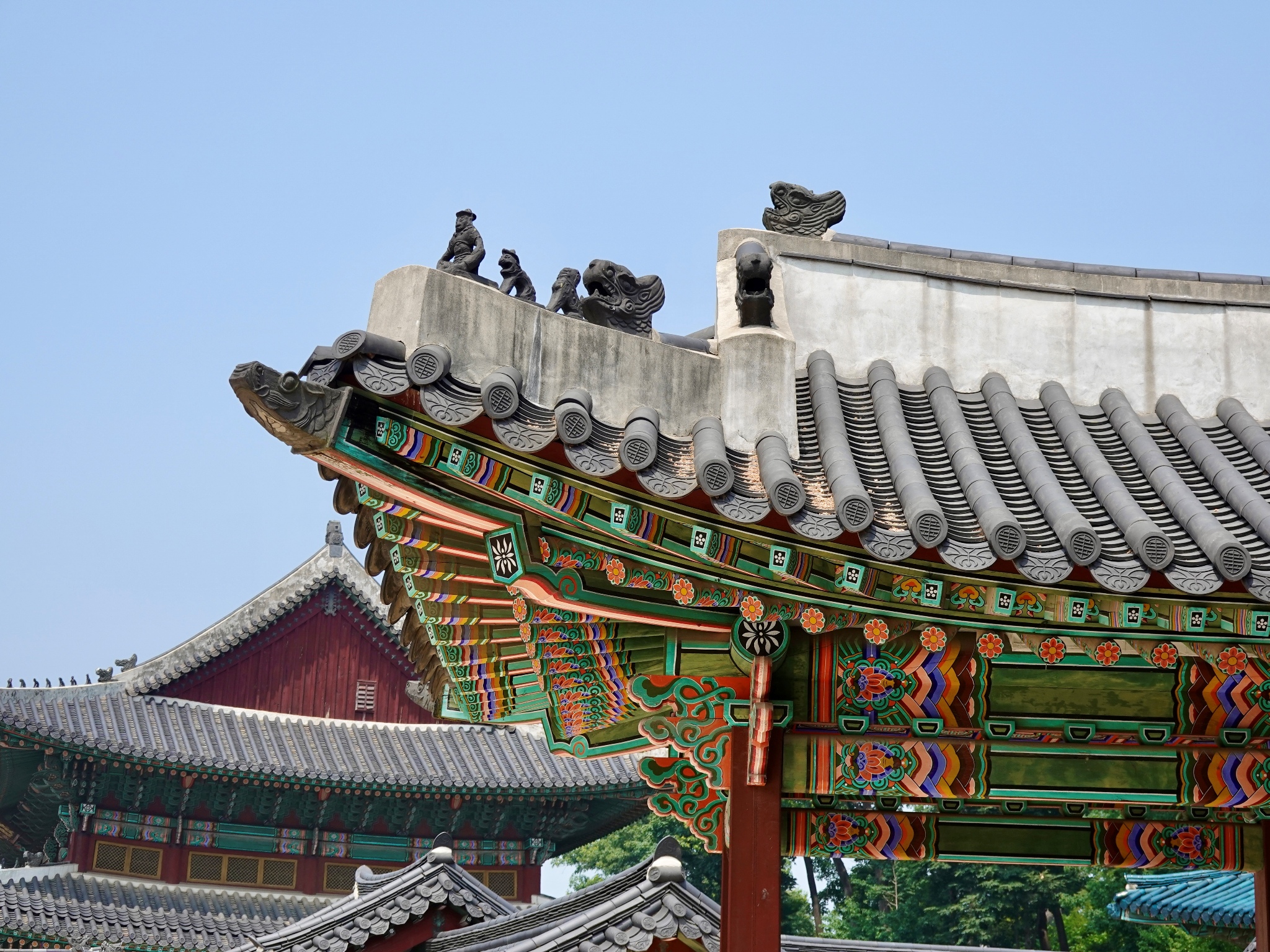
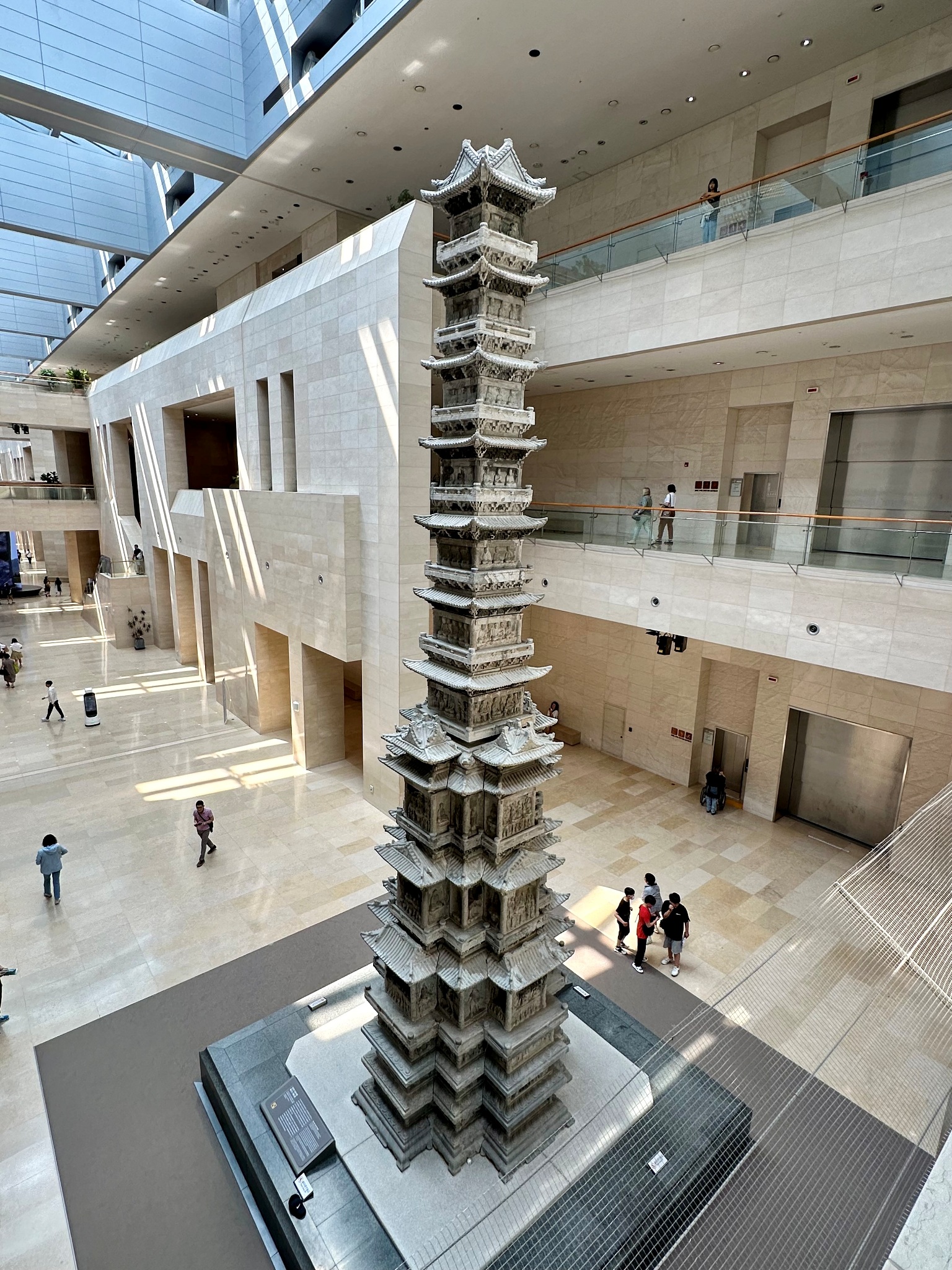
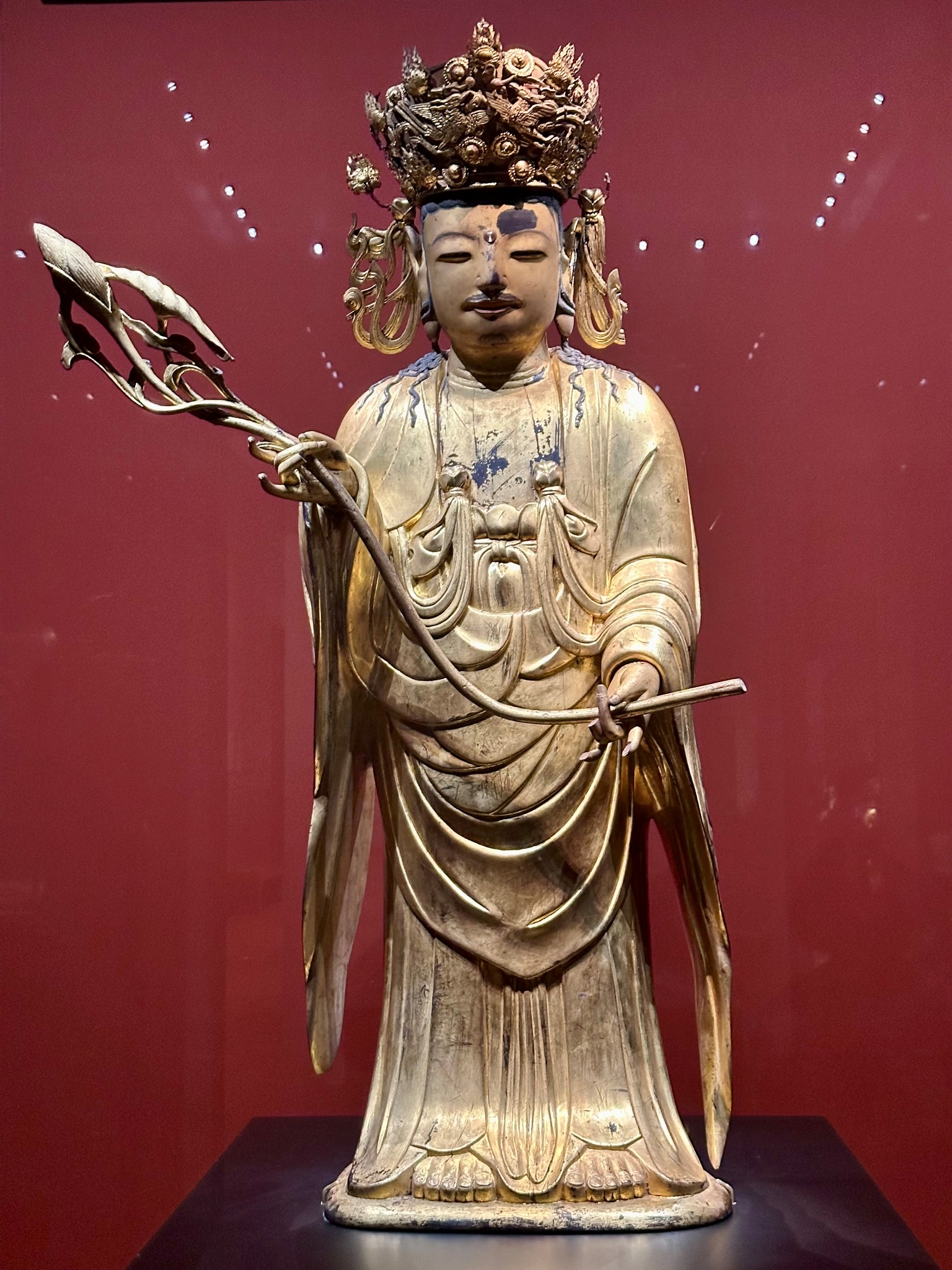
In Seoul we started with a visit to the Changdeokgung Royal Palace followed by a lunch of Korean Ginseng chicken Soup. That afternoon we visited the National Museum of Korea.
The next morning we departed early from the hotel to visit the DMZ (Demilitarized Zone) on the border with North Korea. We went to several locations there including walking through part of a tunnel built by North Korea that could be used to invade the South (no photos were permitted in the tunnel). South Korea has found several of these tunnels though more are believed to be out there.

After returning from the DMZ we met with a North Korean defector to learn her amazing story of courage and survival escaping to the South. She finally made it to freedom on her third attempt. Previously she had been caught in China, returned to North Korea and imprisoned. Her talk was made possible through a non-profit called Freedom Speakers International. For those who have PBS Passport or Amazon Prime, PBS recently released a great documentary, Beyond Utopia, capturing what life is like for refugees after escaping North Korea.

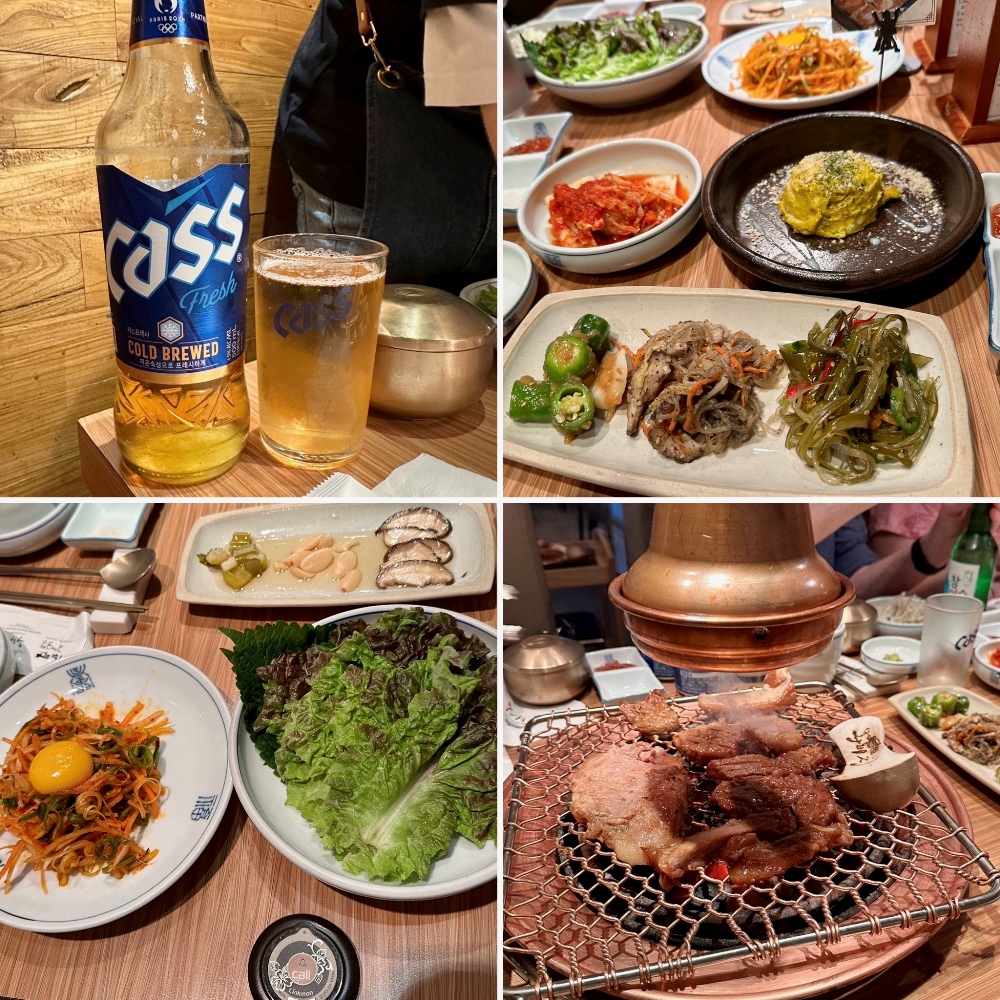
On a free day in Seoul I took an optional Korean cooking class. It was an interesting experience and the food was pretty good.

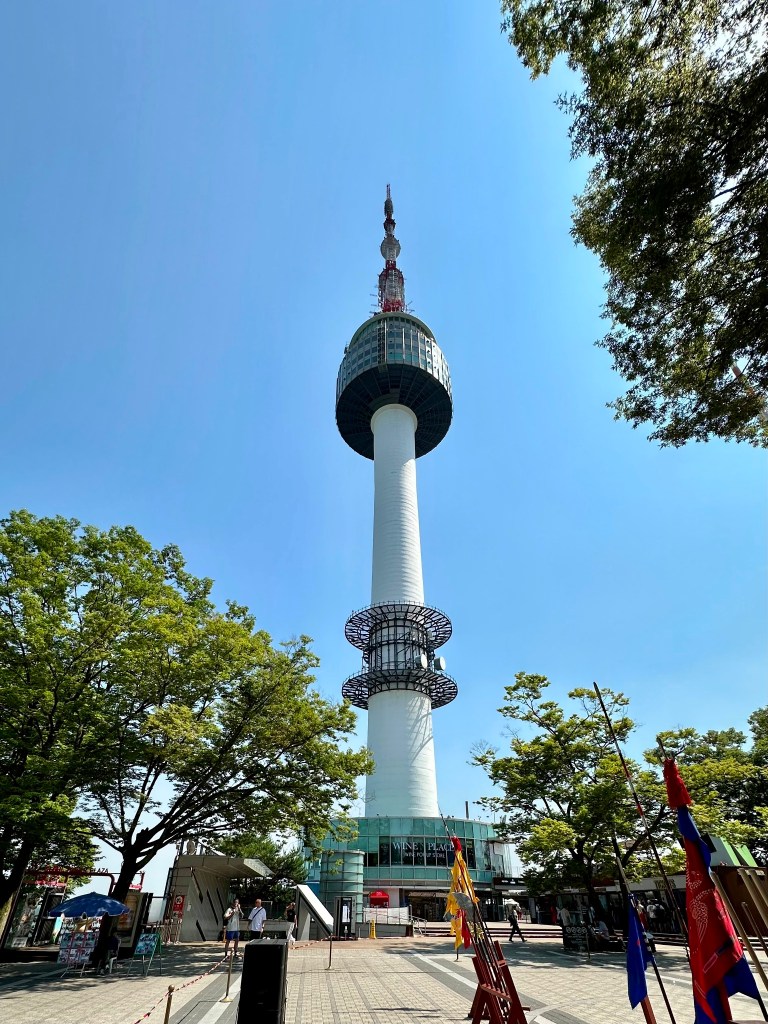
Later that afternoon we took a cable car to Namsan Mountain to get views of the city from the base of the Seoul Tower.
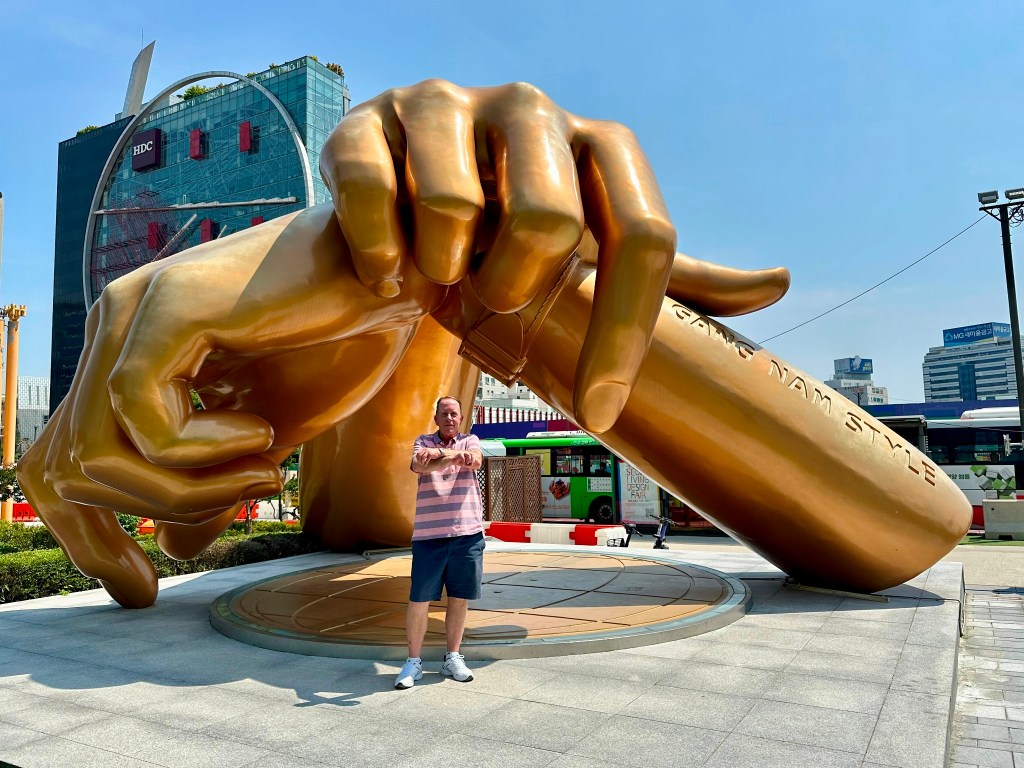
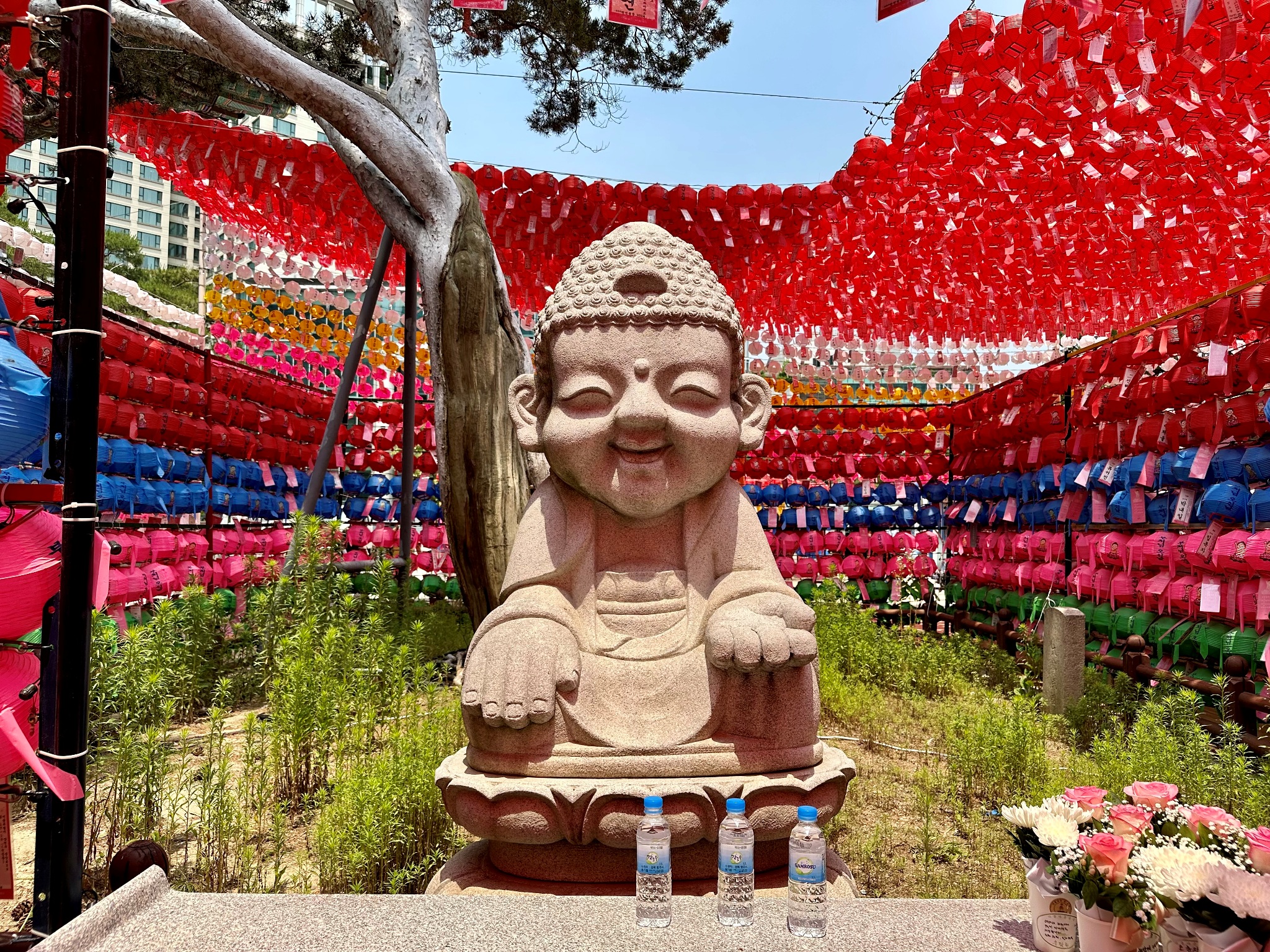
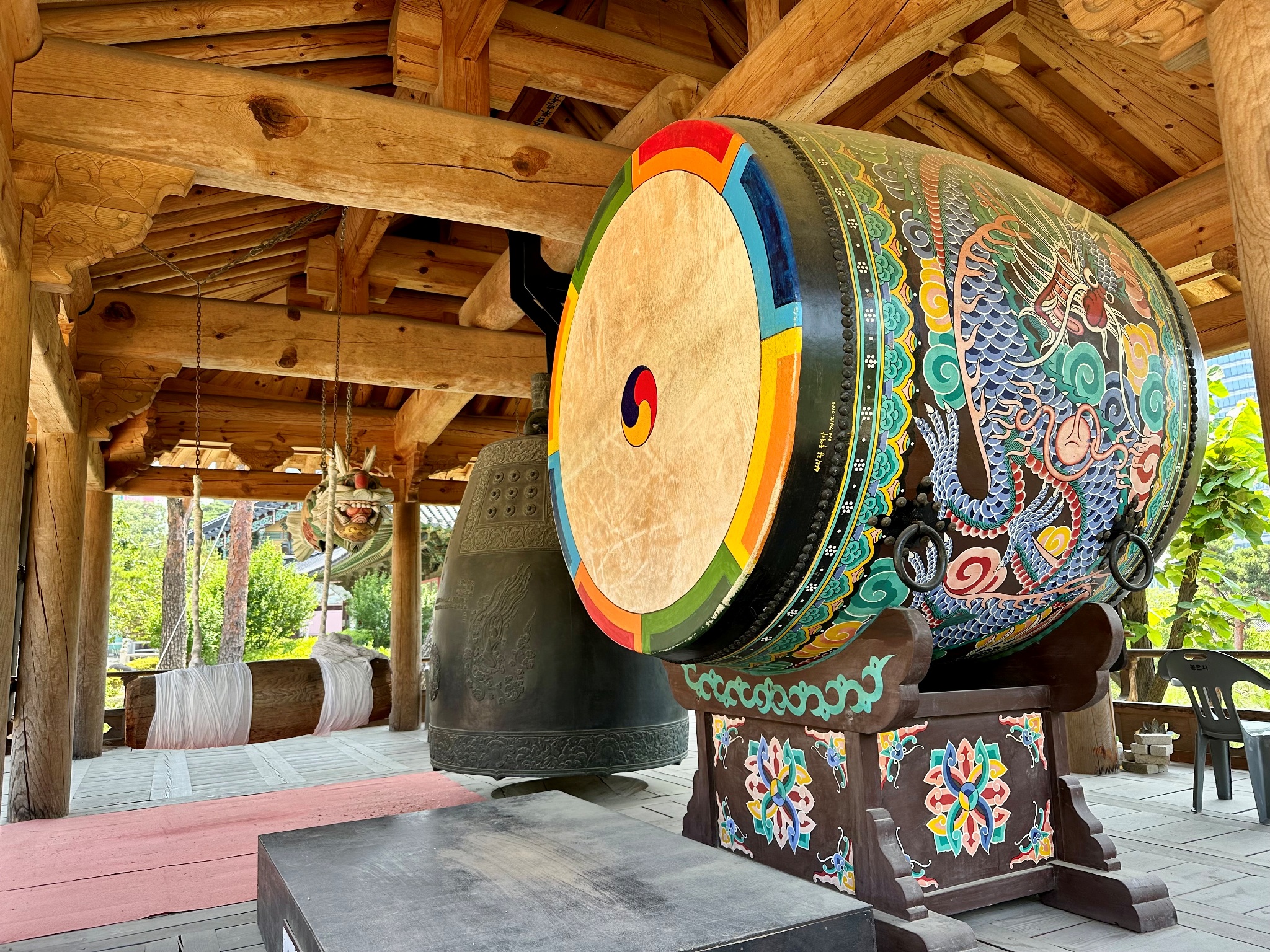
On our final day we visited the Bongeunsa Buddhist Temple, saw a giant Gang Nam Style sculpture, visited a fascinating mall with a huge “read while visiting only” library and finished the day with a cruise on the Han River.

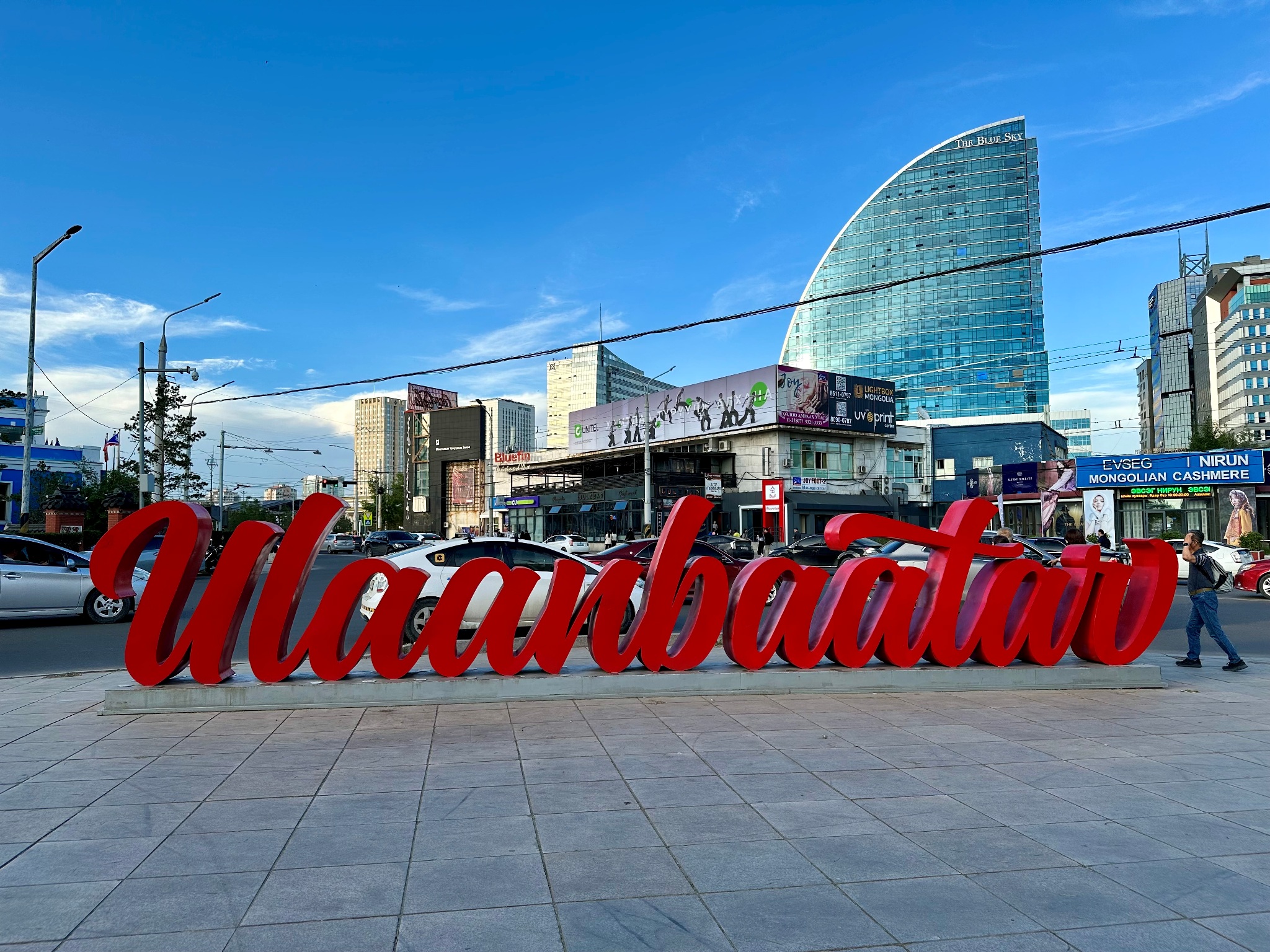
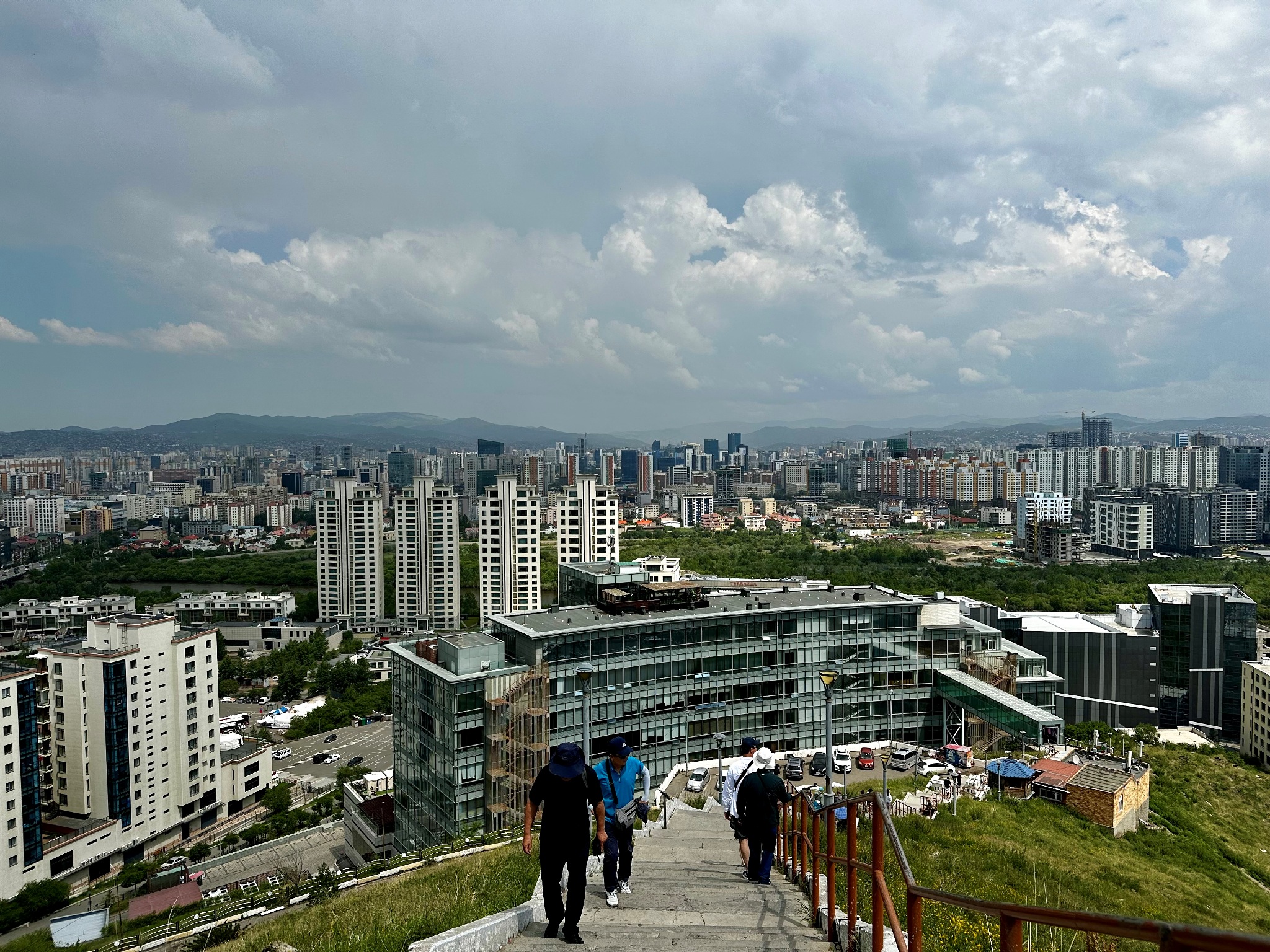
From Seoul we flew to Ulaanbaatar, the capital of Mongolia. Over 40% of Mongolia’s 3.4 million residents live in the capital.

Due to internal flight schedules and other logistical challenges we checked in and out of our Ulaanbaatar hotel 4 different times on the trip. It was located in the heart of the city, walking distance to many places we visited.
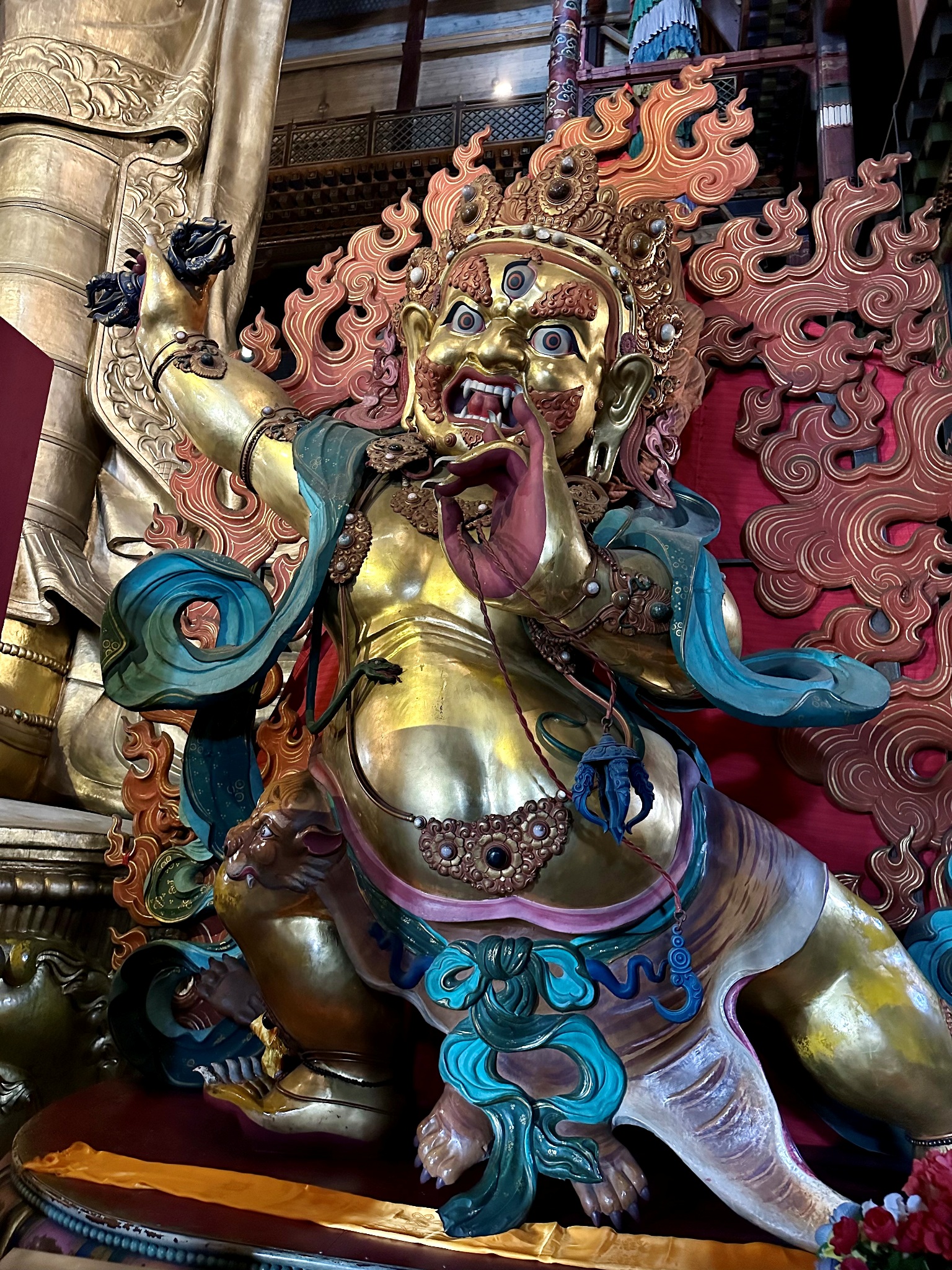
Our first full day in Ulaanbaatar we toured the Gandan Monastery, met with a local Buddhist monk and later visited the Mongolian National Museum.

The traffic in Ulaanbaatar was insane. Due to poor urban planning and massive growth in recent years we experienced traffic jams everywhere we went.
Ulaanbaatar is a safe place to be. The only major danger/annoyance were the very talented pickpockets. Whenever we were somewhere they might be our trip leader, Damidaa, would use the code-word “popcorn” to alert us…”There may be popcorn here”, he would say.

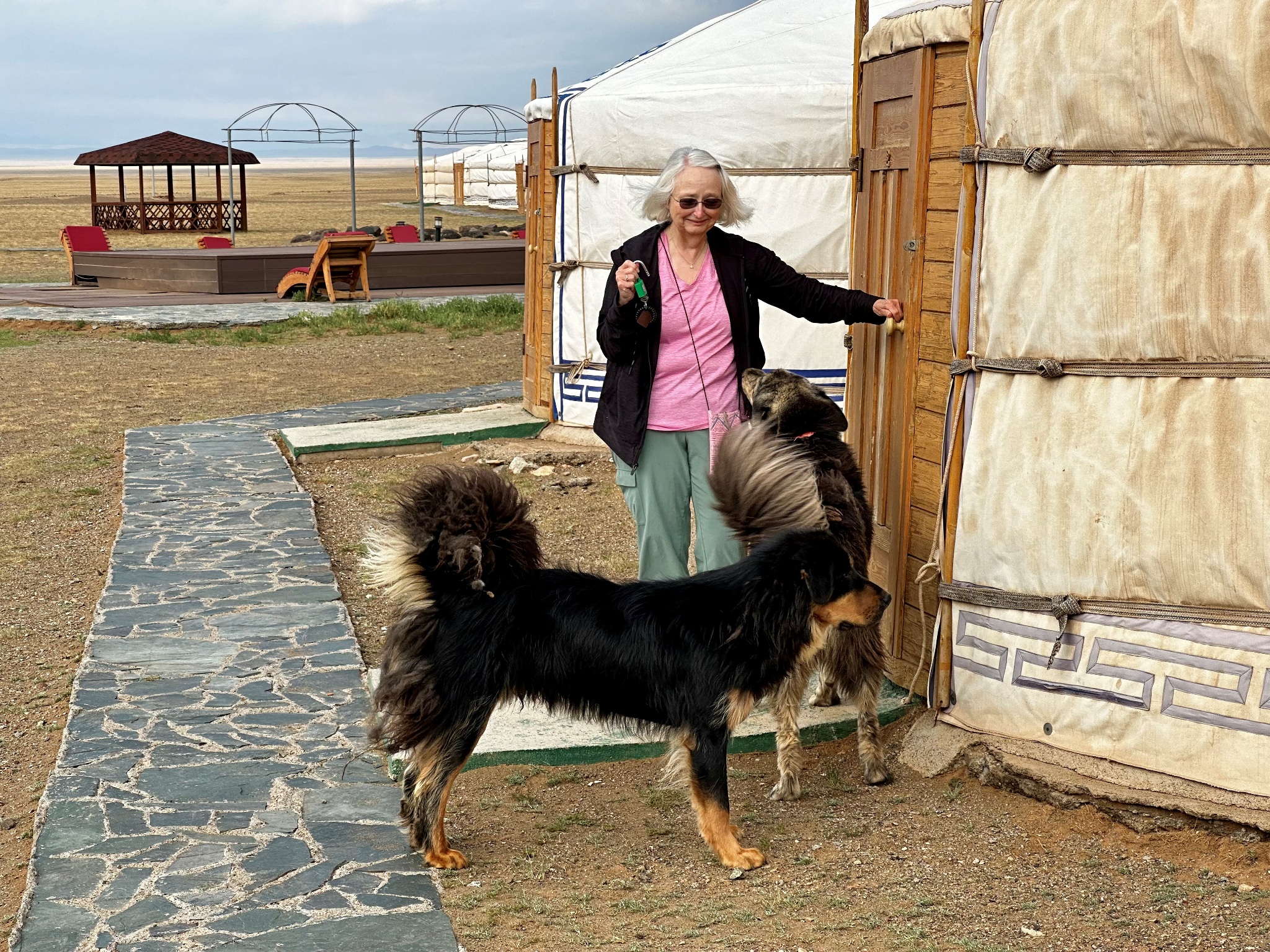
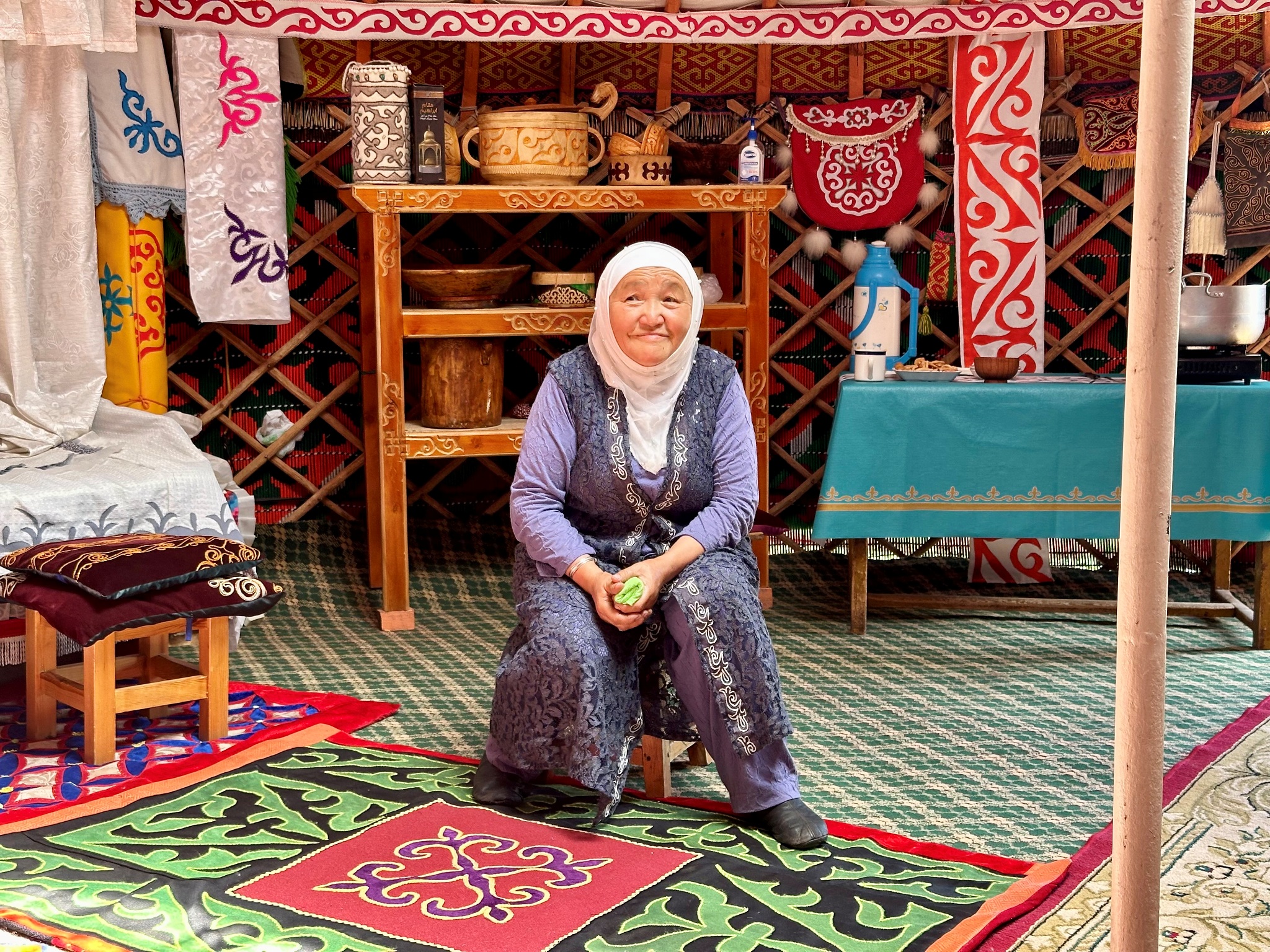
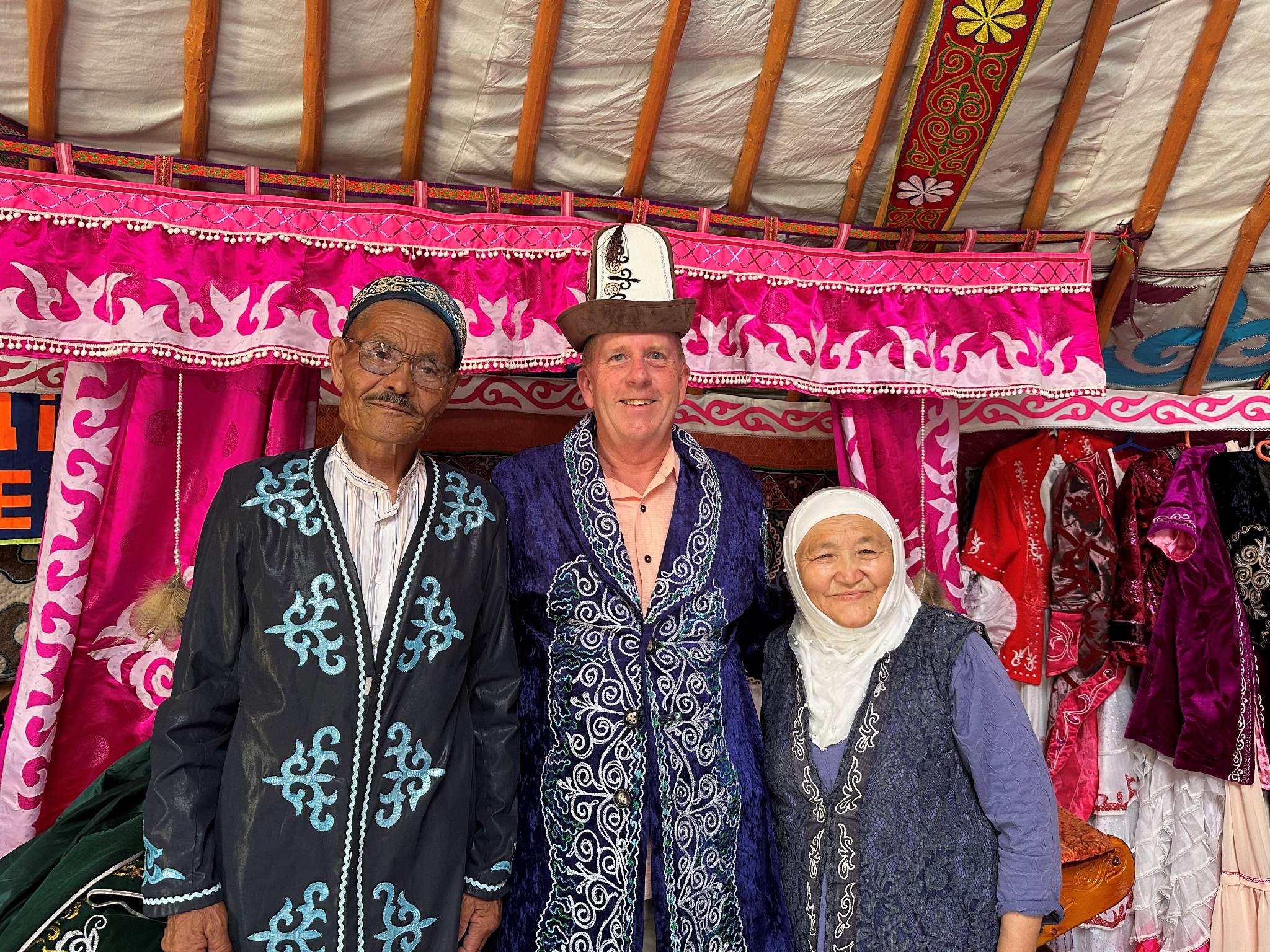
The next day we headed out to Gorkhi-Terelj National Park for 3 nights. On the way we visited and had lunch with a Kazakh family. In Gorkhi-Terelj we experienced our first Ger lodge. The correct name for the Mongolian nomadic dwelling is Ger. “Yurt” is a Russian word for what the Mongolian people call Ger.
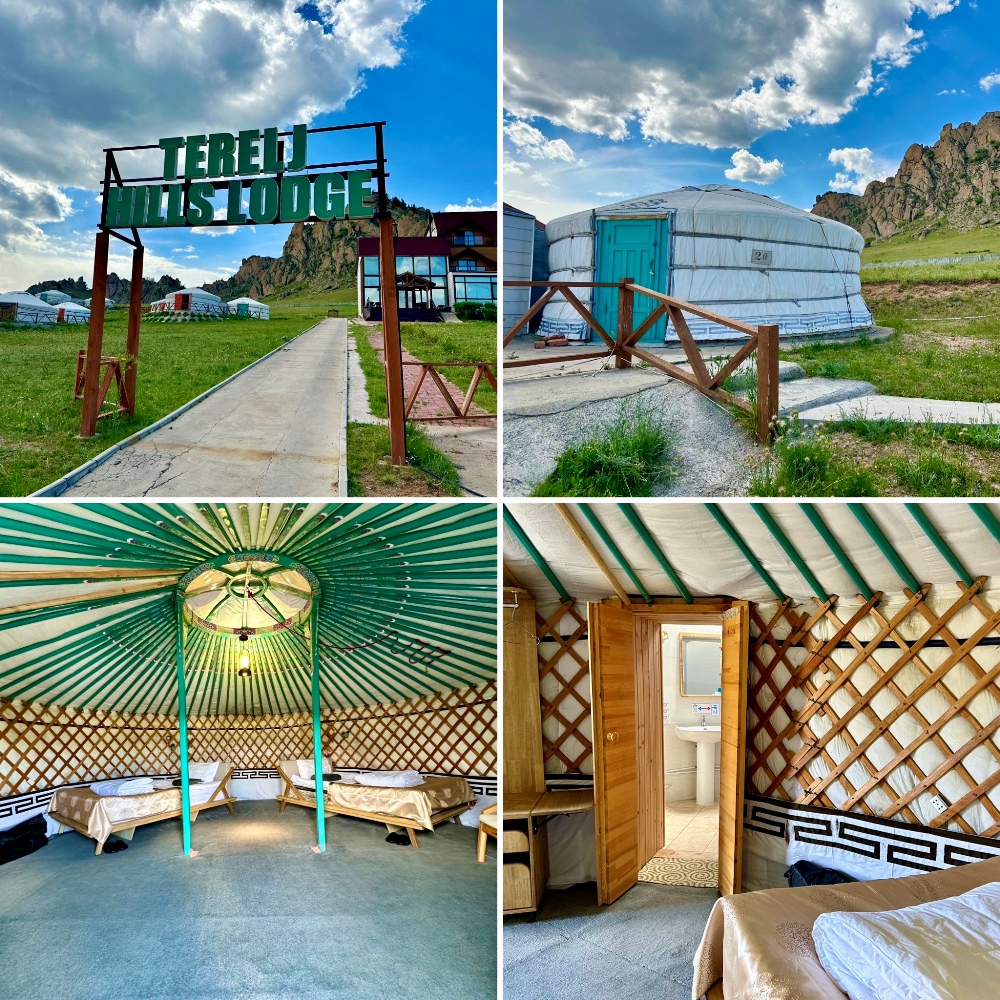
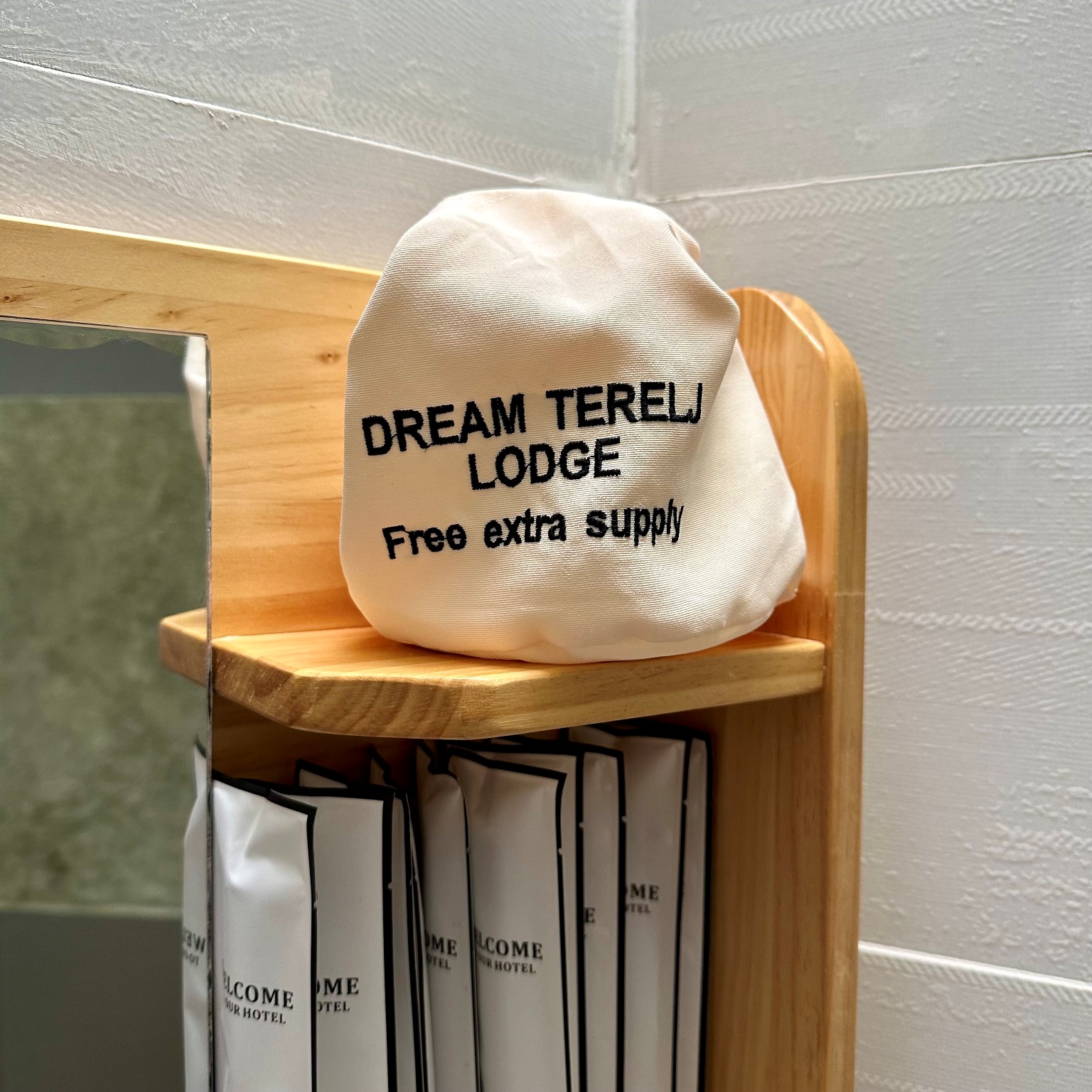
I loved the signs for cleaning.

The landscape in Gorkhi-Terelj National Park looked much like Colorado. Our first visits were a hike to the Aryabal Meditation Temple and later a photo stop at Turtle Rock. The turtle rock formation is 79’ tall.

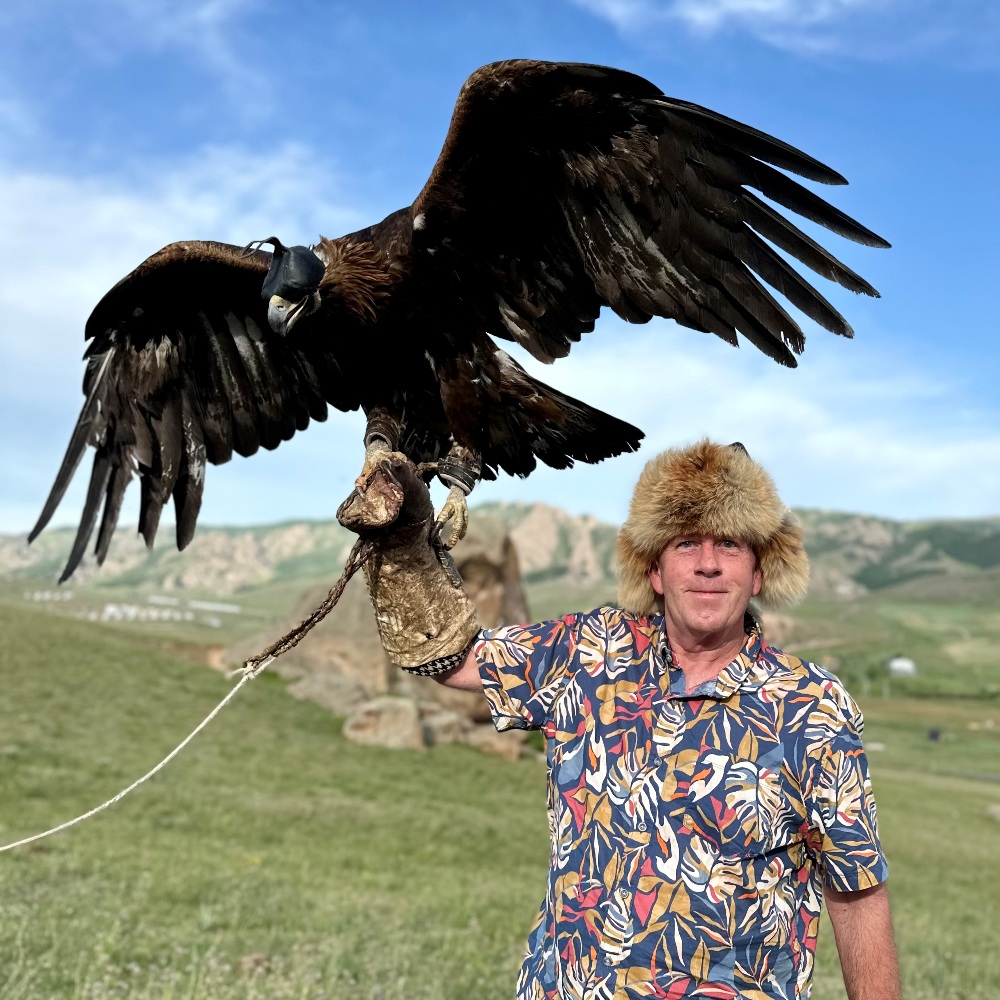
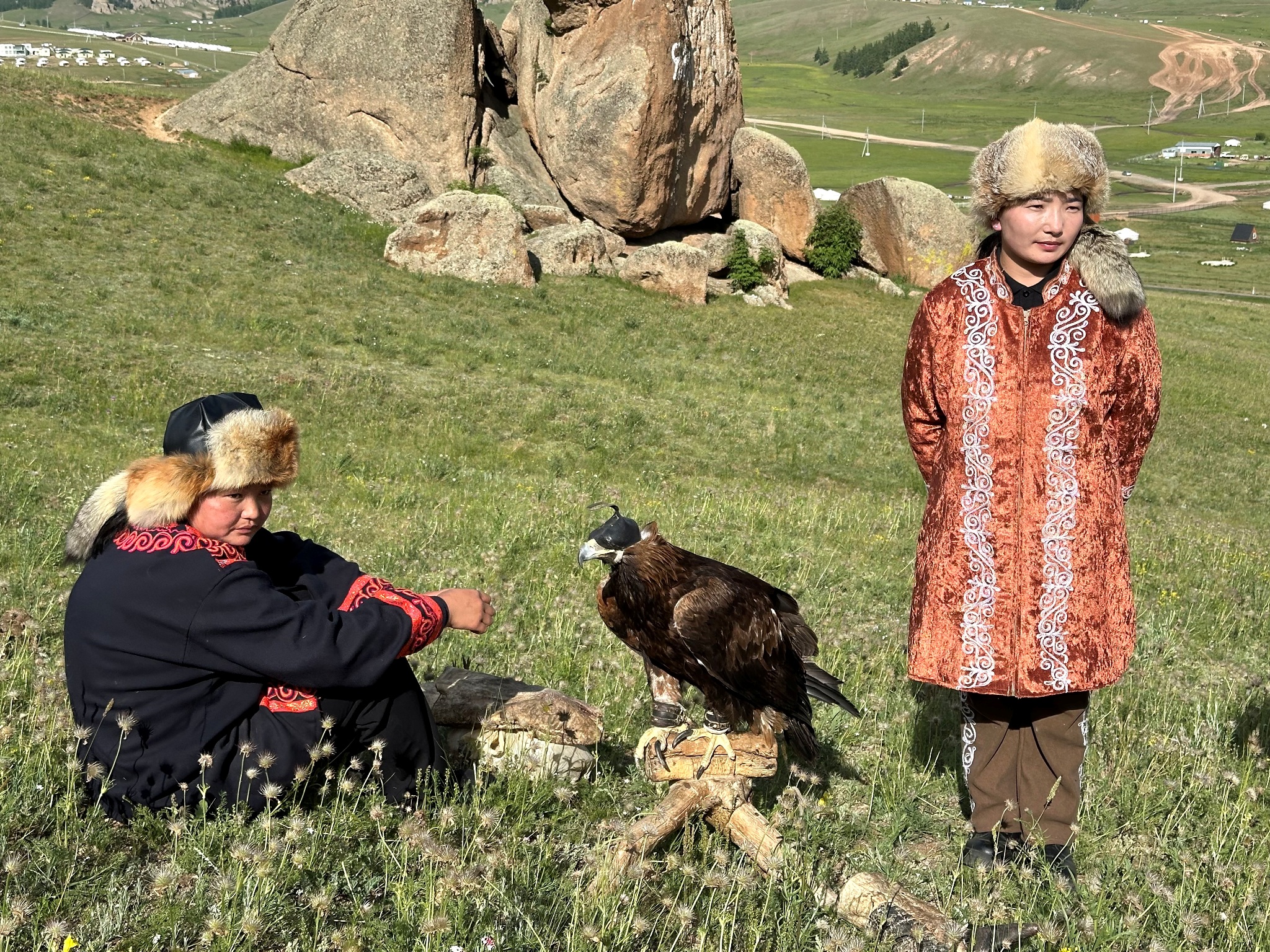
Before dinner at our lodge we had the opportunity to have a demonstration from an Eagle Huntress from far western Mongolia. Central Asian hunters enlist the help of highly trained golden eagles to locate prey like foxes, hares, even wolves.

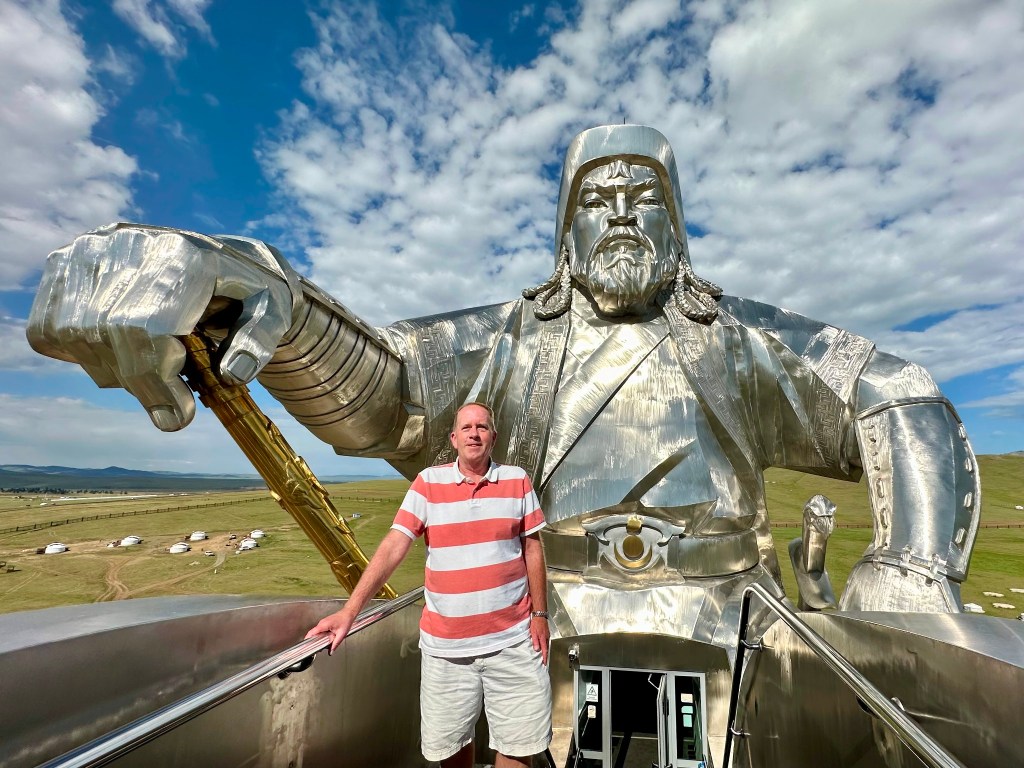
Leaving Gorkhi-Terelj National Park we returned to Ulaanbaatar. On the way we stopped at the Chinggis Khaan Statue Complex. The name “Genghis” was introduced into English during the 18th century based on a misreading and/or translation error of the original pronunciation.

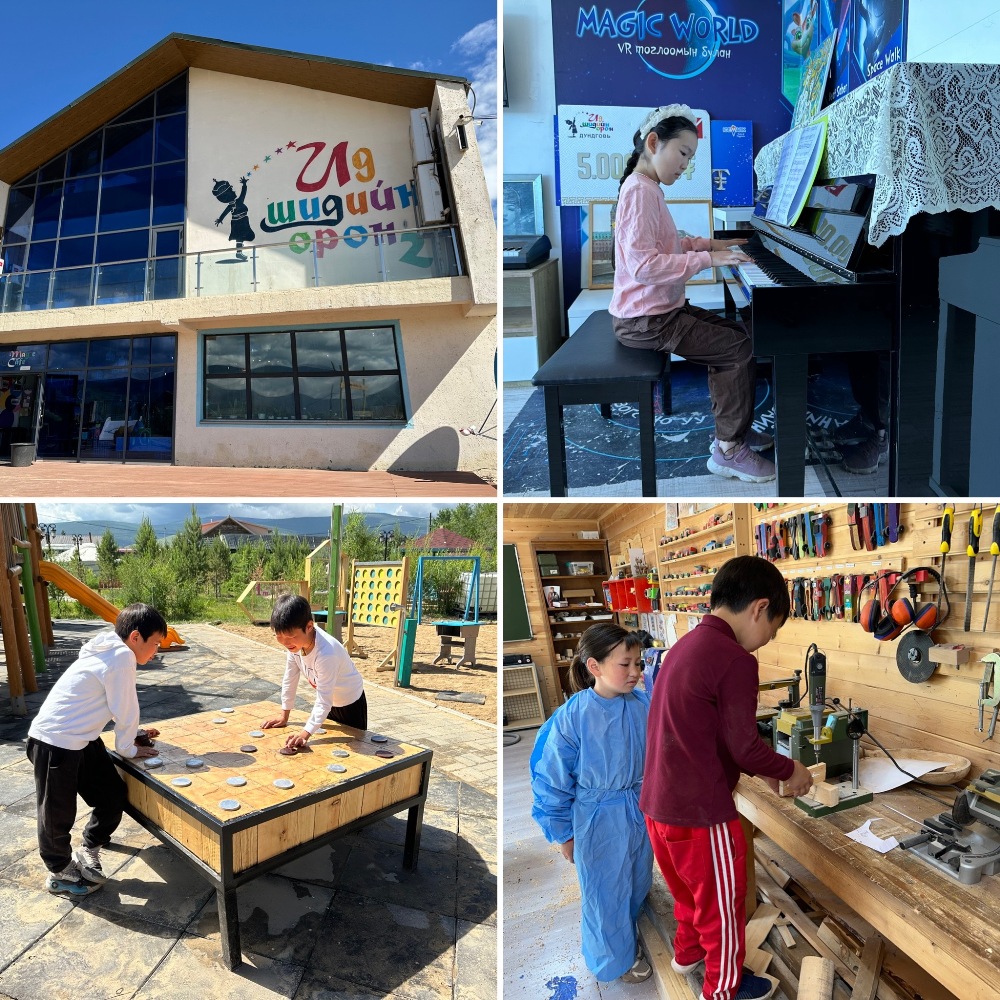
Before we arrived at our hotel we visited Magic Mongolia Child Protection and Development Center in Ulaanbaatar, supported in part by my tour company’s foundation. Magic Mongolia’s mission is to raise awareness about human trafficking, domestic abuse for women and children, and protecting children against violence and abuse. The Grand Circle Foundation sponsored a science classroom and science playground at this facility. Most children are on summer vacation though they offer classes and activities year-round.
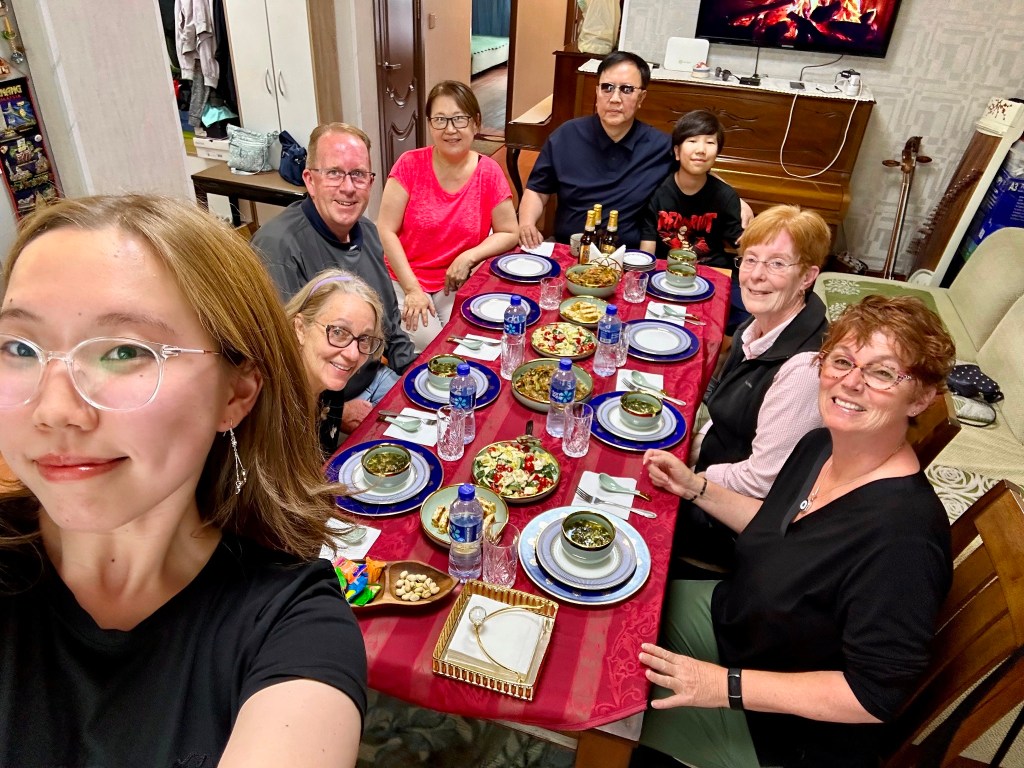
Back in Ulaanbaatar we had a wonderful home-hosted dinner with a local family. Their children spoke excellent English though they use these dinners as an opportunity for their children to practice even more. Their daughter just graduated high school and hopes to get into medical school. Their son just finished 7th grade.
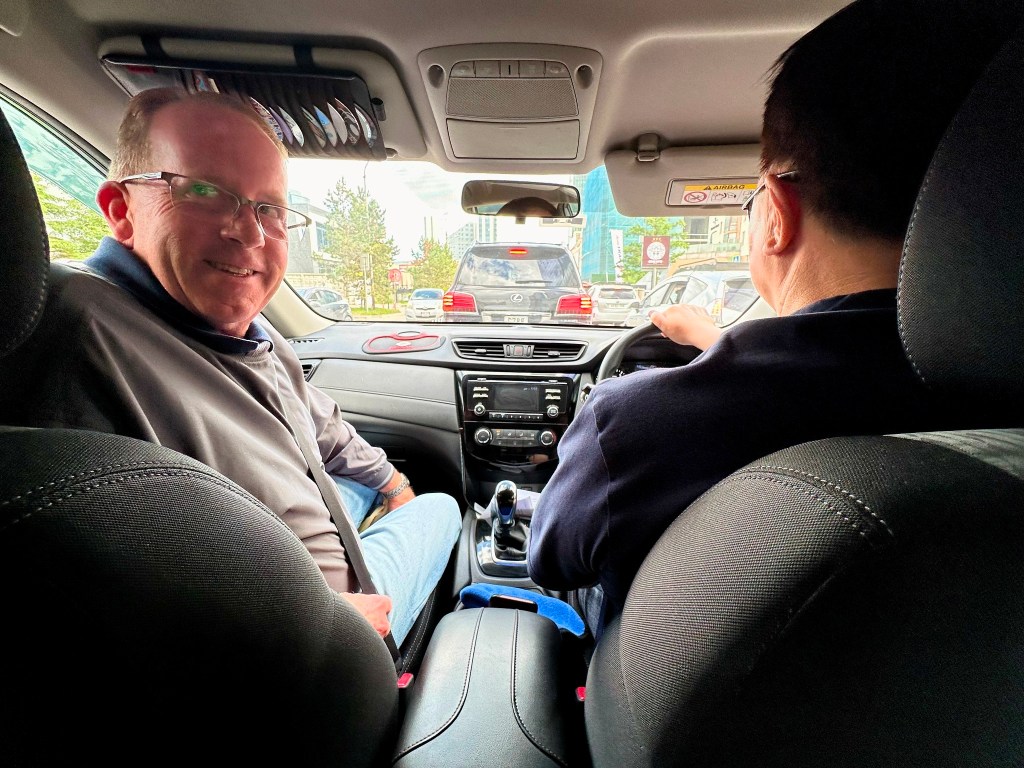
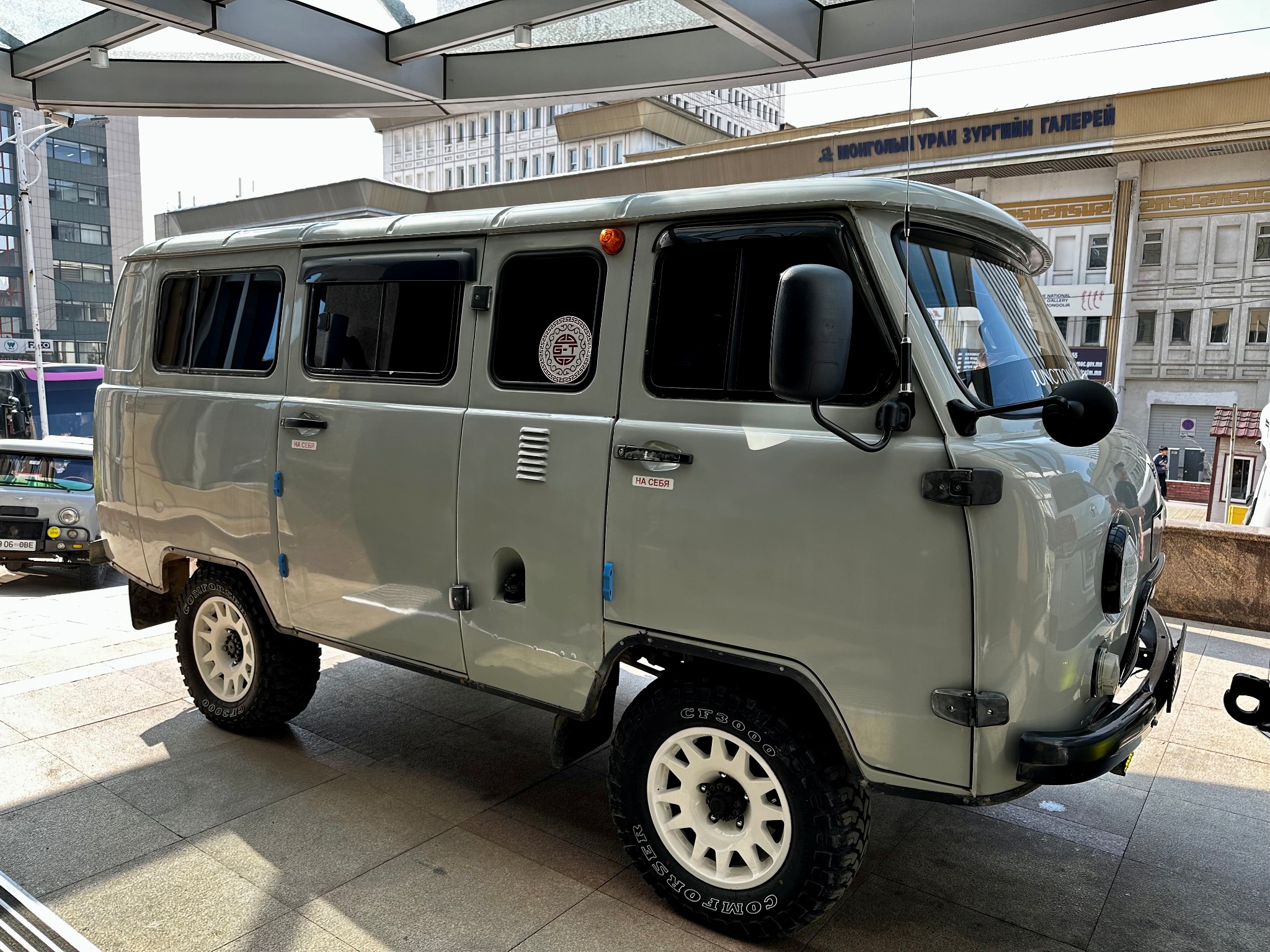
Mongolia Fun Fact: Mongolians drive on the right side of the road but about half the cars here are used right-hand drive cars imported from Japan. The hottest car is the Toyota Prius.
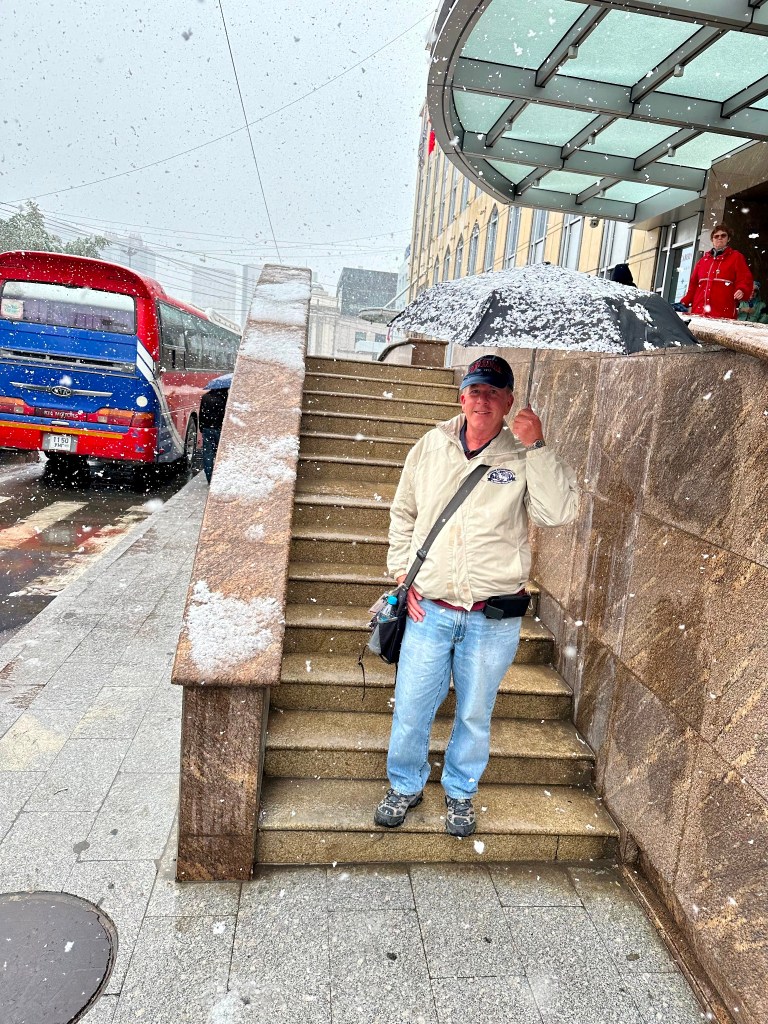
While I wore shorts on most of the trip the weather did have its ups and downs. On our second time in Ulaanbaatar it snowed!

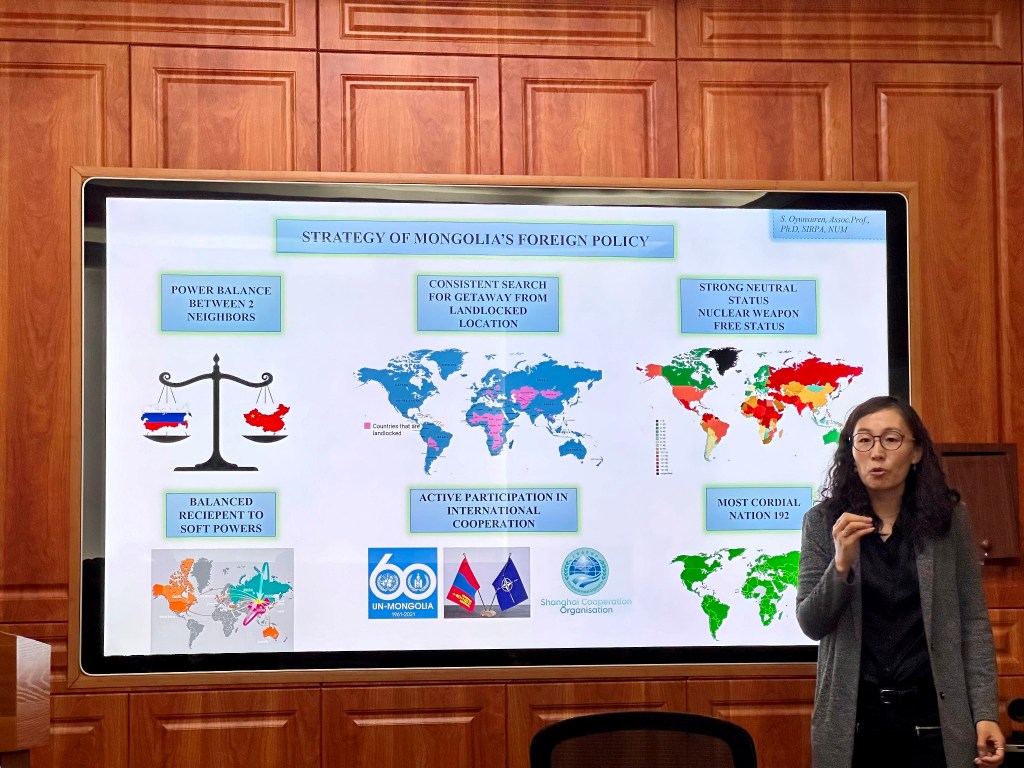
We had a fascinating lecture and discussion with a professor at Mongolia National University regarding Mongolian foreign affairs and the challenges they face being landlocked between, and heavily dependent upon, Russia and China for many goods and services.
Our next visit was to the Egshiglen Musical Instrument factory. They primarily manufacture the traditional Mongolian horse head fiddle.

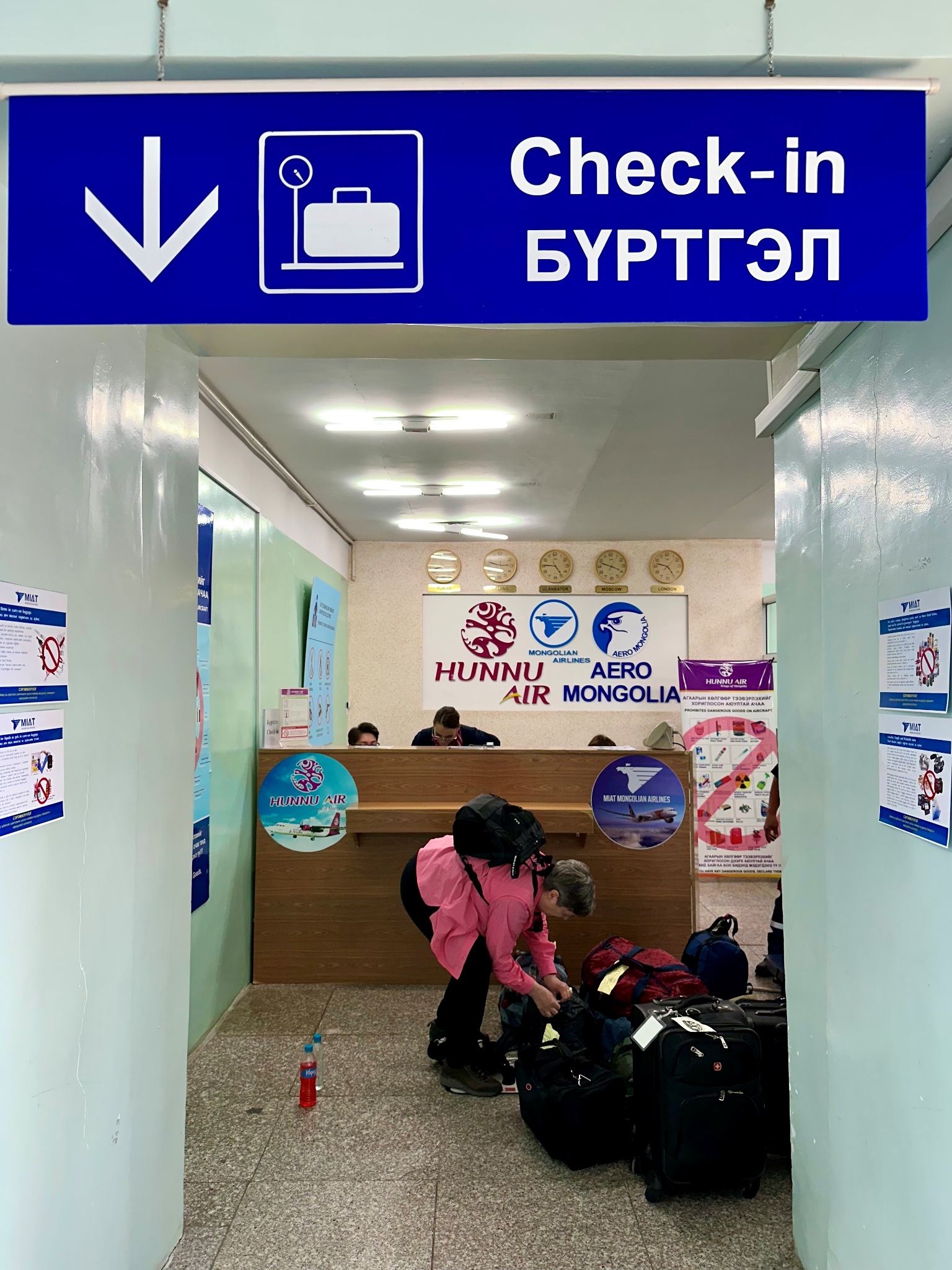
Next we took a short flight to Moron (Mörön/Murun) in northern Mongolia. Murun has a tiny airport, though for this and our other internal flights we flew on 70 – 100 passenger Bombardier or Canadair regional jets.


After lunch in Murun, we headed off-road to see some Deer Stones near Erkhel Lake. The deer stones are part of a pastoral tradition of stone burial mounds and monumental constructions that appeared in Mongolia and neighboring regions during the Bronze Age (ca. 3000–700 BCE).
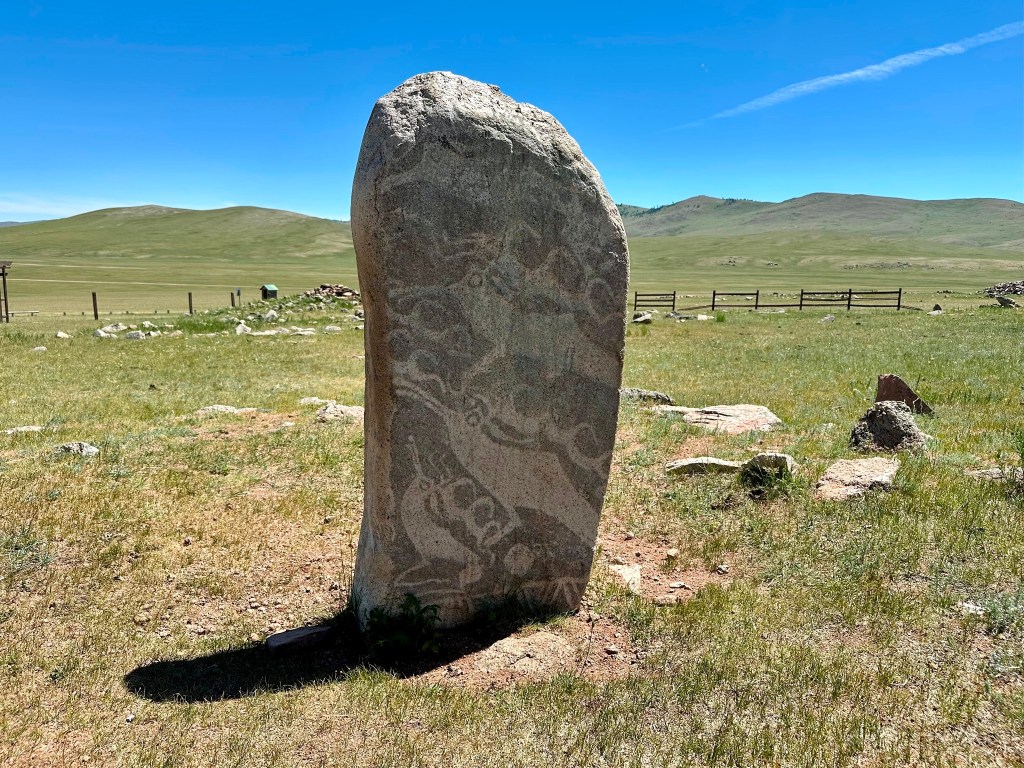
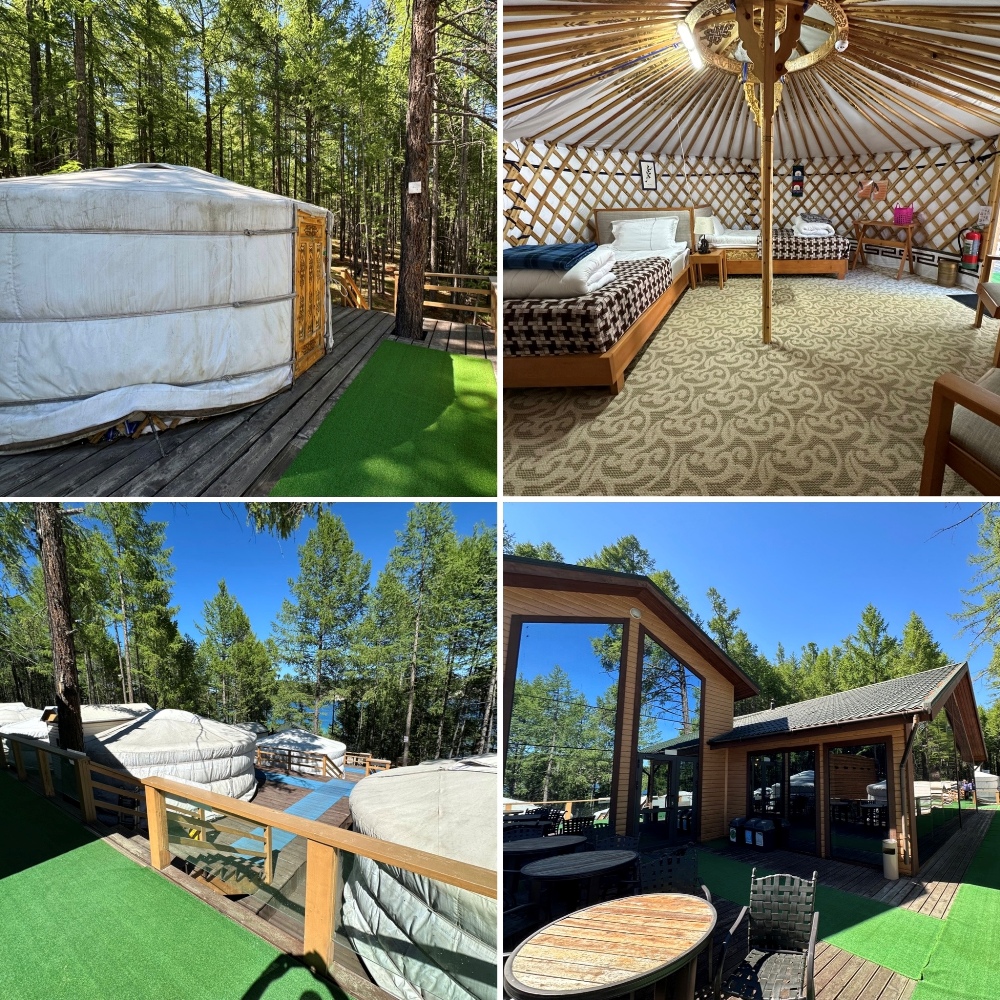
After a 1-2 hour drive we arrived at our next Ger camp next to Lake Khövsgöl, the largest freshwater lake in Mongolia by volume. Though it looked to be in the pines, the trees there are larch. Larches are deciduous conifers.
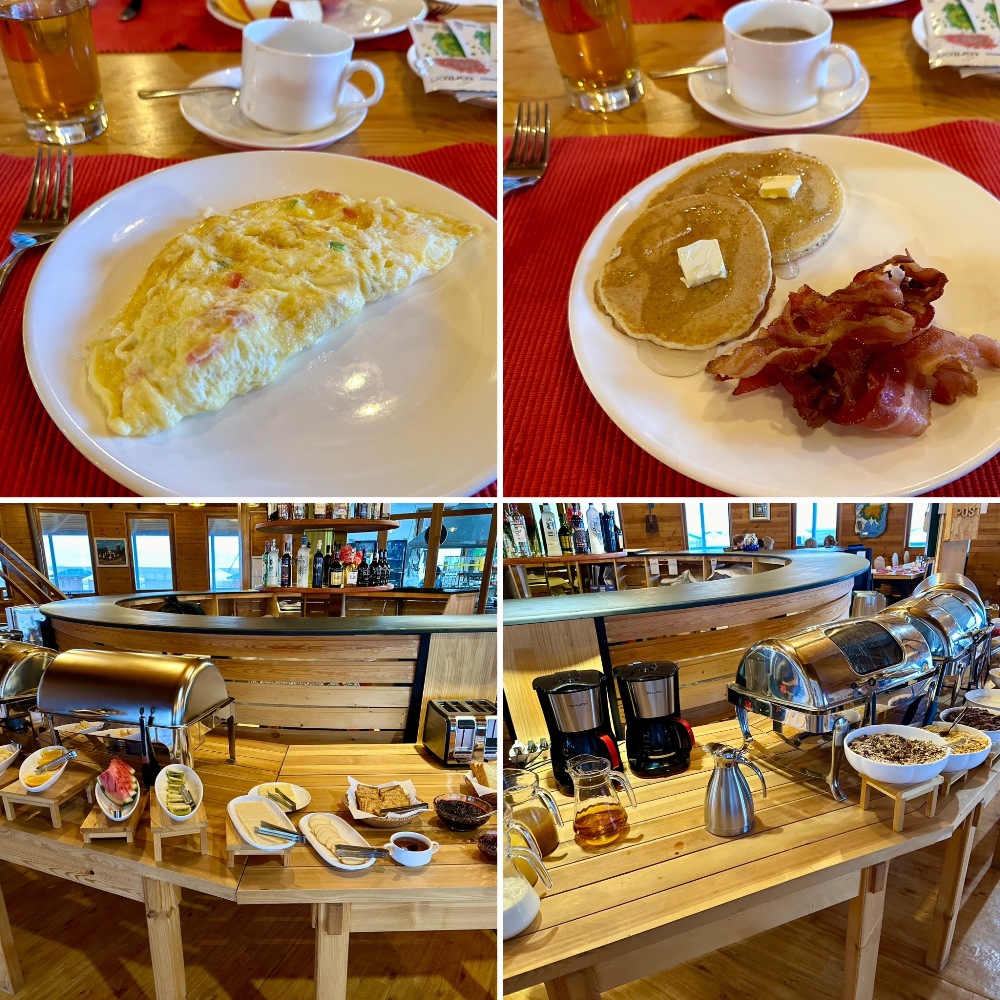
All three of our Ger camps had wonderful meals with several options offered for lunch and dinner. Each morning they had a full breakfast buffet with made-to-order eggs/omelets, bacon, pancakes, fruit, cereal, etc. During the trip I tried Yak and Camel steak for dinner. The Yak was pretty good though I wasn’t a fan of the camel.
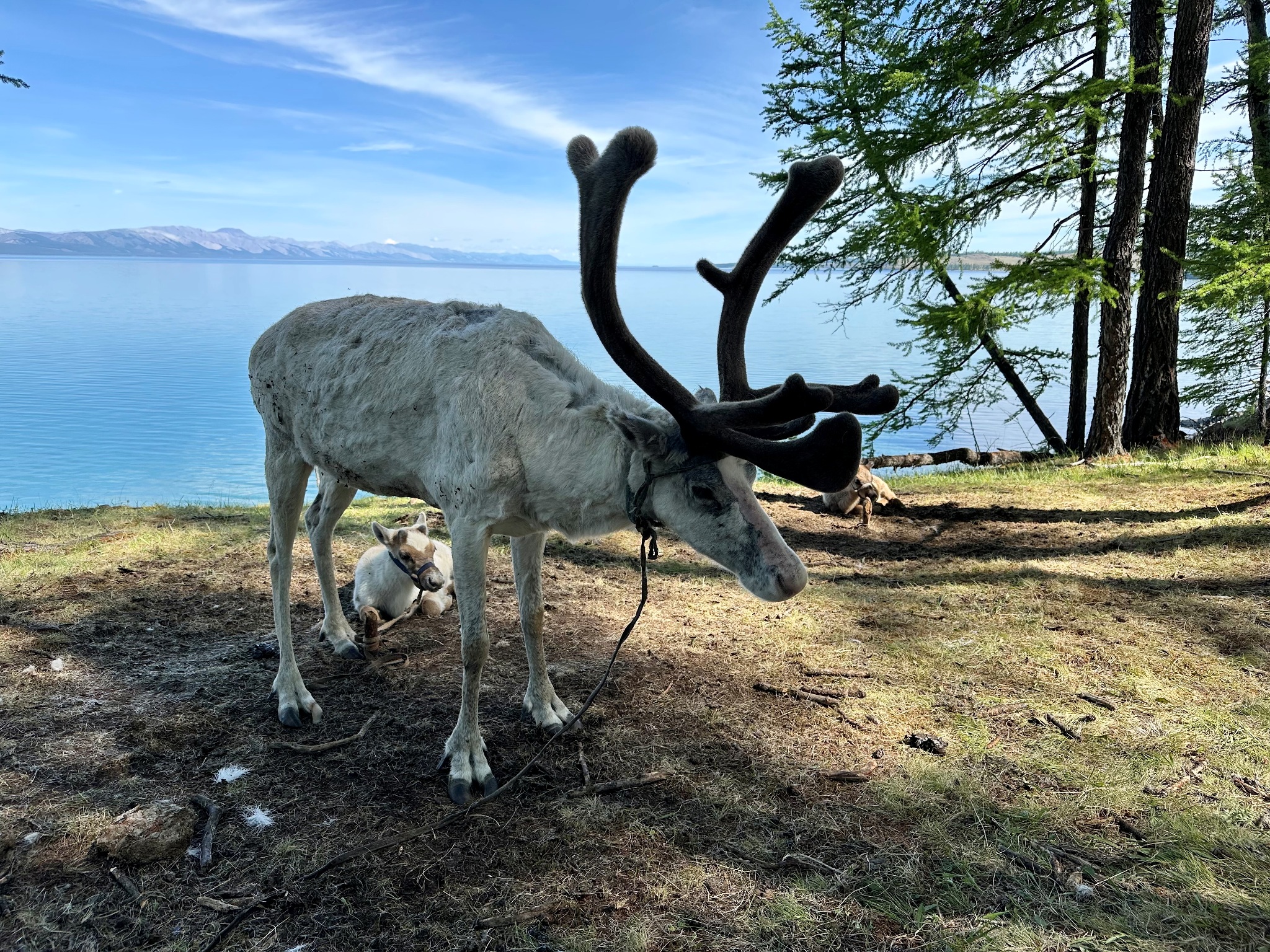
At Lake Khövsgöl we headed out on motorboats to visit a reindeer breeding family. After our visit we had a photo op with some of their animals.


One day we learned about Mongolian shamanism from female shaman at Lake Khövsgöl.

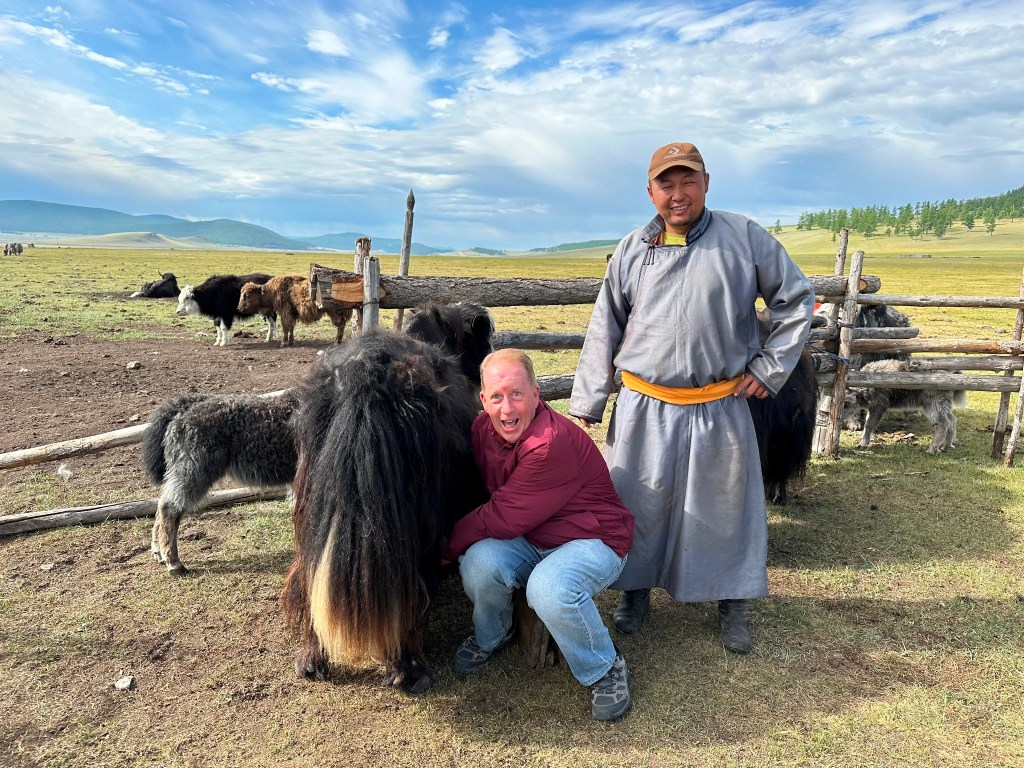
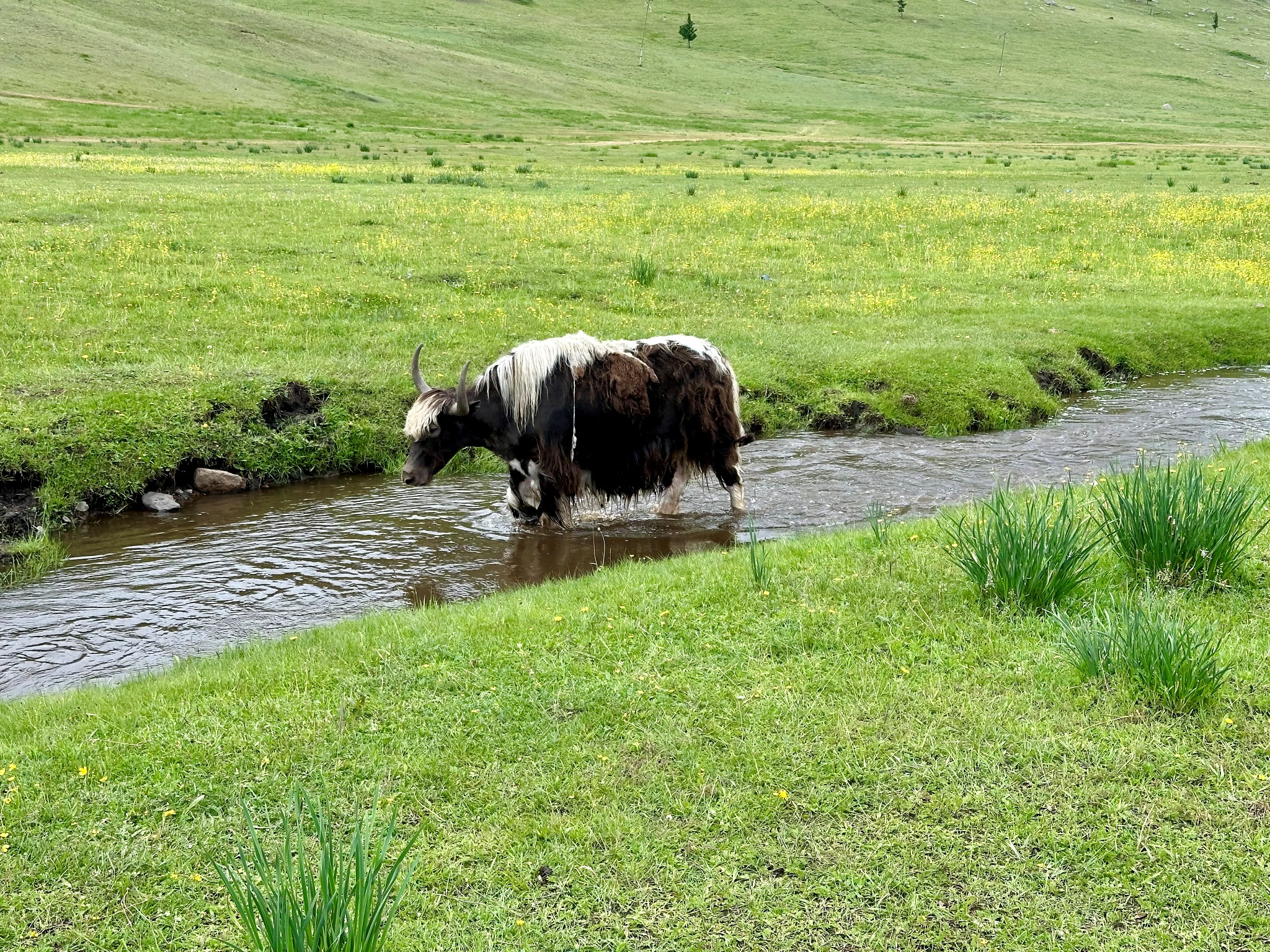
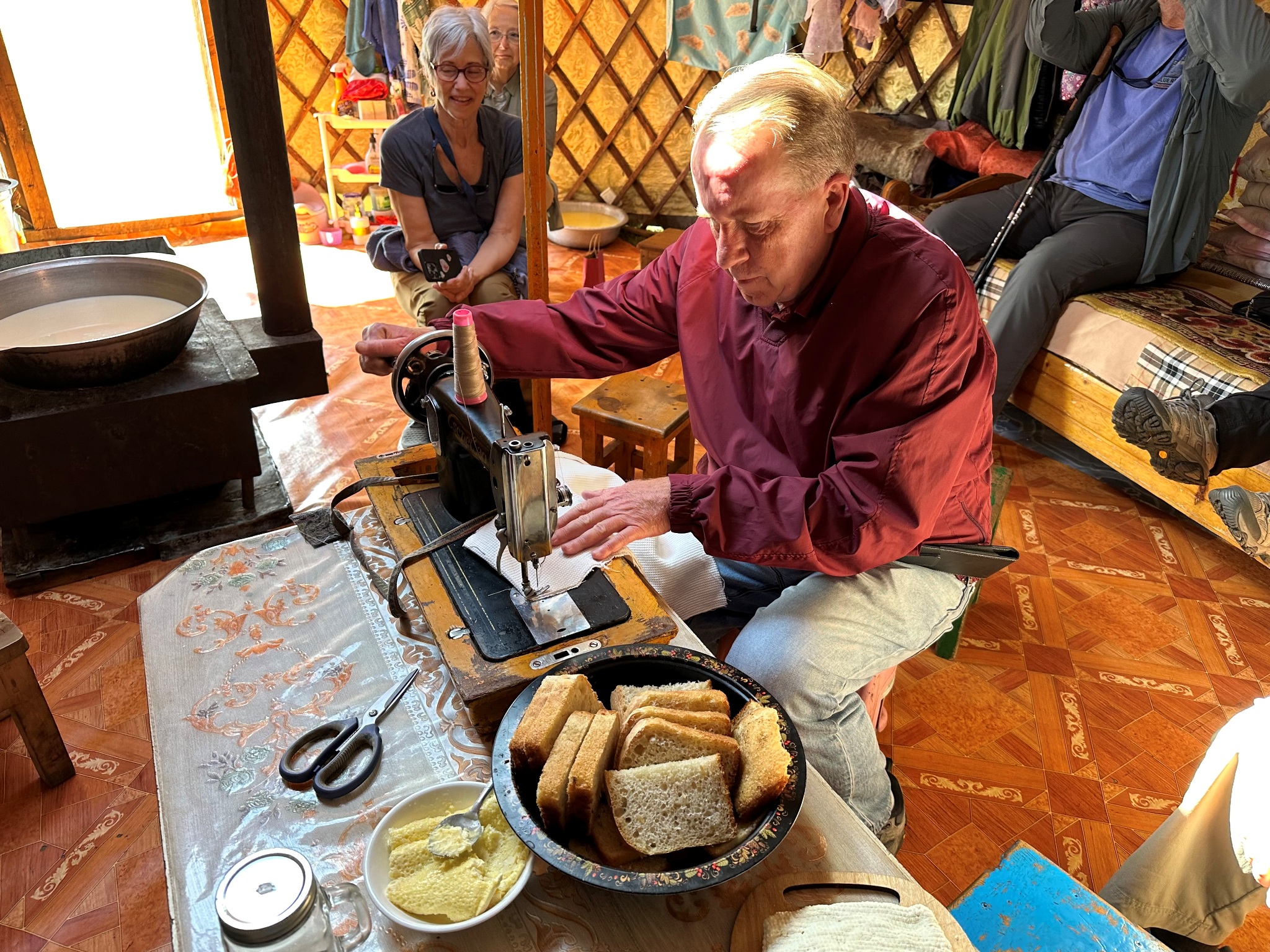
While at the lake we had our “Day in the Life” program. We visited a Yak herding family and tried out our skills at milking a Yak. I must say that was a failure!
Later we had lunch with a retired couple who became entrepreneurs starting a yak milk ice cream operation. They fill plastic cups, freeze them and then sell wholesale to small grocery stores in town.
At all three of our camps our Ger’s included an ensuite bathroom with sink, toilet and shower. It was amazing to think that my single Ger “room” was the same size that a family of 4-6 lived in including their kitchen and most possessions. And…the nomadic people in Gers had an outhouse, no running water and got their power, if any, from solar.
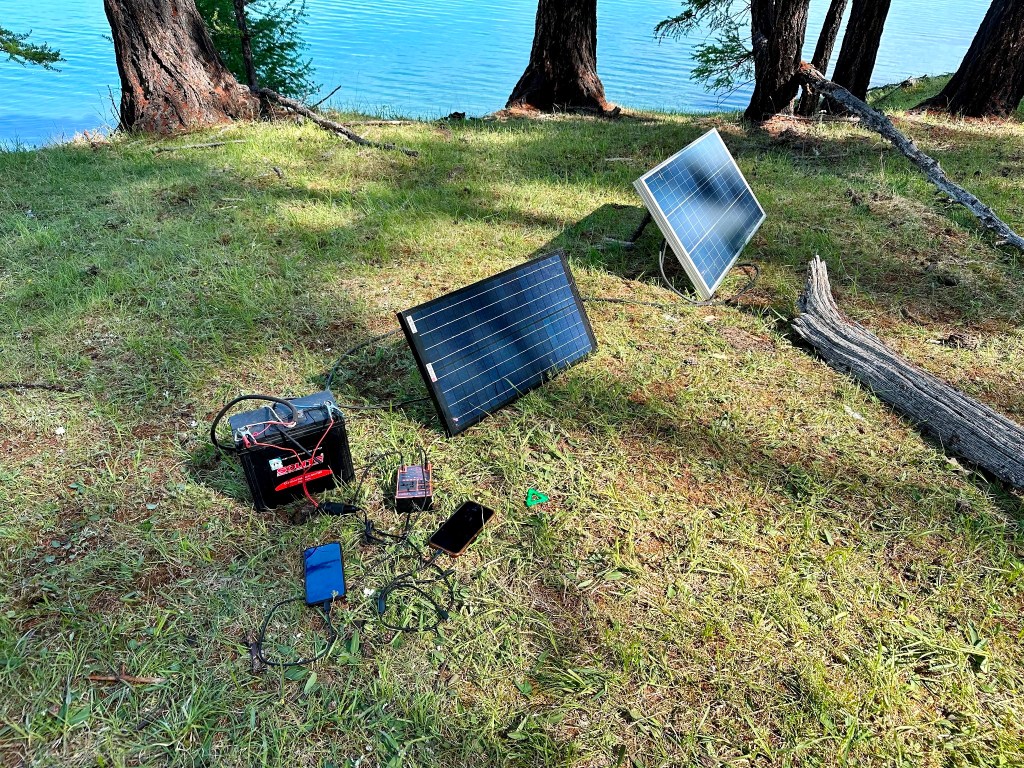
Our final night at the Lake Khövsgöl Ger camp came with a bonfire, music from the camp staff, wine and s’mores.

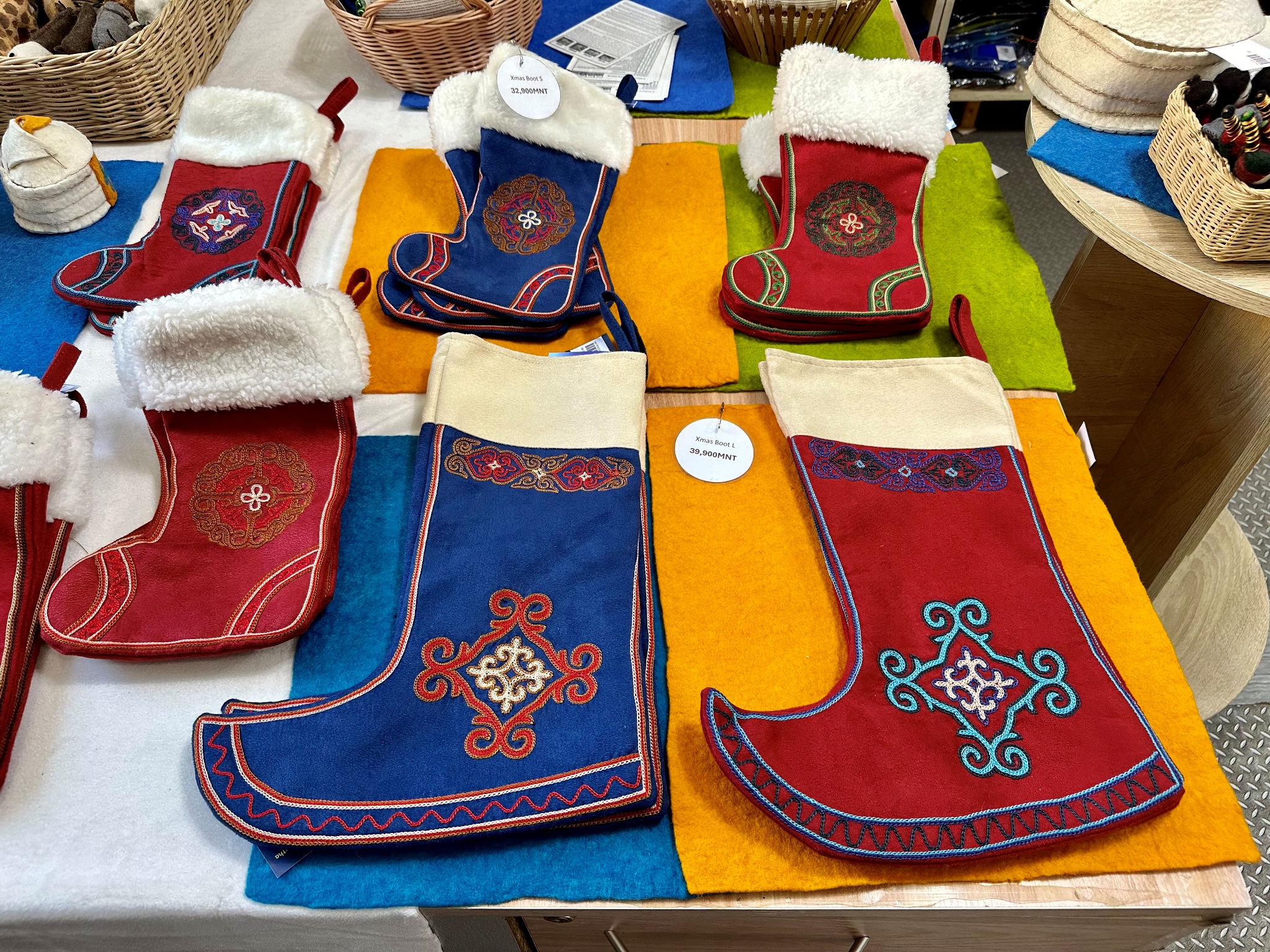
Back in Ulaanbaatar we had some shopping time and saw a traditional music and dance performance at the Mongolian State Academic Theatre of Opera and Ballet. The singers, dancers, contortionists and orchestra were amazing.


Since we had a late flight to the Gobi Desert, we had the chance to visit the Paleontology Department at Mongolian National University in preparation for our time in the Gobi where many dinosaurs’ remains were found.
When we arrived in the Gobi it was 88° and “sandstormy” per the pilot.
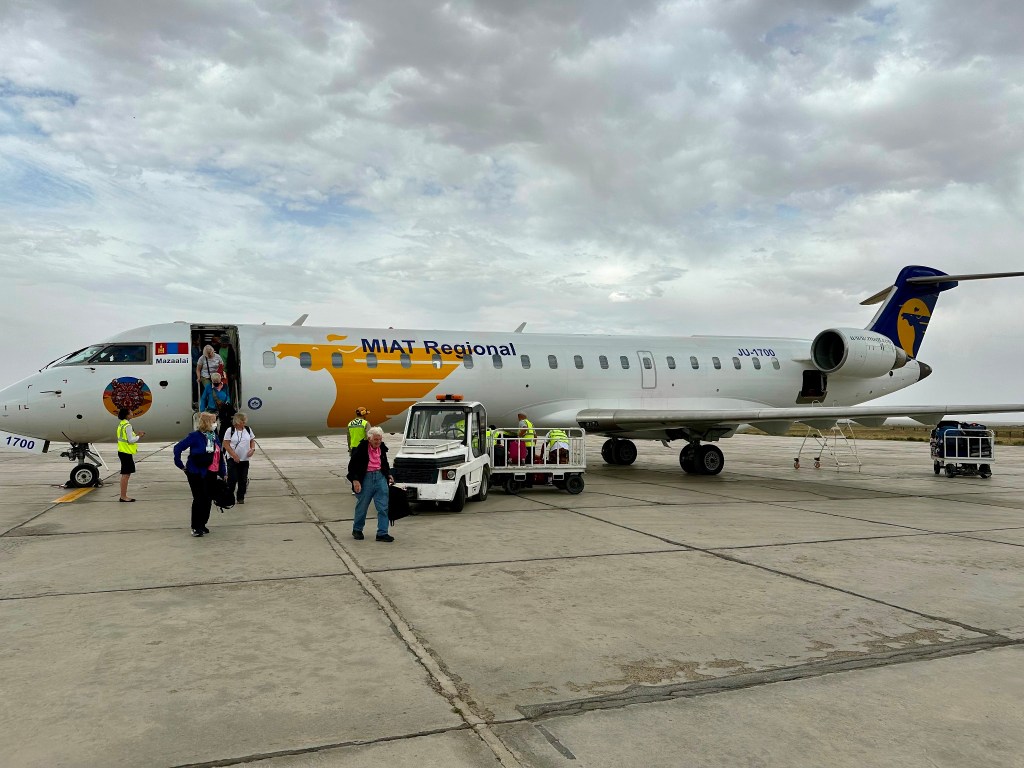

When we finally got to camp the wind was ferocious and the blowing sand felt like needles pricking our skin. Fortunately by morning the sky was clear and the wind had subsided.

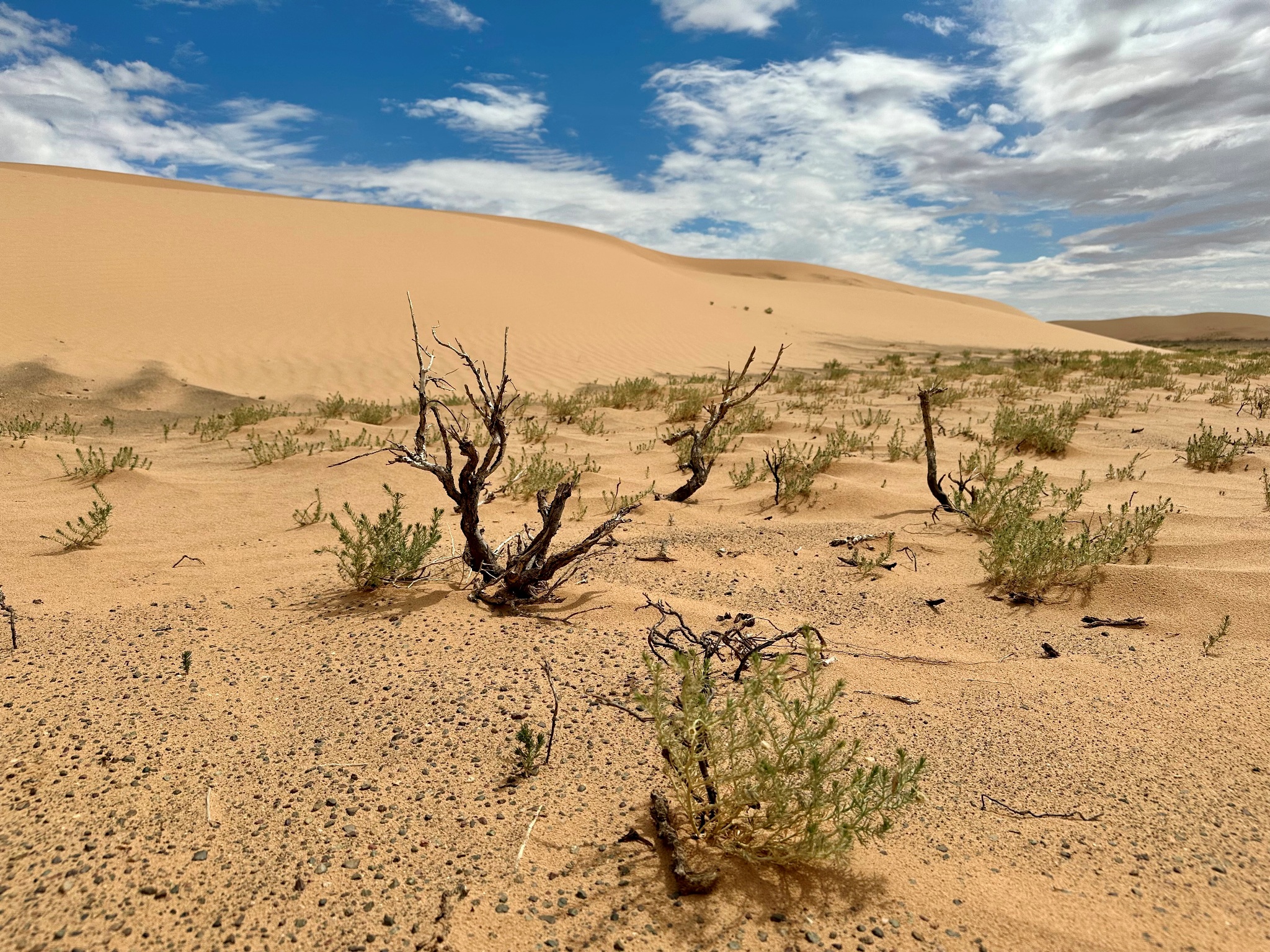
The Gobi Desert, covering nearly 502,000 million square miles of total land area, is the largest desert in Asia and the fifth largest in the world. Only 5% of the desert is covered by sand, while the rest is covered by sedimentary rocks or dry grasslands.

Once we left the airport we didn’t drive on a paved road our entire time in the Gobi.

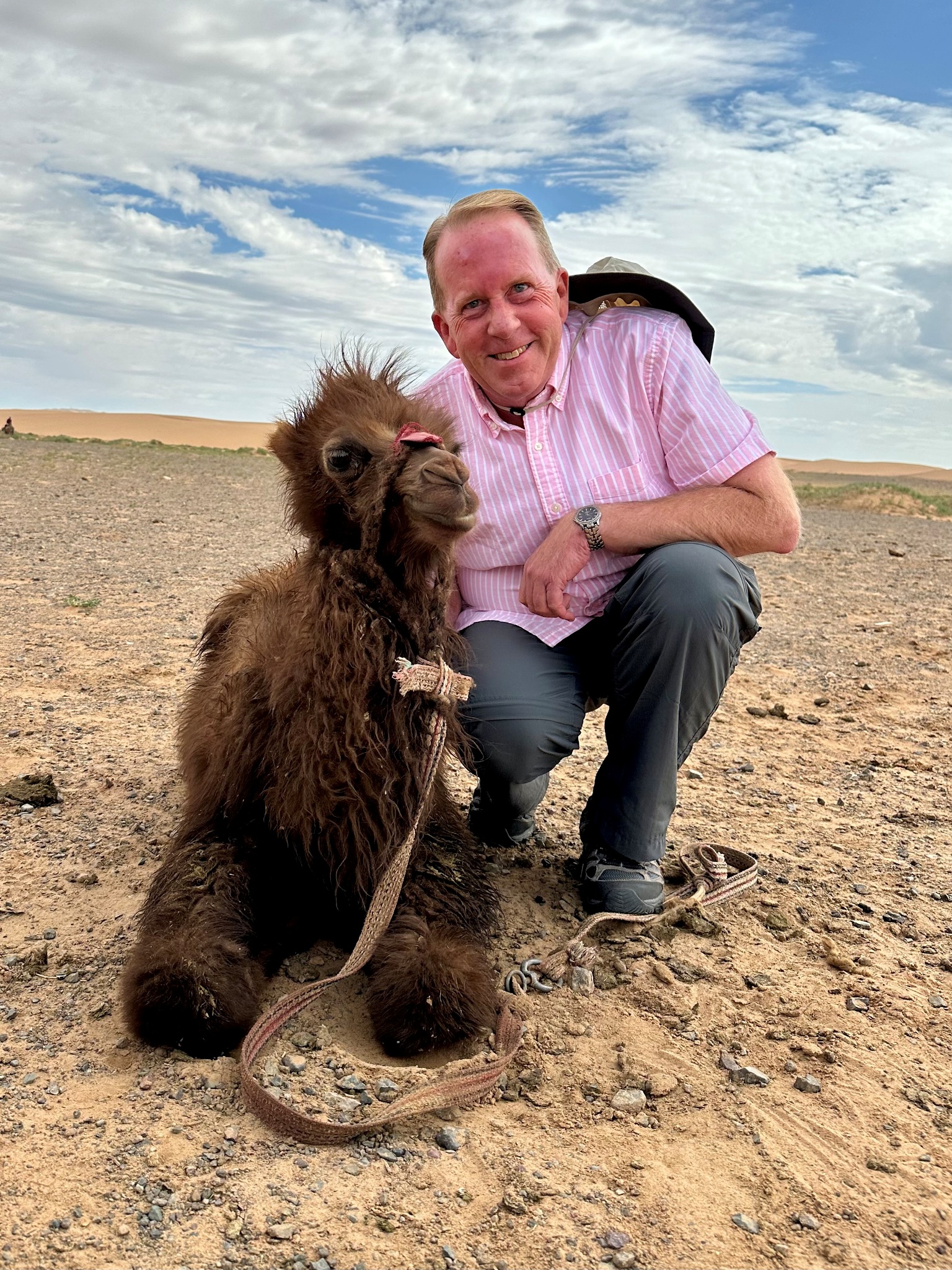
Our first activity in the Gobi was a visit to a camel breeding family along with a camel ride.

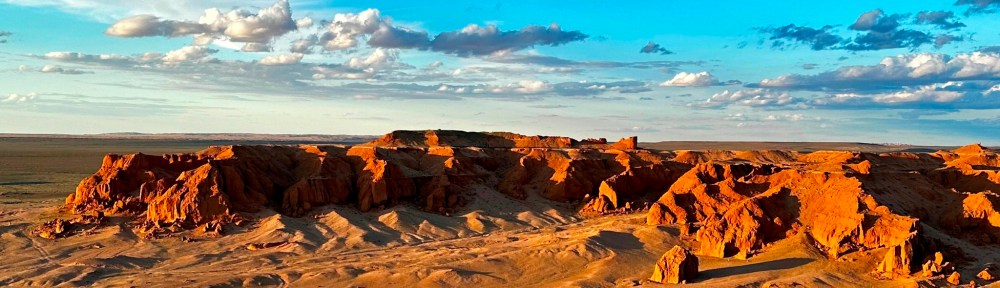
On our second day in the Gobi we had an early dinner and then watched the sunset and had sundowners (wine, screwdrivers and snacks) at the Flaming Cliffs. It was given this name by American paleontologist Roy Chapman Andrews, who visited in the 1920s. The area is most famous for yielding the first discovery of dinosaur eggs.
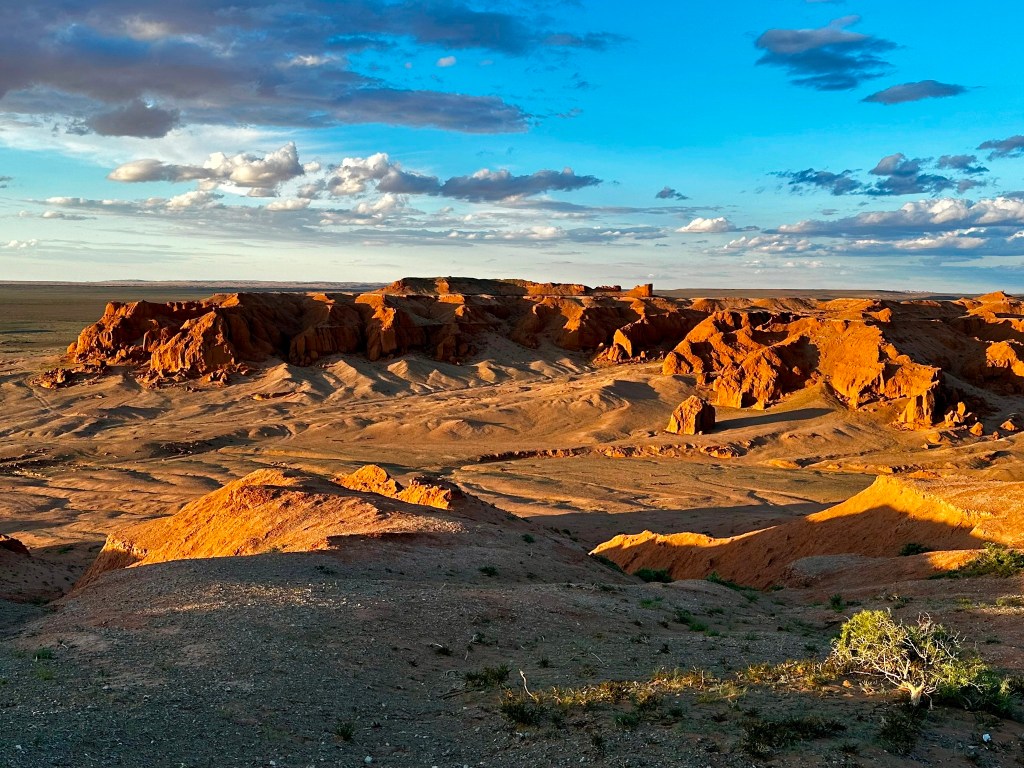
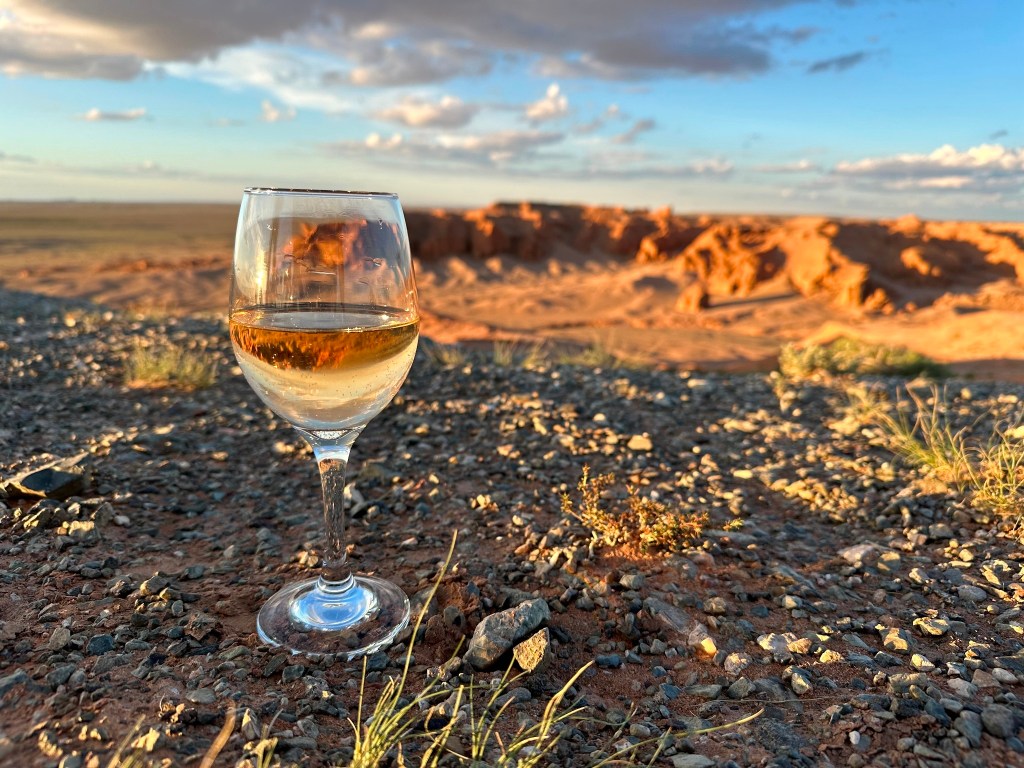
On our final day in the Gobi Desert we had a morning hike in the Yol Valley (also known as Vulture Valley).
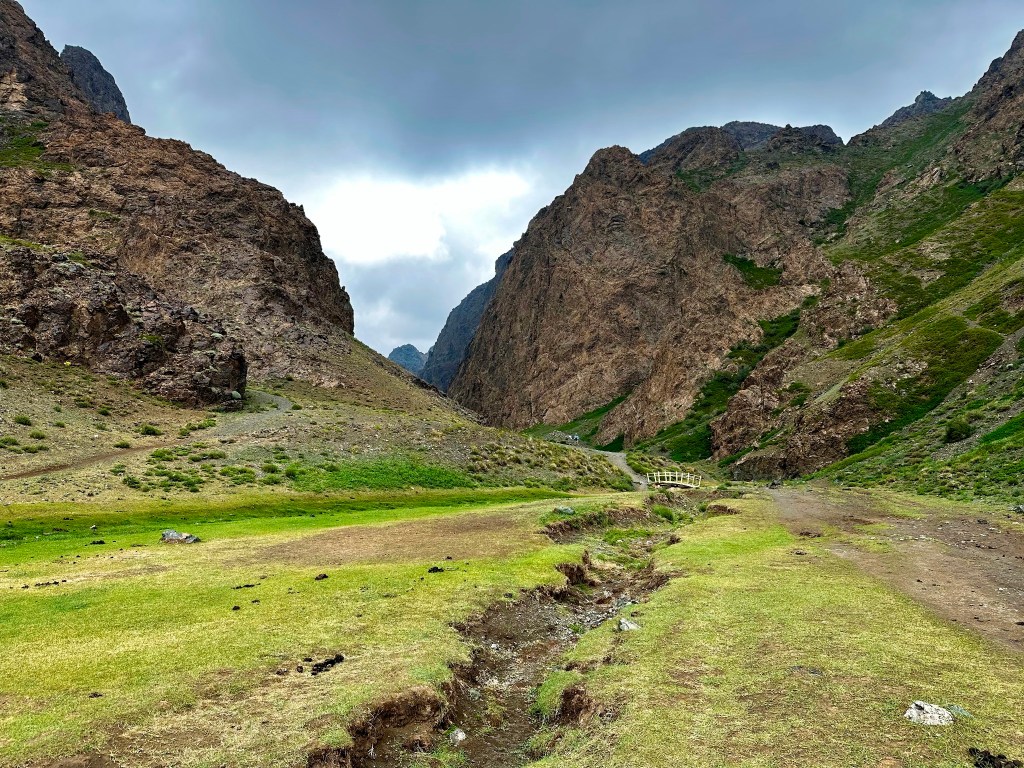
Often during our Ger camp stays we had to rely on “nature toilet”. At the Yol Valley they had some “rustic/well used” out houses and these open air urinals.

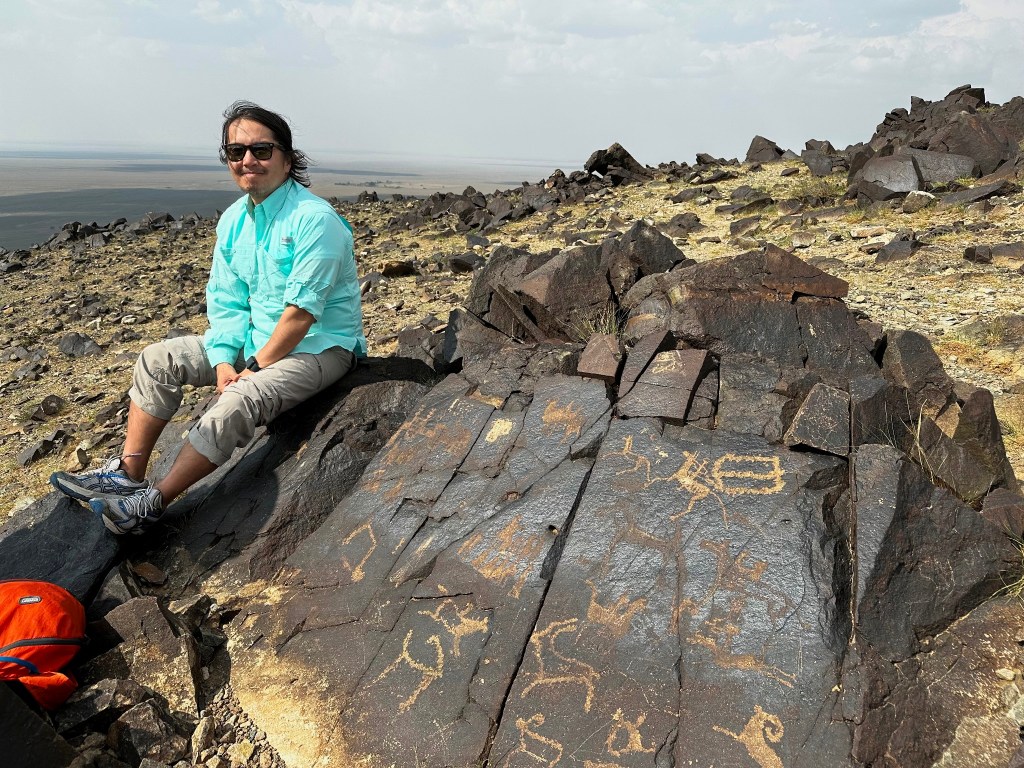
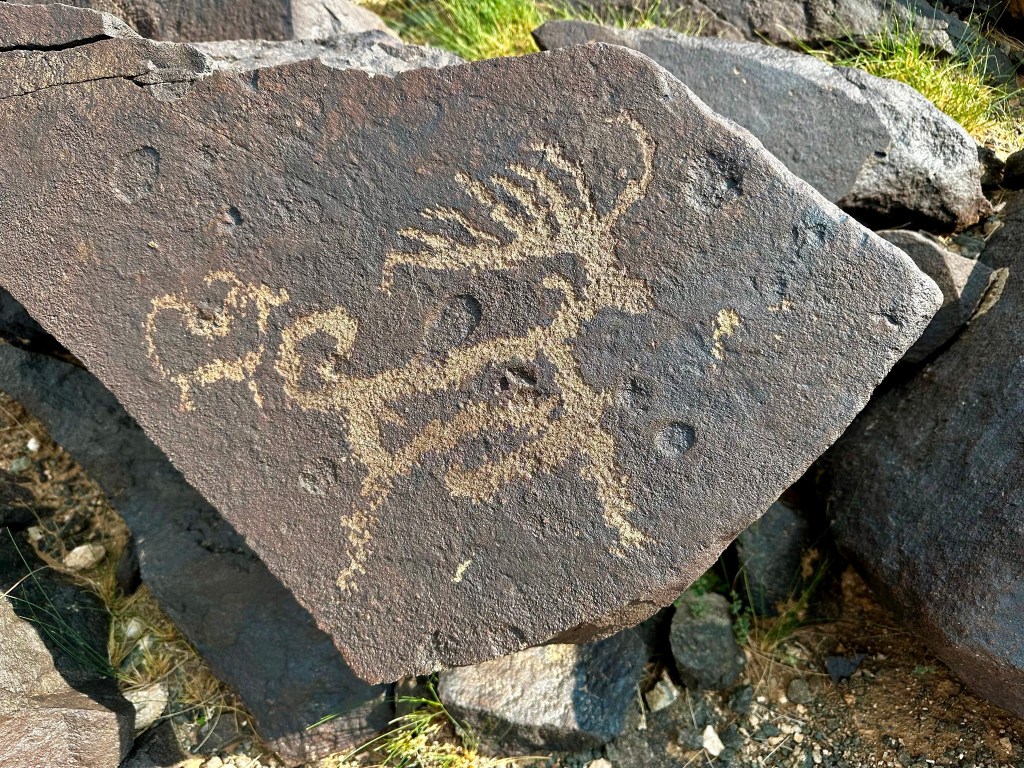
Five of us took an optional hike to the Khavtsgait Petroglyphs. Researchers believe that the petroglyphs were created about 4000 – 5000 years ago from the mid and late Bronze Age to early Iron Age. It was a challenging 1 1/4 mile hike with most of the trail being about a 45° grade with loose rocks/gravel and strong wind. That said, the views and petroglyphs were amazing.
Leaving the Gobi we flew back for our final afternoon/night in Ulaanbaatar.
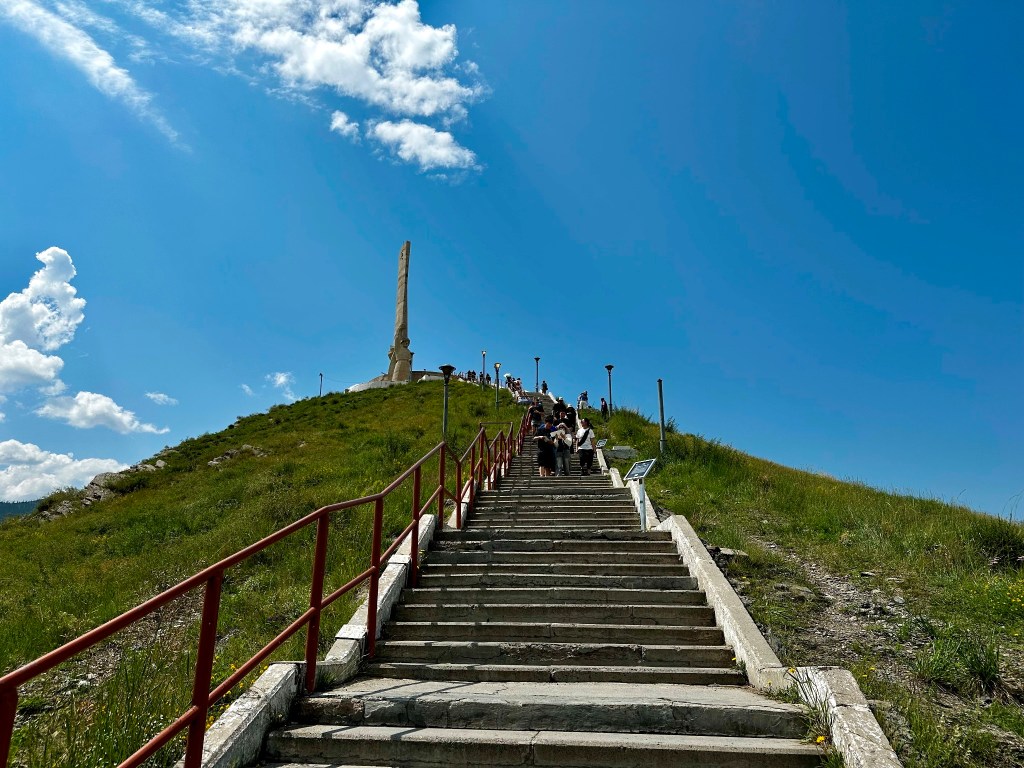
On the way to the hotel we stopped at the Zaisan Memorial, honoring allied Mongolian and Soviet soldiers killed in World War II.
Though I have listed many highlights of the trip, there was so much more we did, saw and learned about. Getting to Mongolia can be a challenge with long flights and multiple connections, it certainly was worth visiting this part of the world that most will never have the opportunity to see.
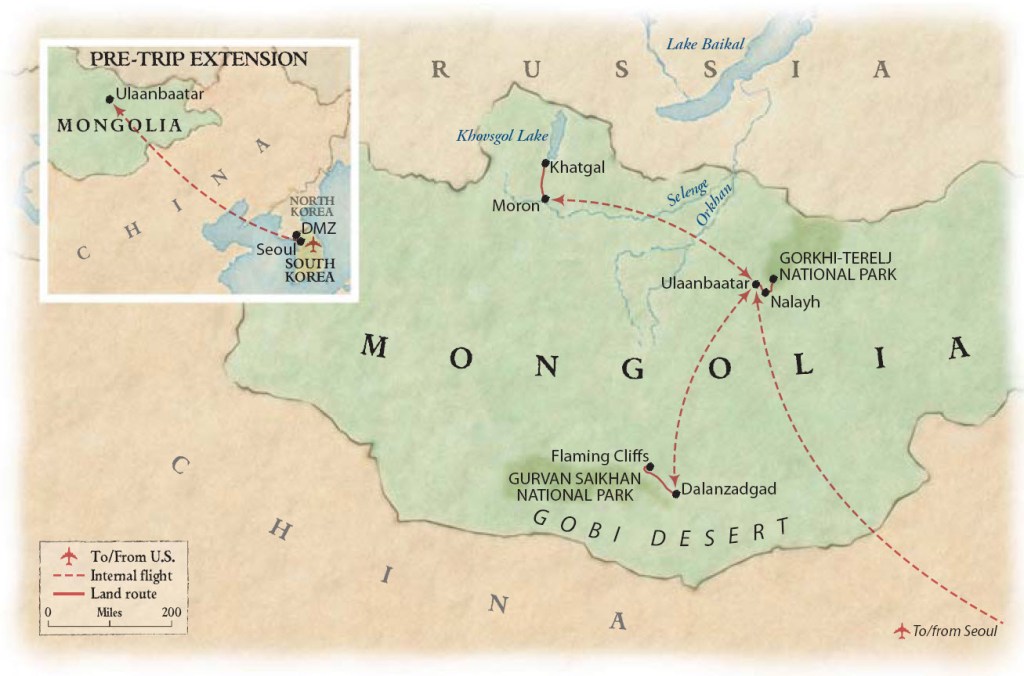
Tour Operator: Overseas Adventure Travel
Dates: June 20 – July 1, 2024
Below are some additional photos of the trip that can be viewed as a slideshow.



































 The Adventures of Dave