
This summer’s vacation took me to southwest France, Northern Spain and Northern Portugal. I was thrilled to be jointed once again by me good friends Cindy and Sylvia. This was our 9th time traveling together.

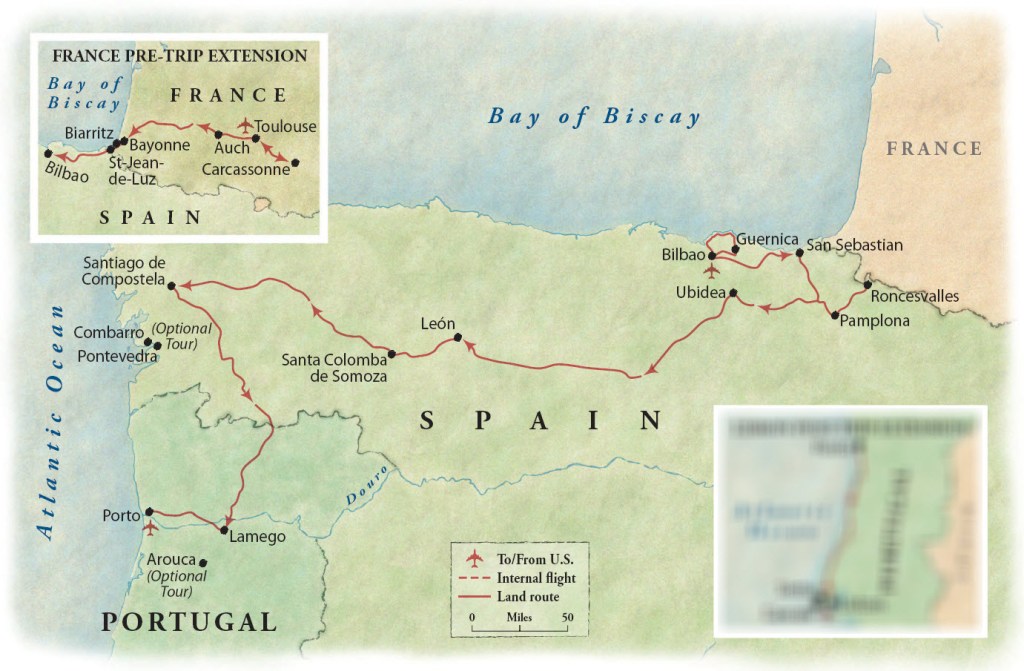
We began on a pre-trip to Southwest France. We started in the medieval walled city of Carcassonne. Our hotel was one of two situated within the city walls. At night it was very quiet once all the tourists left for the day.


During our time these I walked the 1.9 miles of ramparts surrounding the city.

One day we took a trip to Albi France to see its massive brick Cathedral and tour the Toulouse-Lautrec museum.


On our way back to Carcassonne we stopped in the town of Castres.

While in Carcassonne we had to try the local specialty, Cassoulet. Cassoulet is a rich, slow-cooked French stew traditionally made with white beans, duck confit, sausage, and other meats.

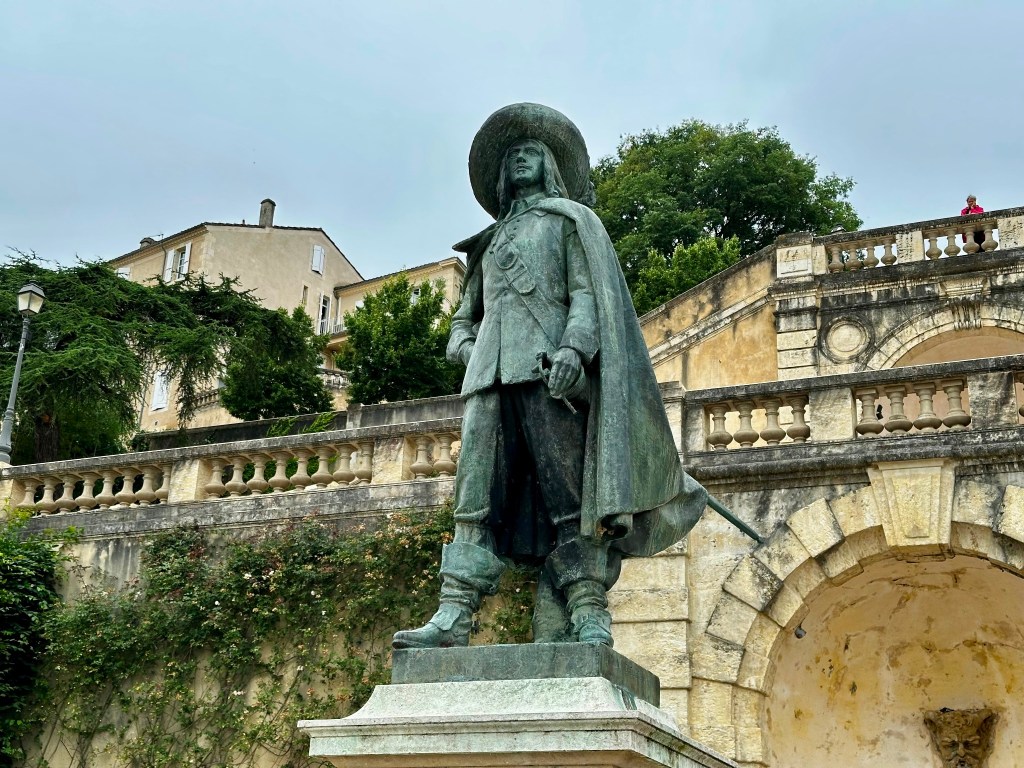
Our next destination was Bayonne in the Basque part of France. Along the way we stopped in the town of Auch. Auch was the birthplace of the real-life French Musketeer who inspired d’Artagnan in The Three Musketeers.
One afternoon we visited the town of Espellete. There we visited the local church, wandered through the town and ended with tastings of cheese, wine and chocolate

Leaving France behind we traveled Bilbao Spain for the main trip. On the way we stopped in the towns of Biarritz and Saint-Jean-de-Luz.

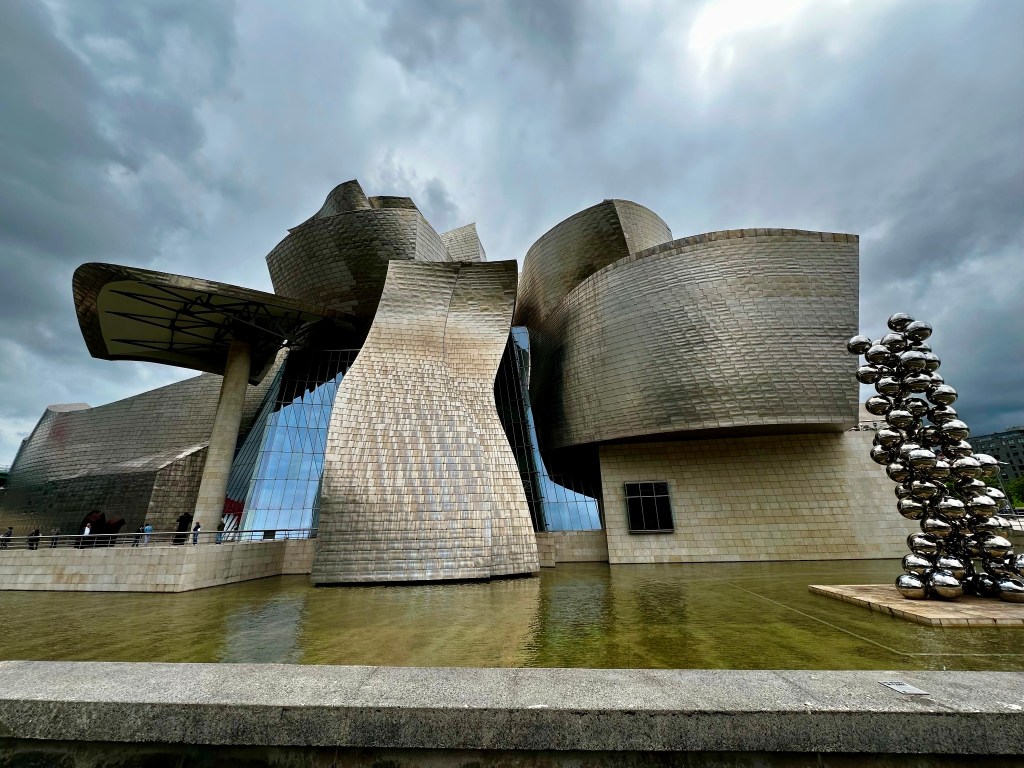
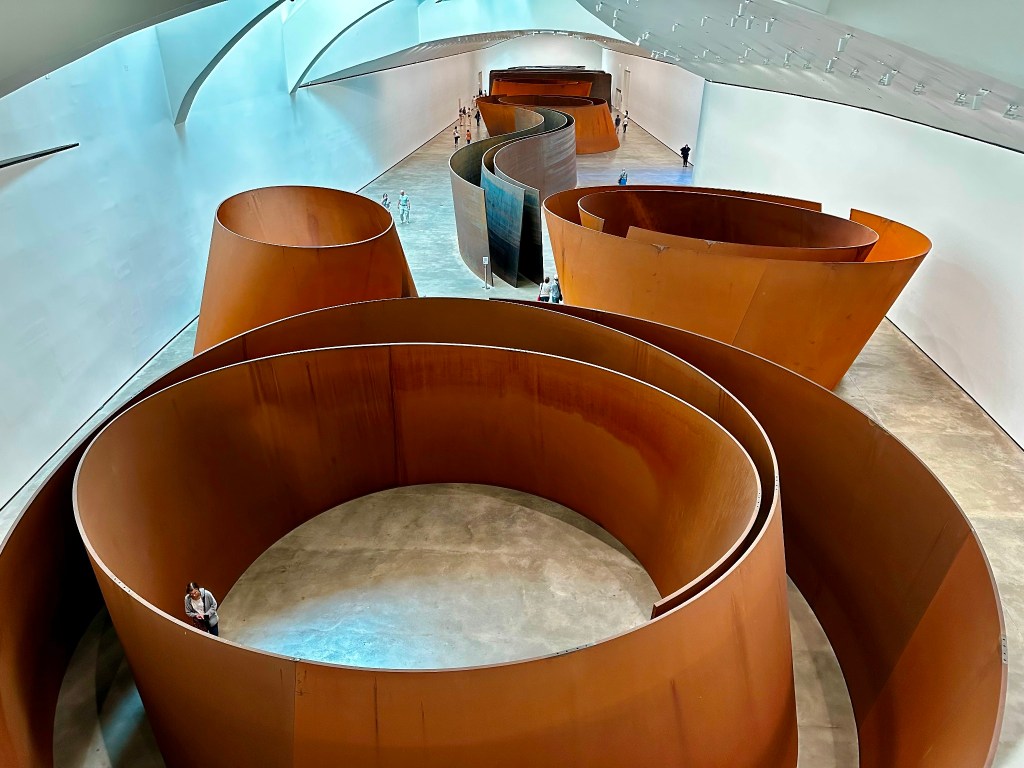
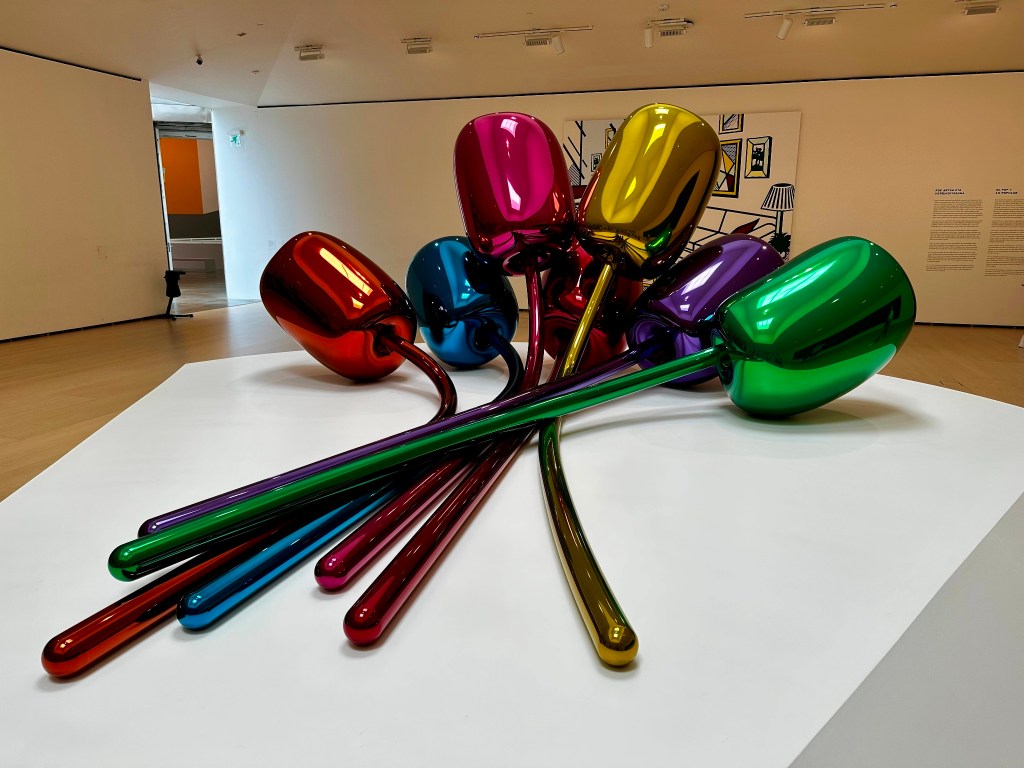
Bilbao’s “modern” claim to fame is its Guggenheim Museum designed by Architect Frank Gehry. It is a modern art museum which isn’t necessarily my taste, though was a great experience to visit.
During our 3-night stay in Bilbao we visited the town of Guernica. In 1937, the German Luftwaffe bombed Guernica nonstop for more than three hours, laying waste to almost all of it – a nightmare immortalized by Picasso in the famous painting that bears the town’s name.

From there we headed to Pamplona. Along the way we stopped at the seaside town of San Sebastian.
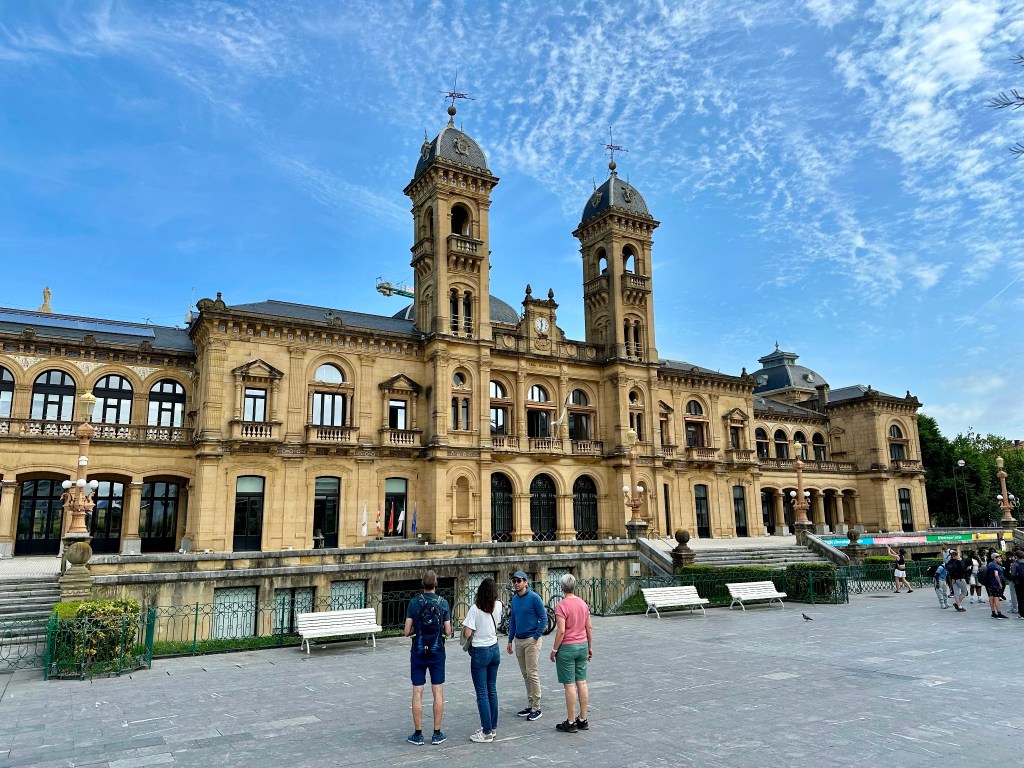
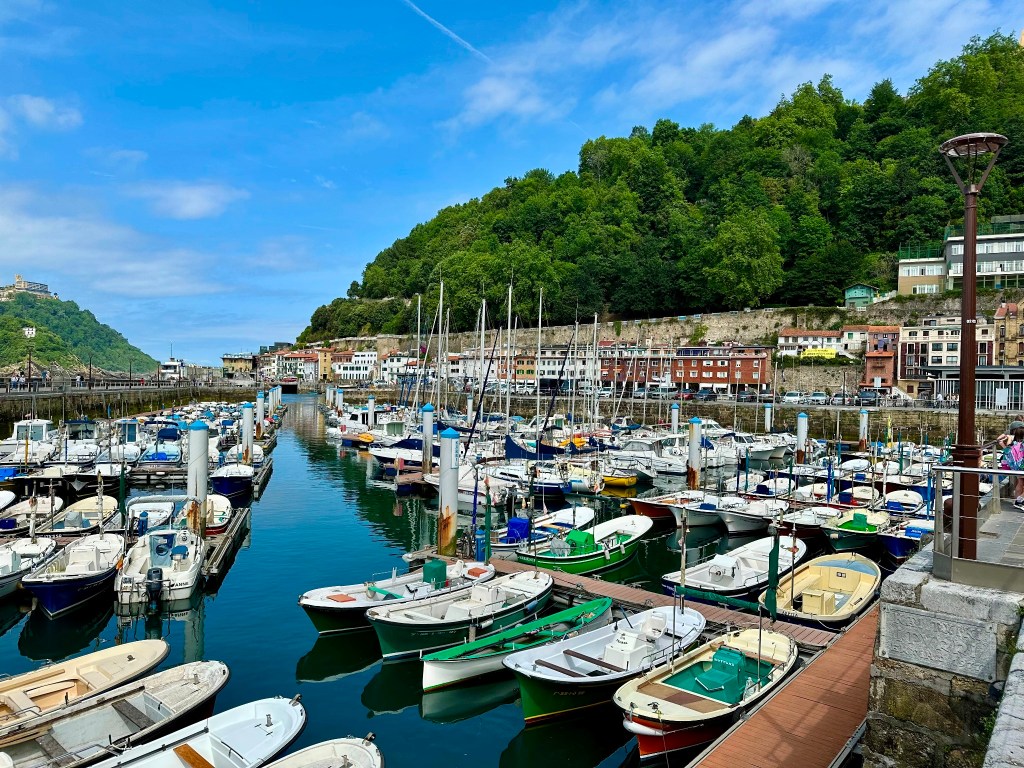
The name of this tour was, “Northern Spain and Portugal – Pilgrimage into the Past”. A focus of the trip was experiencing parts of the Camino de Santiago (The Way of St. James), one of Europe’s most important pilgrimage routes. During the Middle Ages, the three great Christian pilgrimage destinations were Rome, Jerusalem, and Spain’s Santiago de Compostela, where it was believed a cathedral housed the bones of St. James. From Pamplona to Santiago de Compostela we traveled along the French route of the Camino.

Our first Camino walk was in Roncesvalles, a village known as the setting of the defeat of Charlemange. Our walk started in fog and mist though ended with a beautiful sunny day.


Part of our Camino experience was receiving a “Credencial del Peregrino” or Pilgrims Credentials. This is a kind of passport for pilgrims walking the Camino to document their travels. At various stops along the way they get stamps from local tourist offices, hotels, restaurants, etc. to prove they actually made the journey.

While in Pamplona we met with a local resident who participated in the Festival of San Fermin (running of the bulls) for many years who walked us along the short route and told us about his experiences).

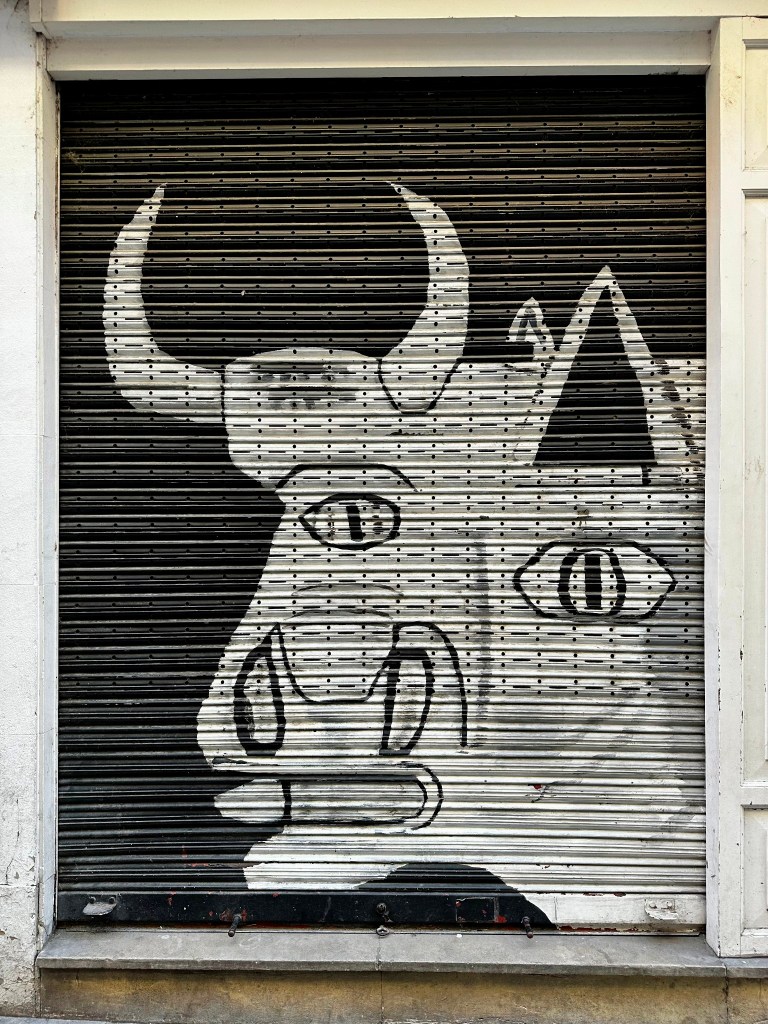

From Pamplona we headed to León. Along the way we did another Camino walk in the small village of Castrojeriz whose origins stretch back to Roman times. We started by visiting the ruins of the former Convent of Saint Anthony, built in the 11th century.


Among the many highlights of León is the 13th-century “House of Light,” the León Cathedral. The church has nearly 1,800 square meters (19,375 SF) of stained glass windows.
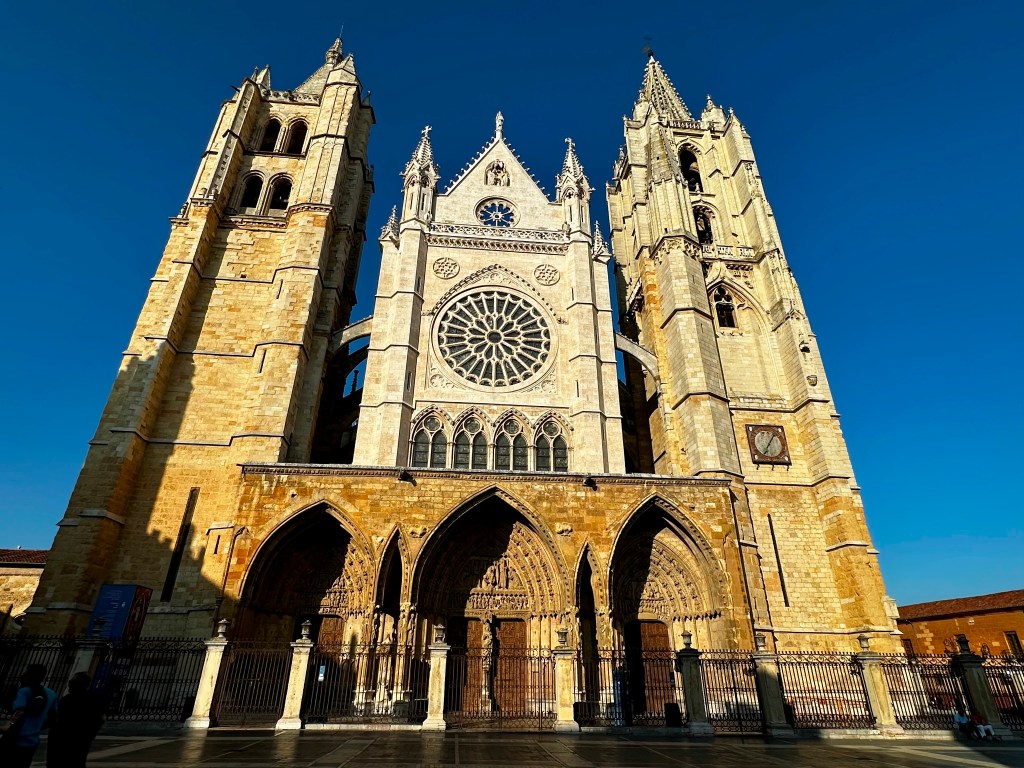
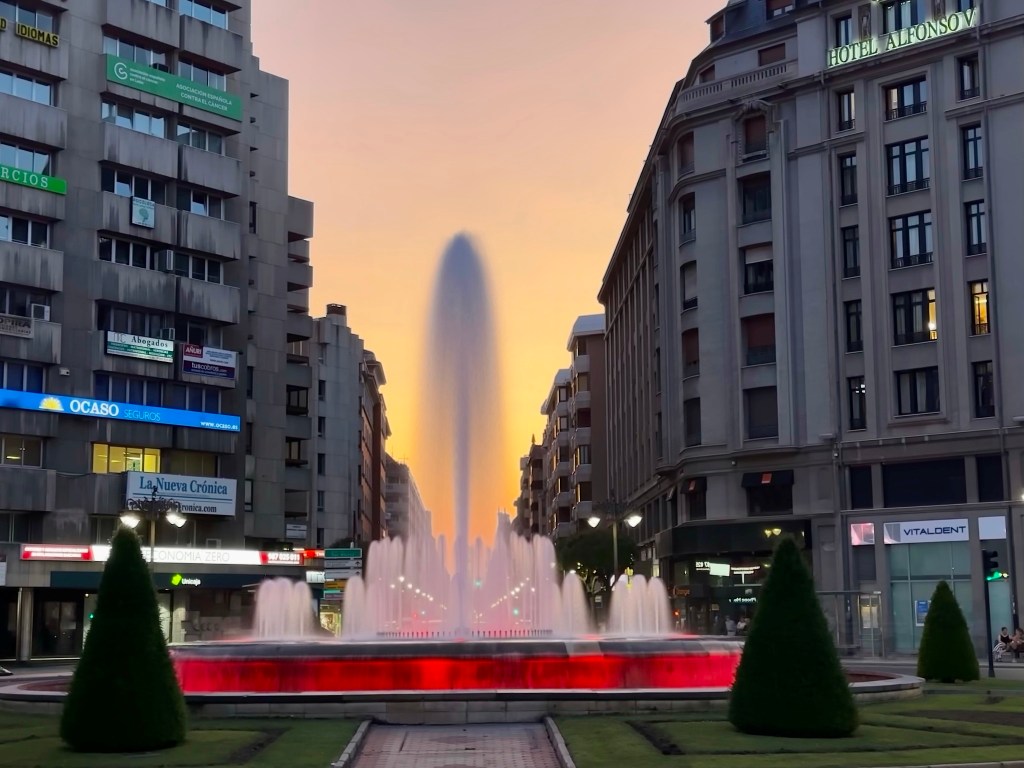

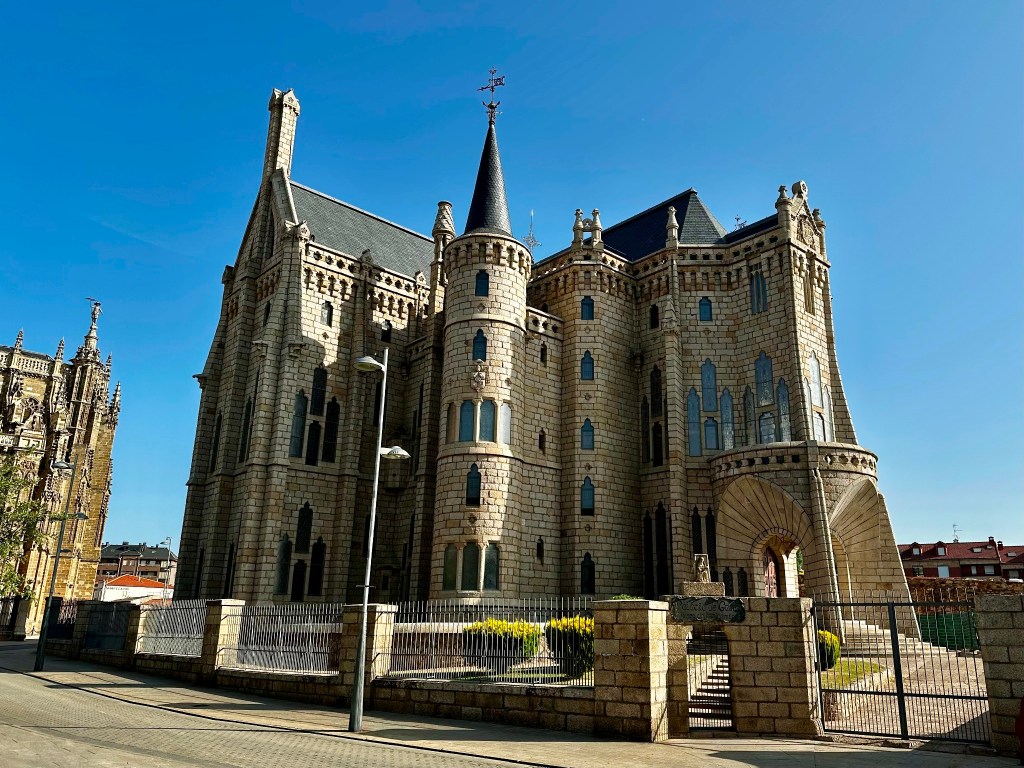
Leaving León we drove towards Santiago de Compostela, the end of the Camino de Santiago. Along the way we made several stops. The first was in the town of Astorga, home of the Bishops Palace of Astorga, designed by Antoni Gaudi. Designed in the Catalan Modernisme style, it is one of only three buildings by Gaudí outside Catalonia.

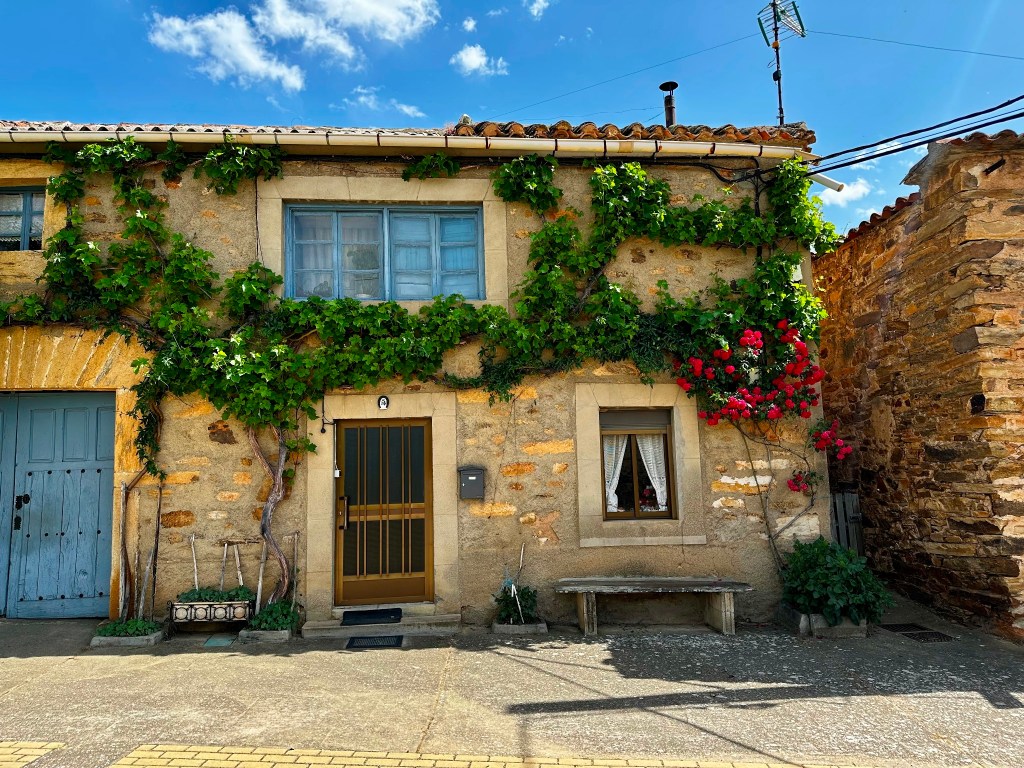
We stopped in the small village of Santa Colomba de Samoza. There we met with a charming beekeeper to learn about honey production followed by lunch at a local B&B/Restaurant.

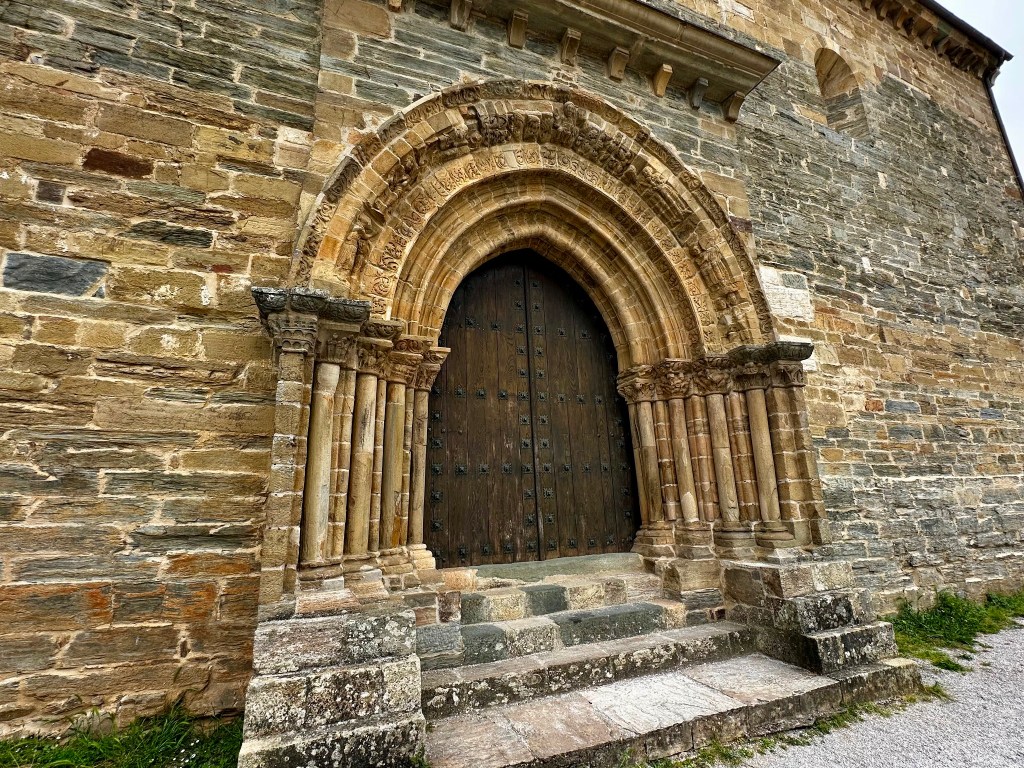
After lunch, we drove to Villafranca del Bierzo, the last important town along El Camino before Santiago. The town is known for its twelfth-century Romanesque church.

In Santiago de Compostela we took a final Camino 3 mile walk from the outskirts of town to the Cathedral of Santiago de Compostela.


The Cathedral of Santiago de Compostela is a beautiful church. It is the reputed burial place of Saint James the Great, one of the apostles of Christ.

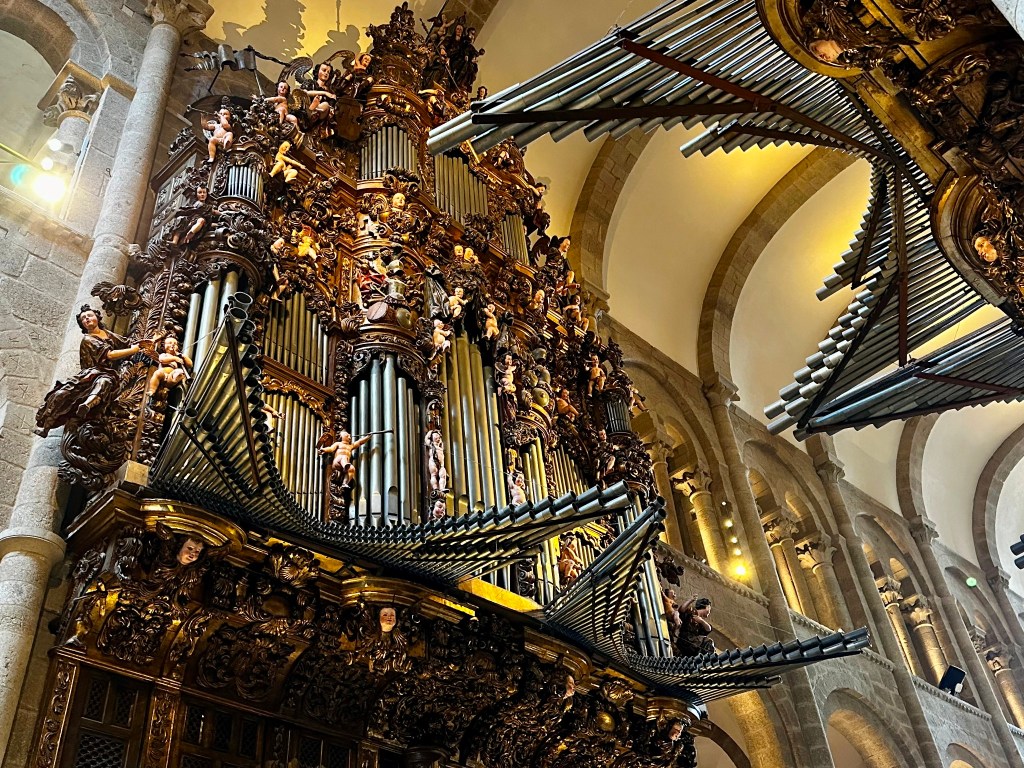
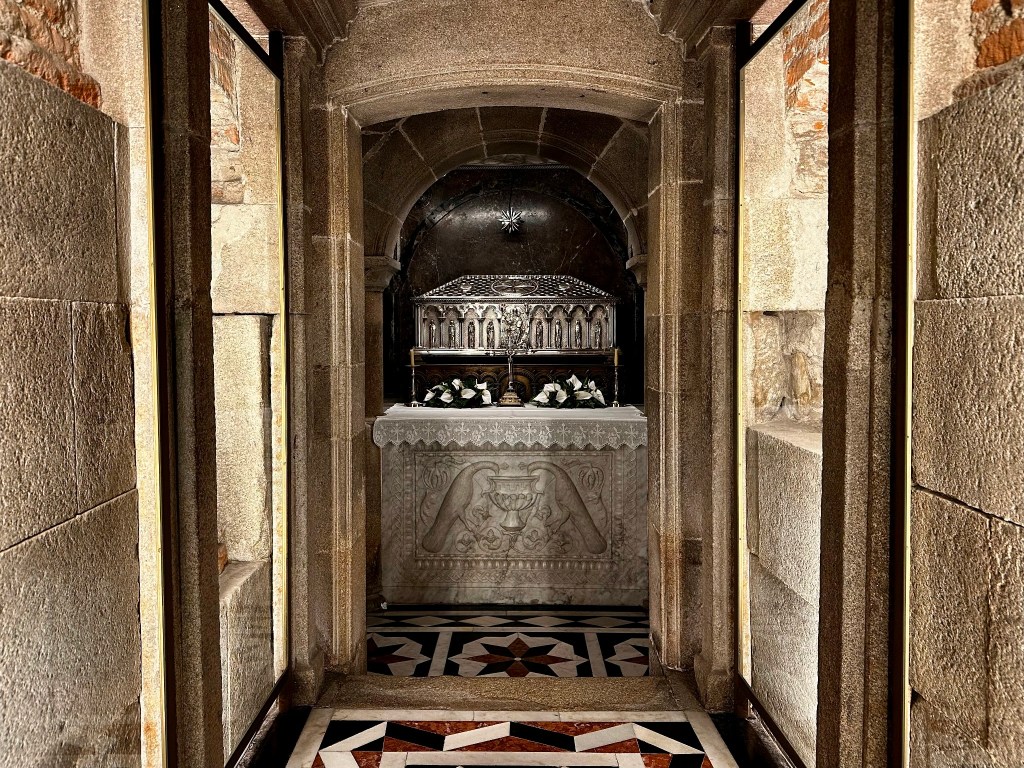
While in Santiago de Compostela we took a day trip to the cities of Pontevedra and Combarro. We toured the towns, met with a local clam digger to learn about their work and had lunch.
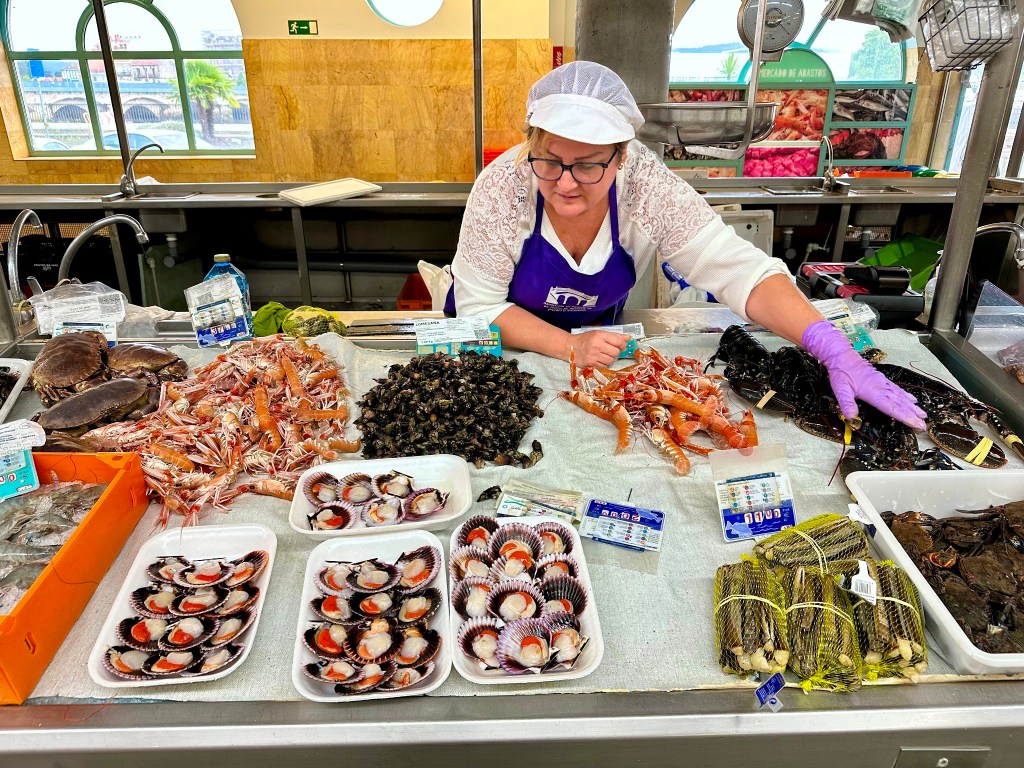

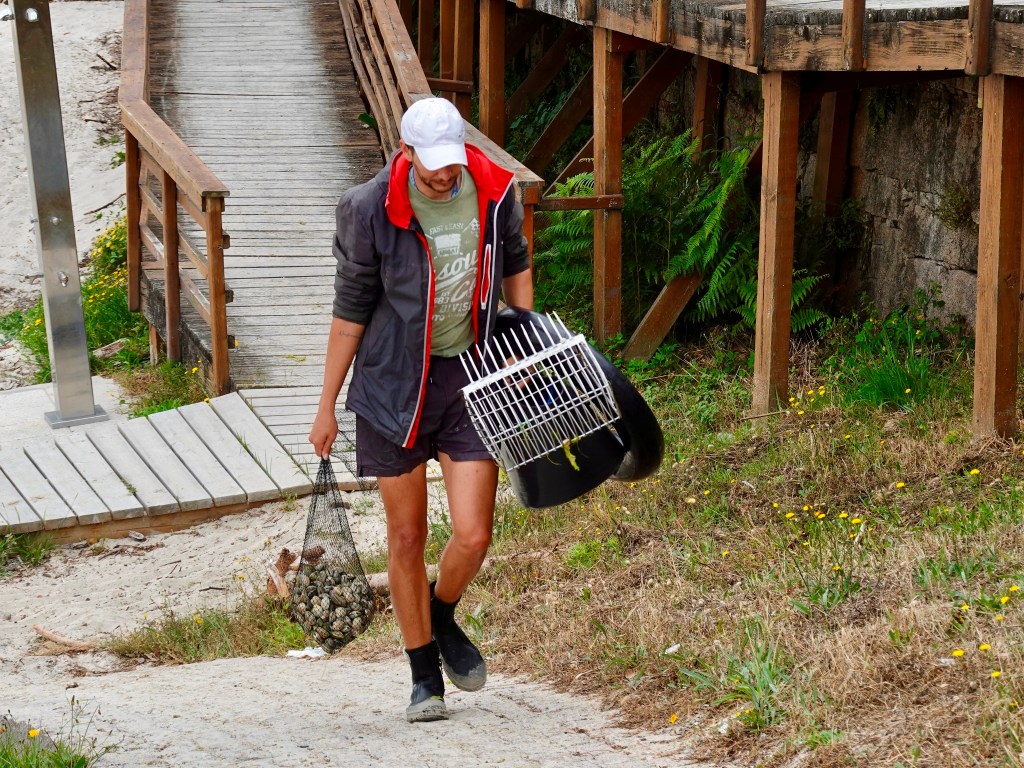
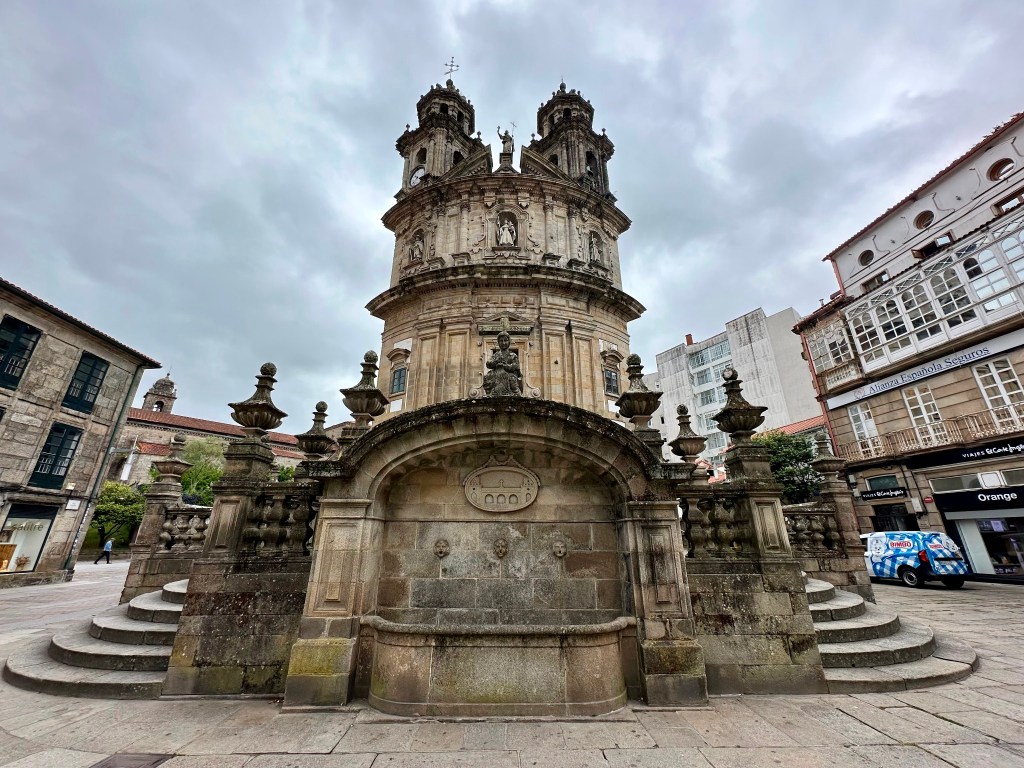
Our time in Spain was over and we moved on to Portugal.
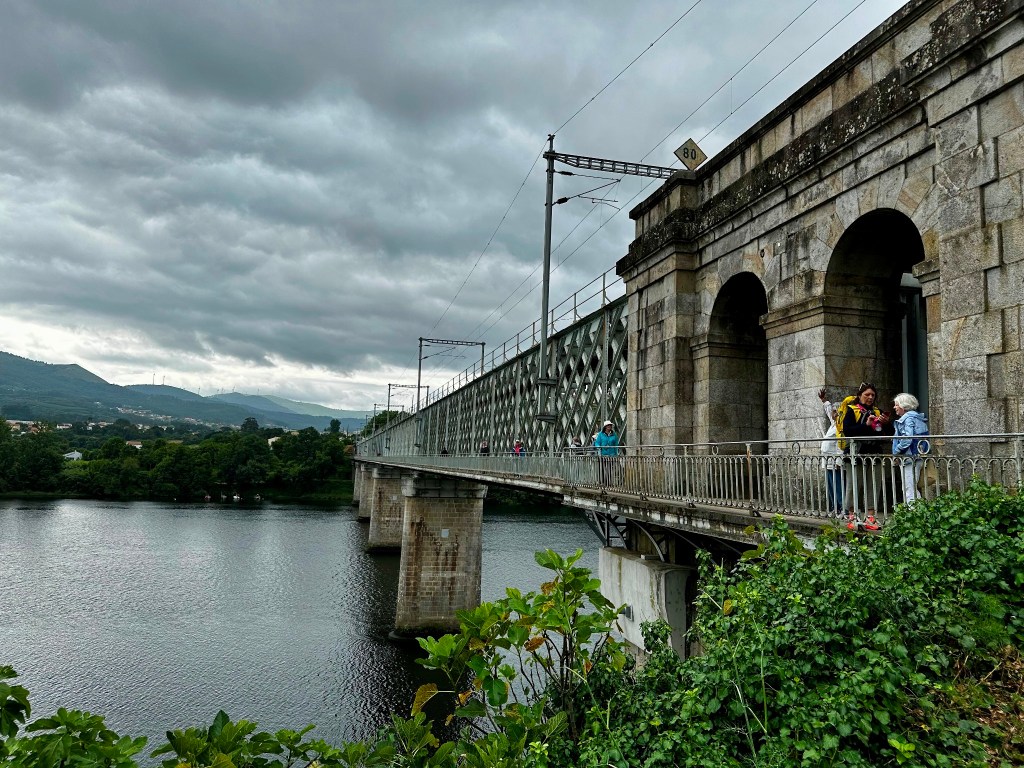
Here walked a small section of the Camino Portugués. We walked across the Valença Road-Rail Bridge over the Minho River between Tui Spain and the medieval town of Valença Portugal. The border is the middle of the river.
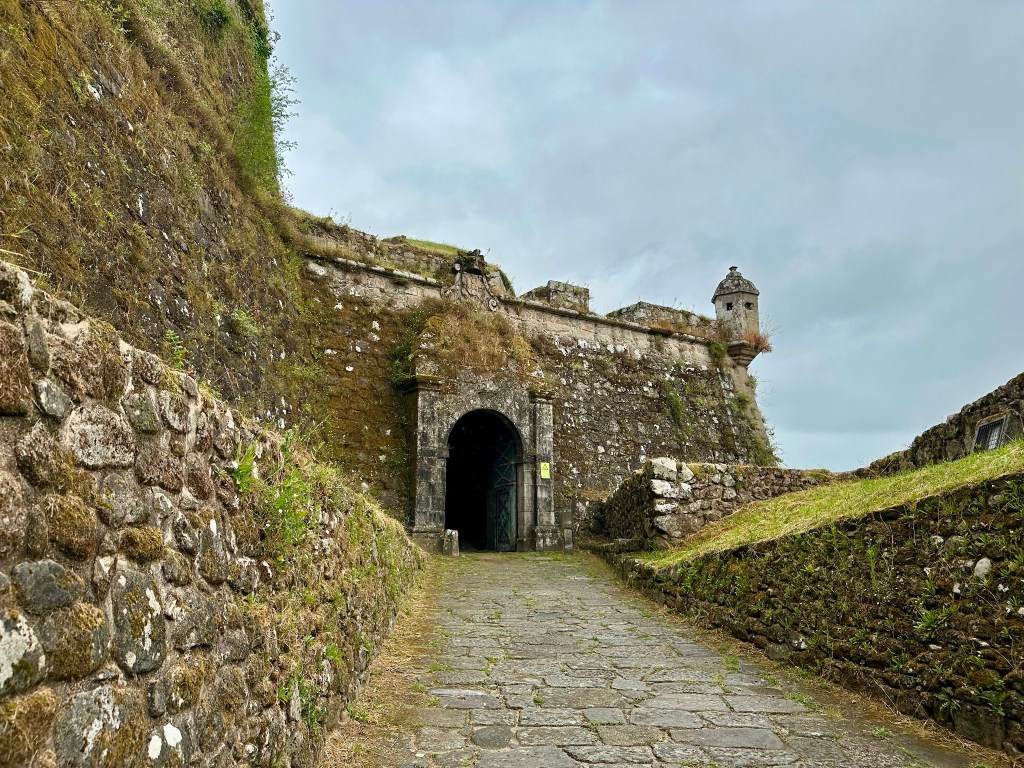
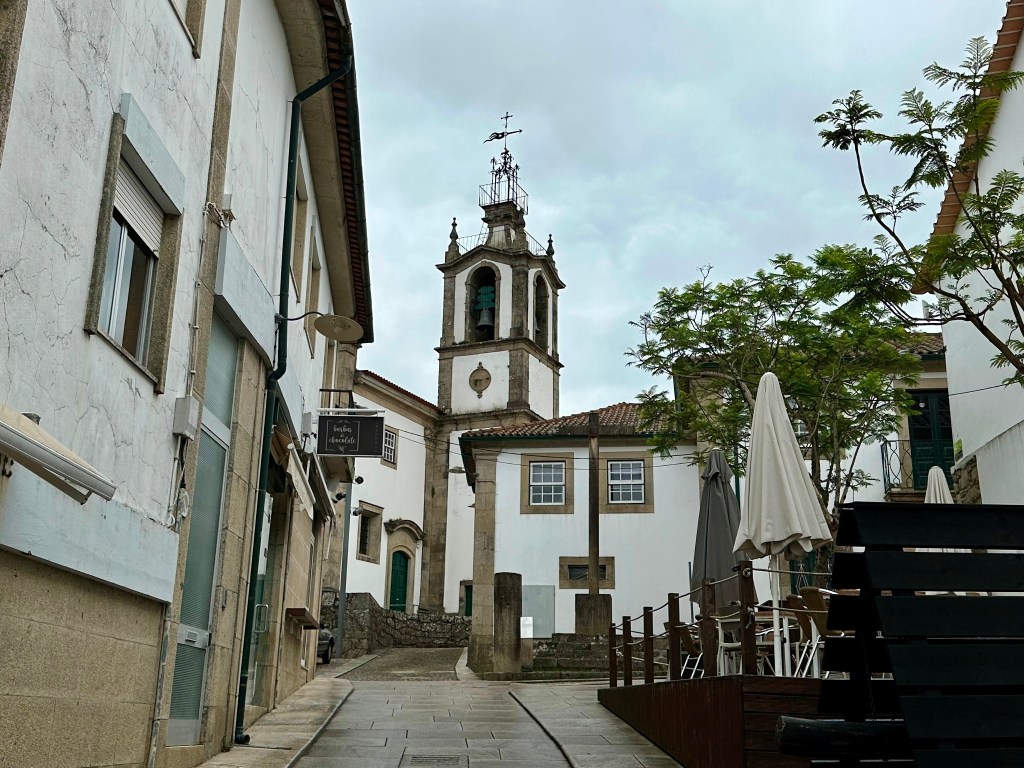
Our lunch stop was in the medieval city of Guimarães. Guimarães is considered the birthplace of Portugal because Afonso Henriques, who went on to be the first independent king of Portugal, was born here in 1110.


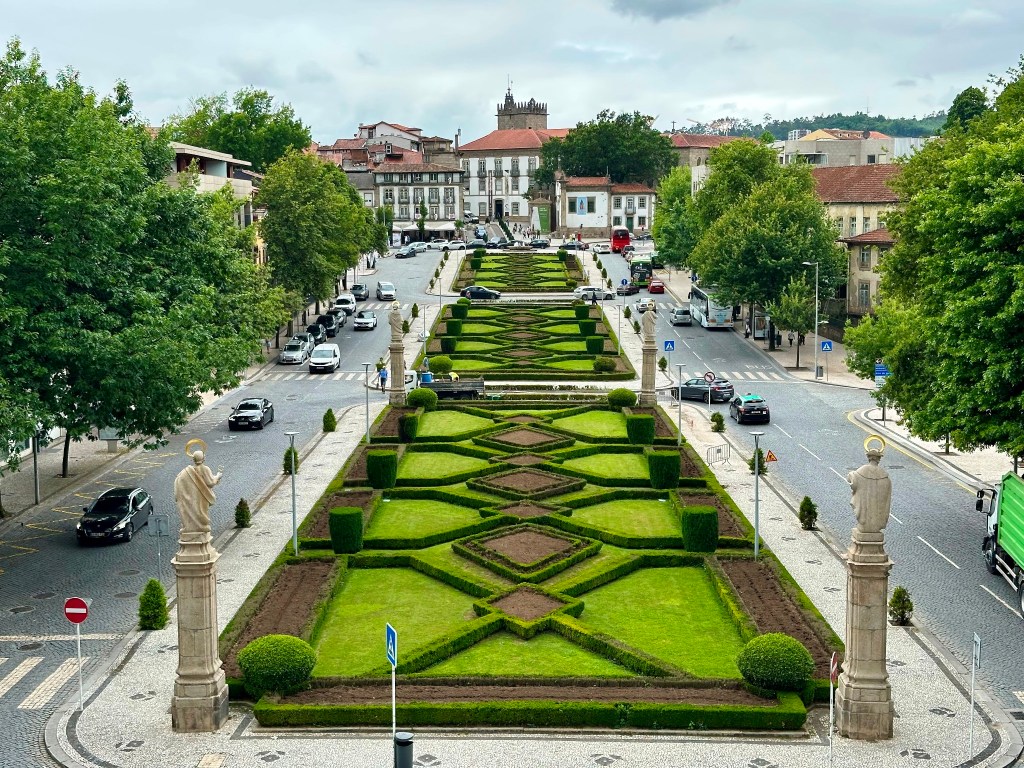

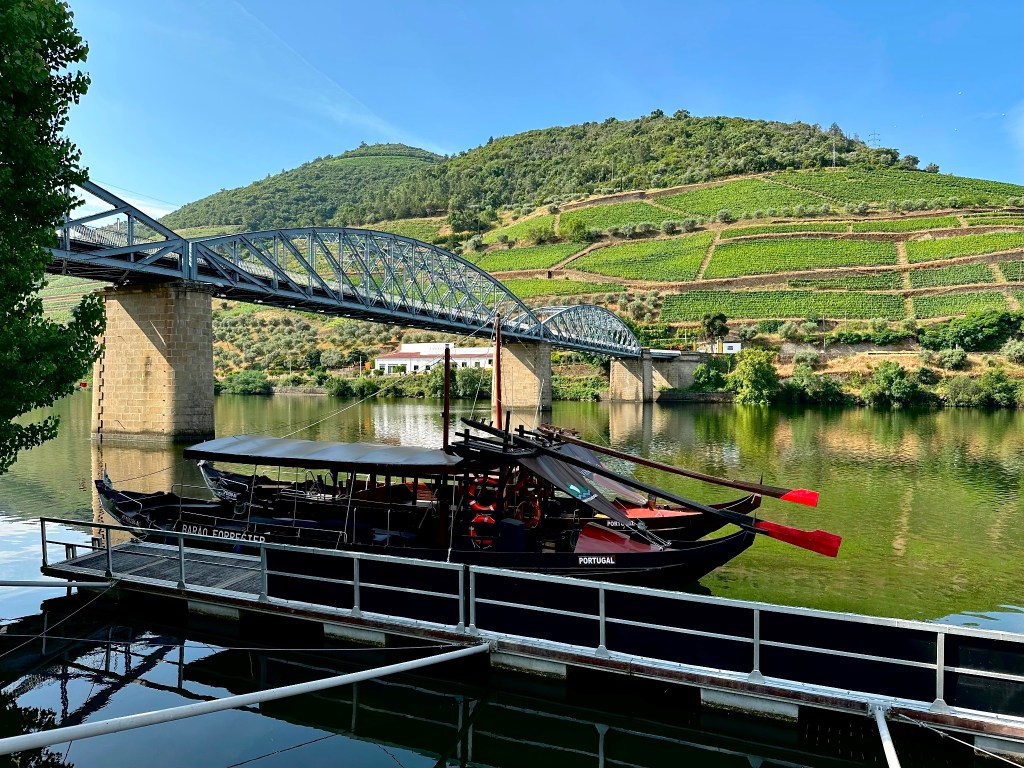
Our next stay was in the town of Lamego. Our hotel sat overlooking the Douro River and my room there had a wonderful view of the river and town.

While in the Douro Valley we took a short cruise along the Douro River followed by a wine tasting with hors d’oeuvres. After 8 different wines we were all ready for a nap.

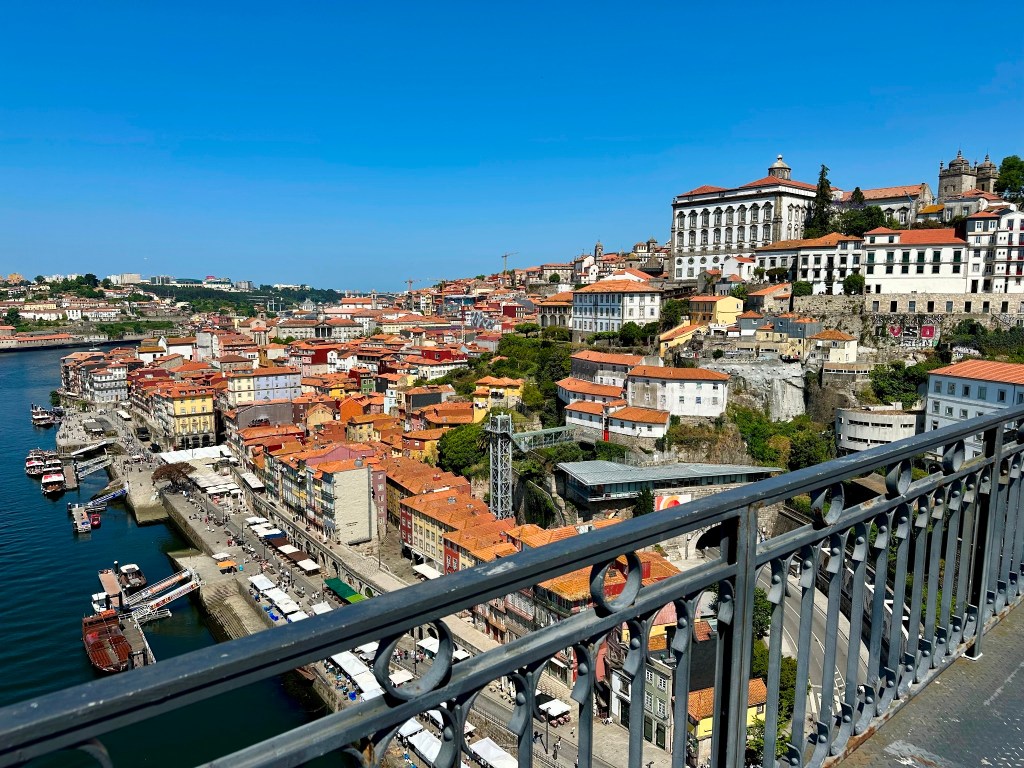
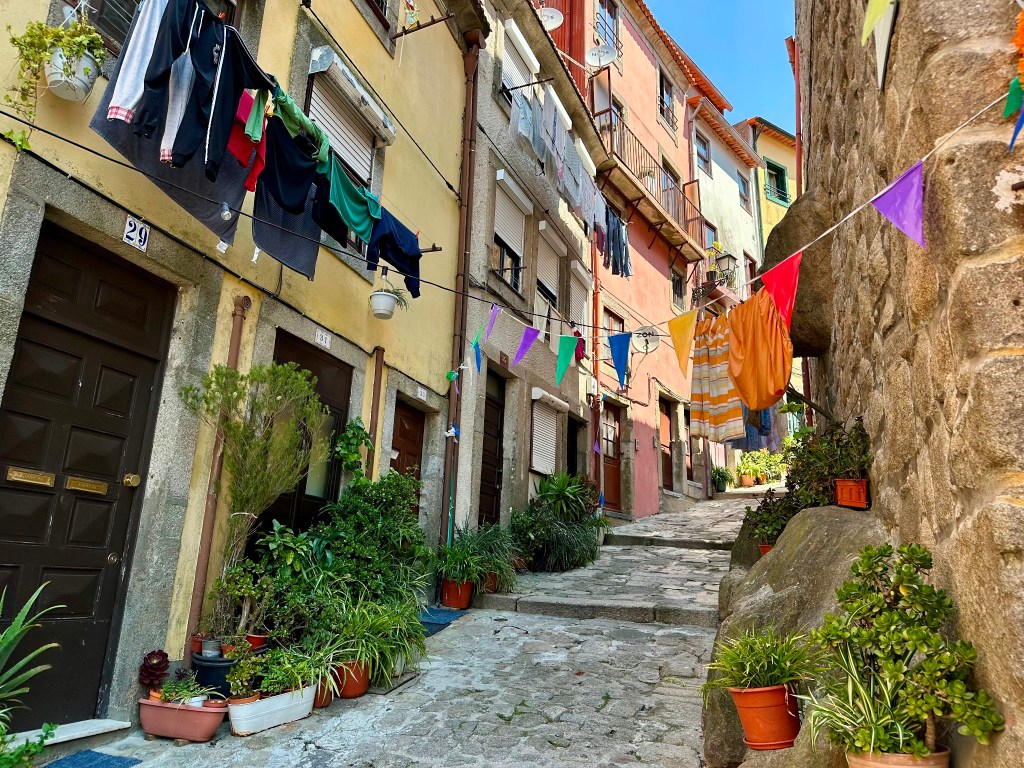
Our final stop was in Porto Portugal. Port wine, one of Portugal’s most famous exports, is named after Porto, since the metropolitan area were responsible for the packaging, transport, and export of fortified wine.


From Porto we took a day trip to Arouca. There we visited the Arouca Monastery followed by a sampling of local pastries that had been sold by the cloistered nuns in the past.

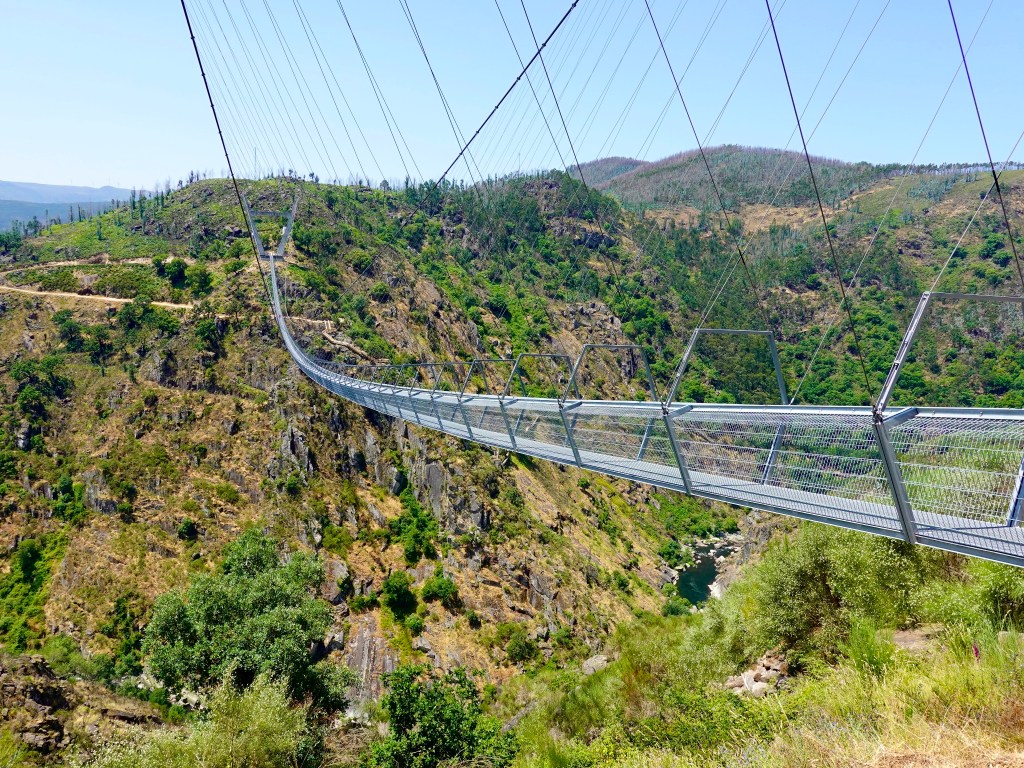
Our next stop was the Arouca 516 Bridge. The “51”6 is because it is 516 meters (1,692’) across. Inaugurated in May 2021, Arouca 516 is one of the world’s longest pedestrian suspension bridges. It was a lot of fun crossing though it was extremely hot that day.


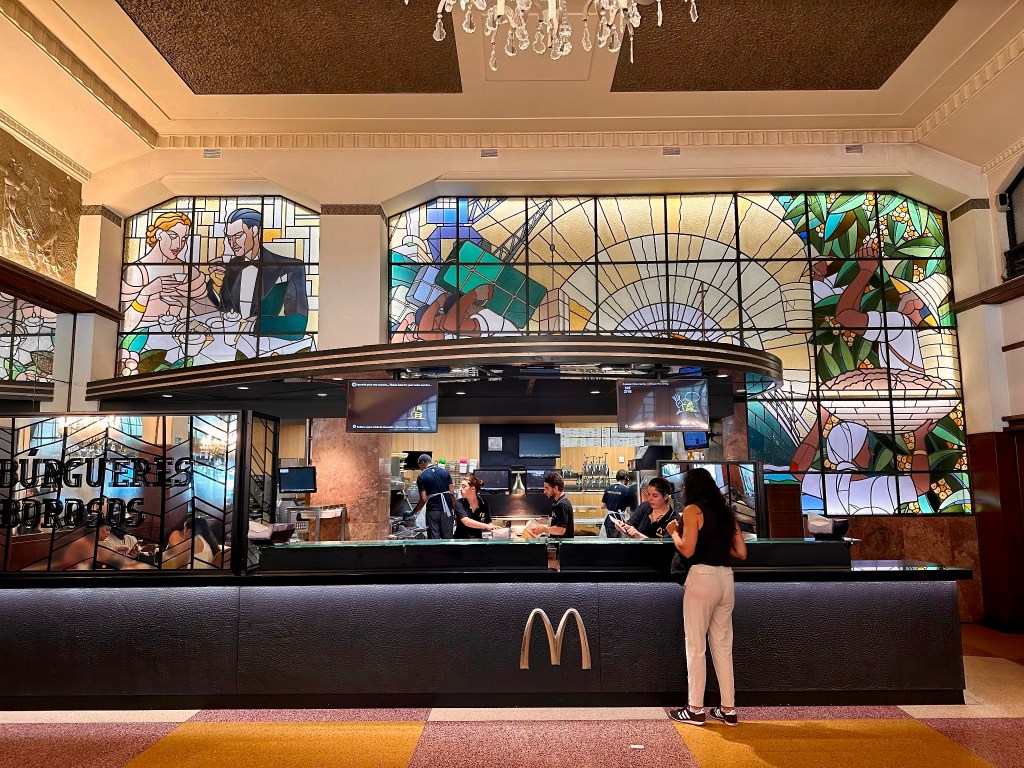
As is my custom, no trip would be complete without a stop at a local McDonald’s. The Imperial McDonald’s in Porto didn’t disappoint. It was built in an old historic building complete with bronze eagle at the entrance, stained glass and chandeliers.

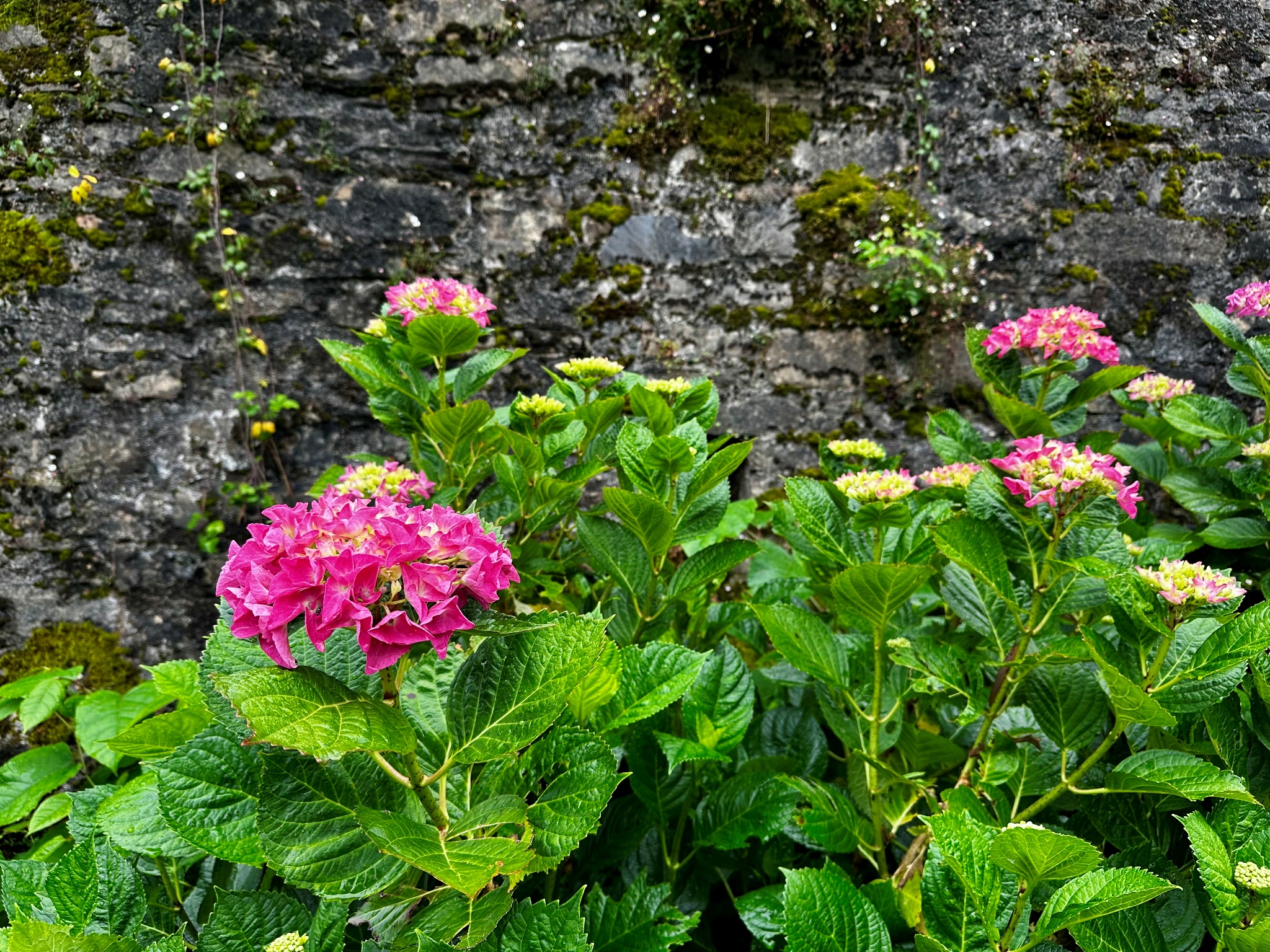
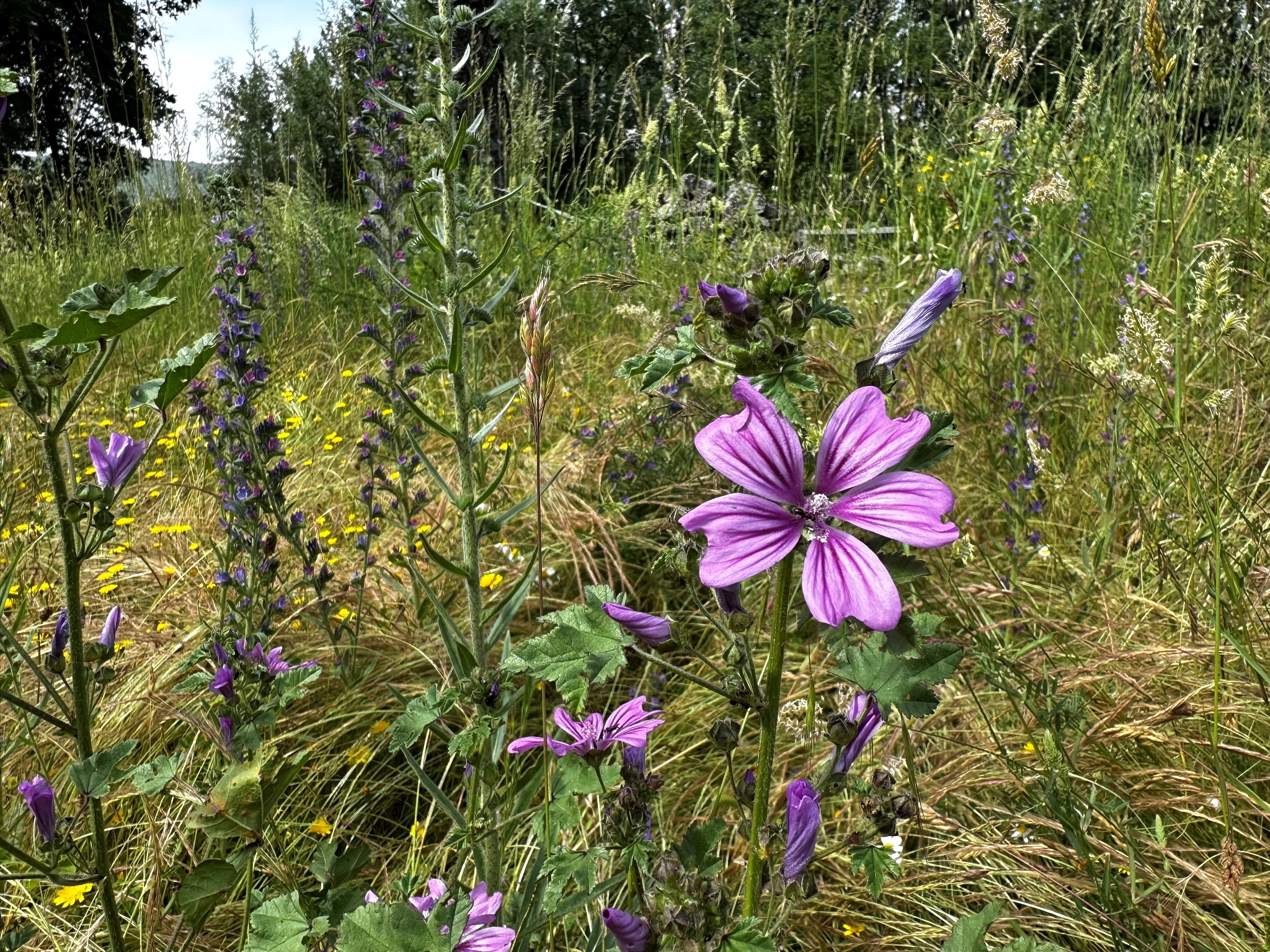
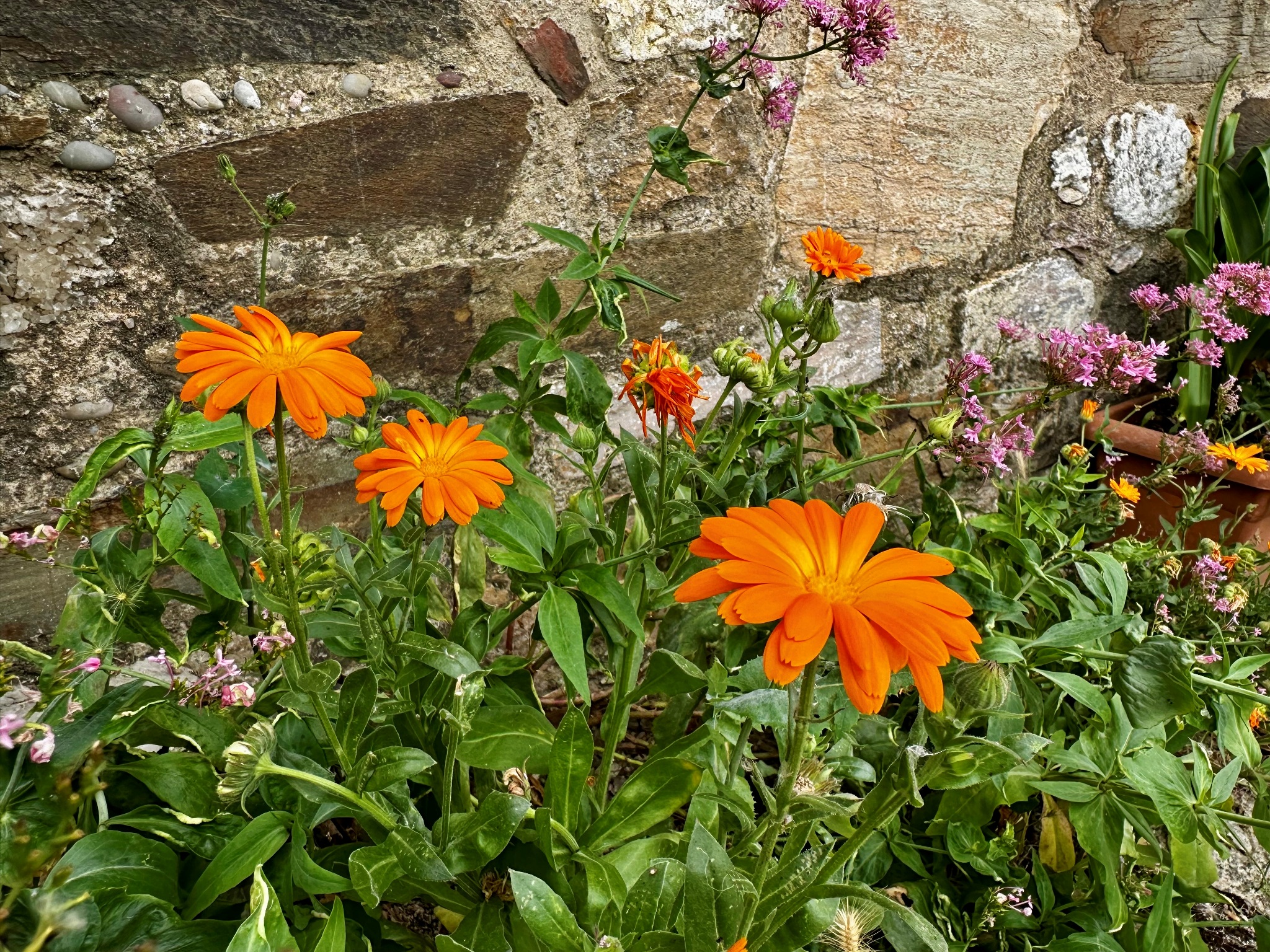
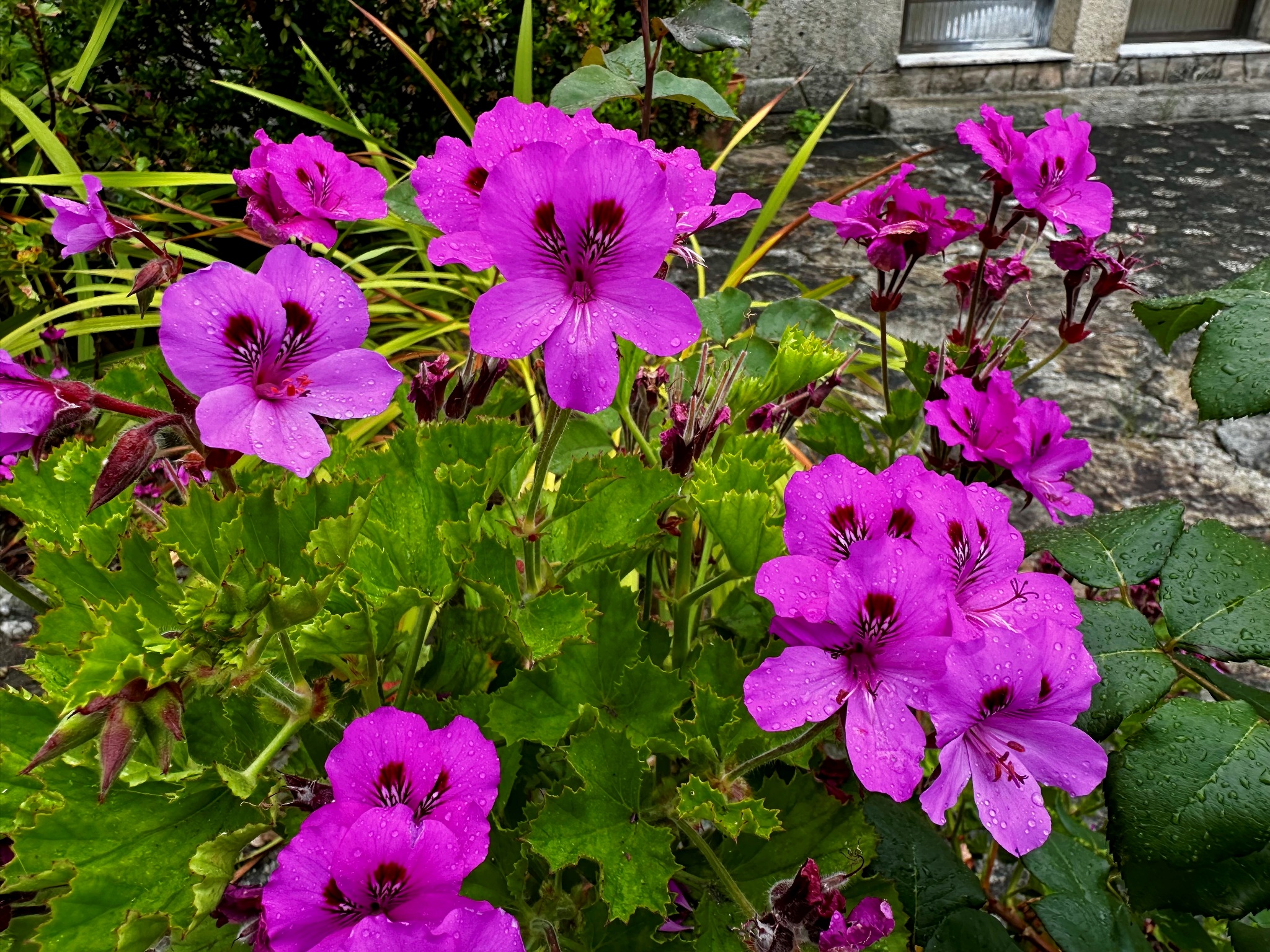
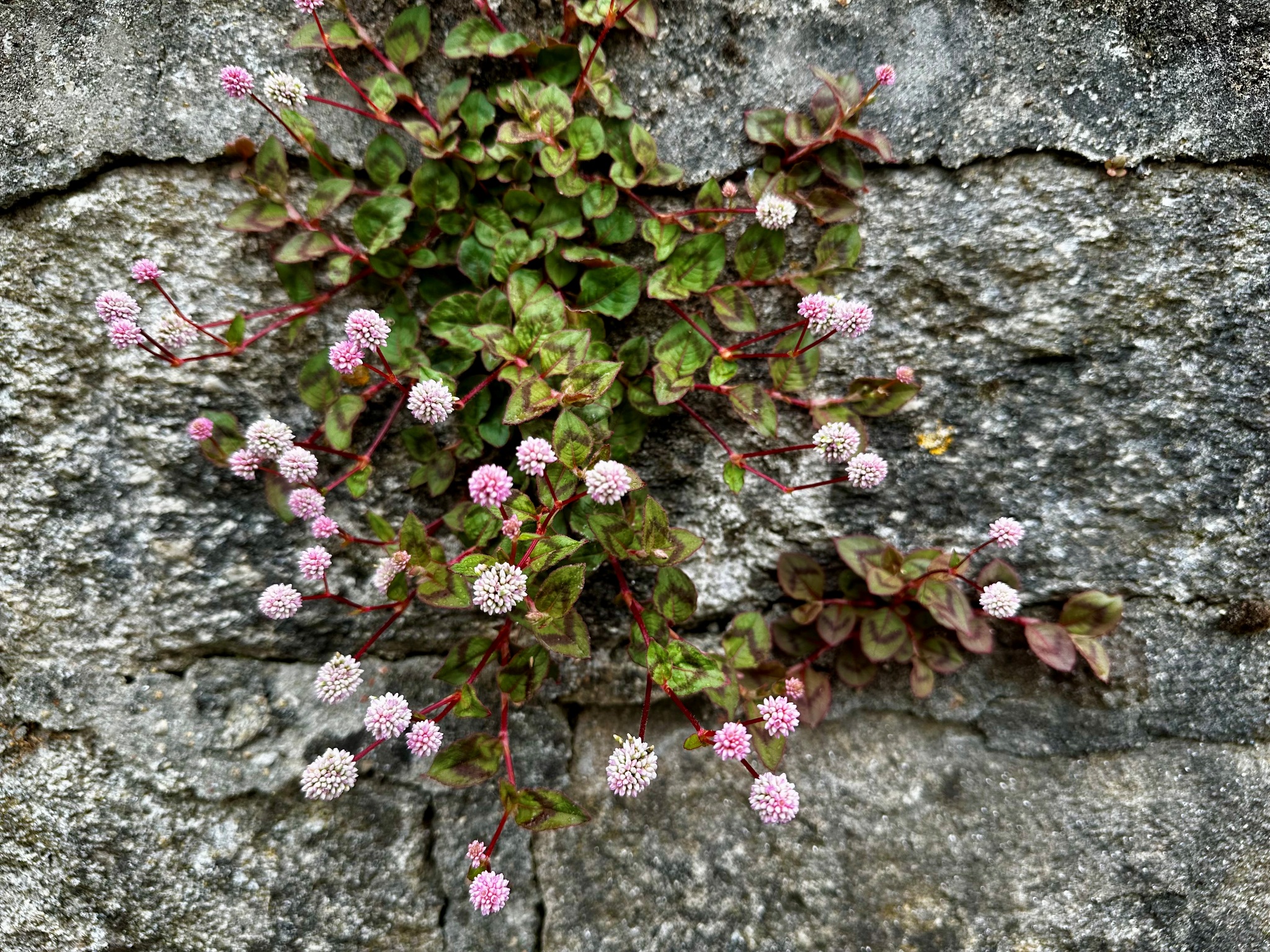
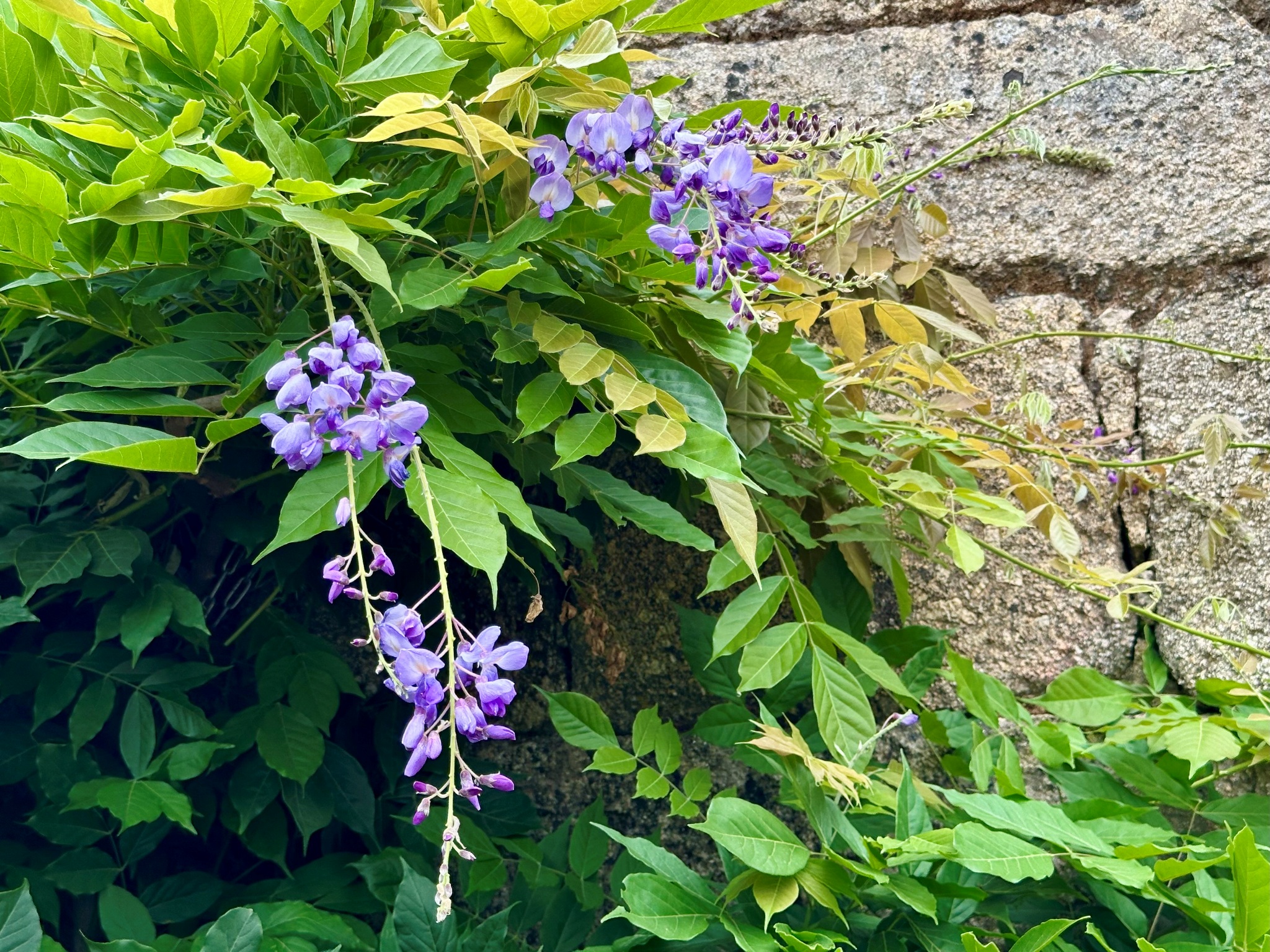
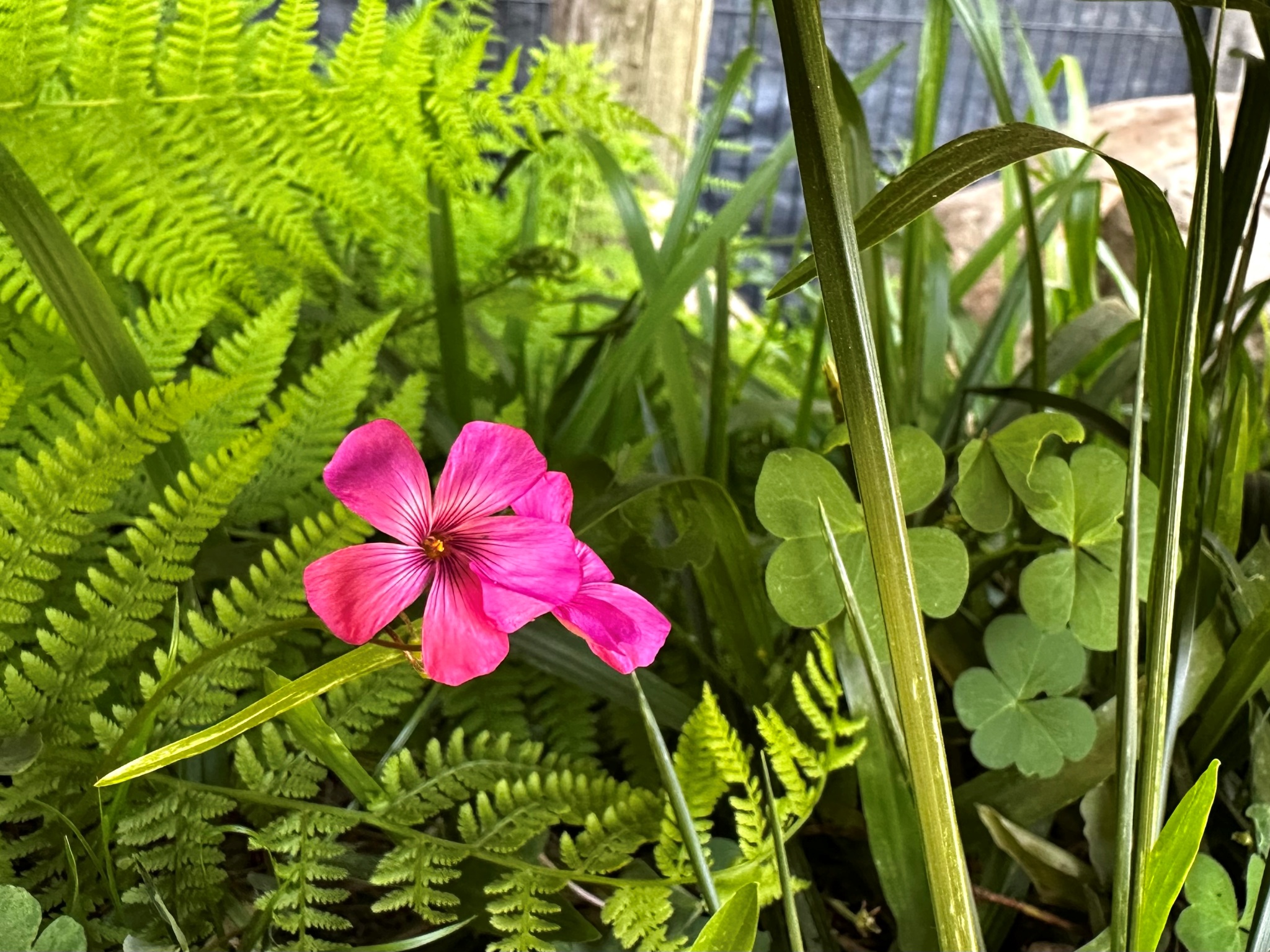
Throughout the trip I loved all the flower I saw. Below is an album with just some of them.








Now, time to start preparing for my next adventure.
Tour Operator: Overseas Adventure Travel
Dates: May 25 – June 18, 2025
 The Adventures of Dave